
Nixxy, Inc. (NASDAQ: NIXX) and Tachyon 9 Corporation announced that their pending strategic combination will advance the $1 billion Nakota Data Campus project in North Dakota. The campus is conceived as a power‑first, climate‑aligned AI infrastructure platform that will deliver up to one gigawatt of artificial‑intelligence compute capacity while simultaneously addressing three systemic pressures that have long plagued hyperscale data‑center development: strain on local electricity grids, high carbon intensity, and intensive freshwater use. By embedding behind‑the‑meter hydrogen‑capable generation, optional pre‑combustion decarbonization, and a closed‑loop liquid‑cooling system that needs only an initial water fill, Nakota aims to turn these challenges into design drivers rather than after‑thought mitigations. The project therefore positions itself at the intersection of AI demand growth, U.S. energy security priorities, and emerging environmental regulations, offering a template for future data‑center siting in regions rich in domestic energy resources.
Nakota Data Campus Announcement
The companies described Nakota as a “power‑first, climate‑aligned AI infrastructure platform” built on roughly 620 acres in the state’s energy corridor. The design incorporates behind‑the‑meter generation with Baker Hughes hydrogen‑capable turbines, optional pre‑combustion decarbonization and a closed‑loop liquid cooling system that requires only an initial water fill. According to the source, the hydrogen‑rich fuel blends will be produced from natural‑gas streams that would otherwise be flared, converting an underutilized energy source into reliable on‑site power. The first 120–150 MW of compute capacity is targeted for operation in the second quarter of 2027, subject to financing, regulatory approvals and completion of the Nixxy‑Tachyon 9 transaction. Long‑term plans call for scaling to a full gigawatt, with the campus expected to qualify under the U.S. Government’s Fourth State Initiative (FSI) Section 45V Clean Hydrogen Qualification—a designation that could unlock additional incentives for clean‑hydrogen projects. Shahal Khan, Chairman of Burkhan World and CEO of Tachyon 9, emphasized that the campus “is being engineered as the answer” to AI infrastructure challenges, highlighting the combination of firm on‑site power, a clear pathway to lower‑carbon operations, and dramatically reduced water consumption. The location leverages North Dakota’s abundant natural‑gas reserves, cooler ambient temperatures, existing transmission infrastructure, and an experienced industrial workforce, all of which are expected to lower operating costs and improve reliability for both the data center and the surrounding energy network.
Relevance to Energy Stakeholders
The Nakota model directly tackles three operational pressures facing utilities and grid operators:
- Grid Load Management – By generating power on‑site with hydrogen‑rich fuel blends derived from otherwise flared natural gas, the campus reduces reliance on external transmission capacity and mitigates peak‑load stress on regional grids. This behind‑the‑meter generation also provides a buffer against grid volatility, offering utilities a more predictable demand profile.
- Carbon‑Neutrality Pathway – The optional pre‑combustion decarbonization and use of low‑carbon hydrogen provide a roadmap toward reduced emissions, aligning with utility sustainability targets and emerging state‑level carbon policies. Because the hydrogen can be produced from domestic natural gas, the campus creates a practical, incremental path to lower‑carbon power without requiring immediate full‑scale renewable integration.
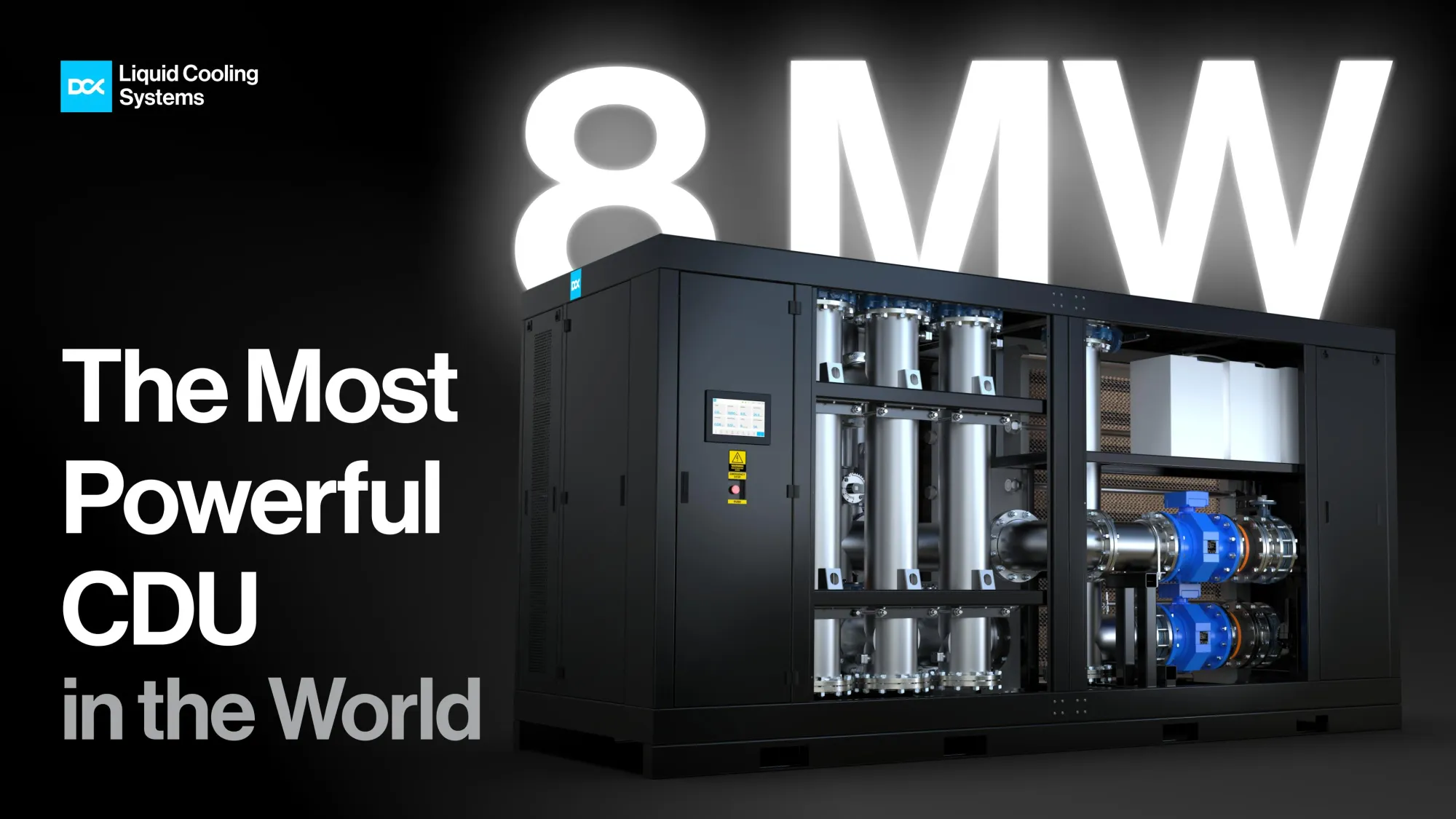
- Water Consumption – The closed‑loop liquid cooling system replaces traditional evaporative cooling, limiting freshwater draw to a one‑time fill and continuously recirculating the fluid. This design eases pressure on local water supplies, helps the project meet increasingly stringent water‑use regulations, and improves cooling efficiency for next‑generation AI workloads.
Together, these features give utilities a concrete example of how to partner with high‑intensity digital infrastructure while preserving grid stability, meeting emissions goals, and complying with water‑conservation mandates. The campus’s siting in an energy corridor further enhances its strategic value, as proximity to existing pipelines and transmission lines simplifies fuel logistics and reduces the need for new infrastructure.
Investment and Supply‑Chain Context
Tachyon 9 will contribute approximately $64 million in equipment, land‑option rights for the Nakota site and a signed letter of intent covering the entire 1 GW development. The partnership creates a NASDAQ‑listed platform focused on hyperscale computing, power generation and next‑generation digital infrastructure. Because the project relies on hydrogen‑capable turbine technology and closed‑loop cooling, it introduces supply‑chain considerations for specialized components such as Baker Hughes turbines, advanced heat‑exchange units, and low‑water cooling hardware. At the same time, these requirements open opportunities for domestic manufacturers to supply critical parts, supporting U.S. industrial capacity and aligning with the national security narrative emphasized by both companies. Financing remains contingent on regulatory clearance and the successful close of the Nixxy‑Tachyon 9 transaction, underscoring the importance of coordinated capital‑deployment strategies for large‑scale, energy‑intensive infrastructure. The anticipated qualification under Section 45V also suggests potential eligibility for federal clean‑hydrogen tax credits, which could further improve the project’s financial outlook and attract additional equity partners.
Key Takeaways
- The Nakota Data Campus targets up to 1 GW of AI compute capacity, with the first 120–150 MW slated for Q2 2027, pending financing and regulatory approvals.
- The design integrates on‑site hydrogen‑rich fuel generation, pre‑combustion decarbonization optionality and a closed‑loop liquid cooling system to reduce grid load, emissions and freshwater use.
- Tachyon 9 is contributing roughly $64 million in equipment, land‑option rights and a LOI for the full development, forming the core asset base of the proposed Nixxy‑Tachyon 9 strategic combination.
EnergyInsyte's Take
Nakota illustrates how AI compute projects can be aligned with grid reliability, carbon‑reduction and water‑conservation goals, offering a template for future data‑center siting in energy‑rich regions. Execution hinges on securing financing, regulatory clearance and the successful merger of Nixxy and Tachyon 9; until those milestones are met, the campus’s operational timeline remains provisional. Energy executives should monitor the project's permitting progress, hydrogen‑fuel supply logistics and the performance of the closed‑loop cooling system as indicators of its scalability and replicability.
Source: Businesswire