Siemens Energy has reported record third-quarter sales, margins, and orders, significantly outperforming analyst forecasts. The company's performance was primarily propelled by surging demand for gas turbines, specifically from expanding AI data centres in the United States and large-scale power plant projects across the Middle East. This growth signals a broader shift in global energy requirements as electrification and digital infrastructure expansion accelerate worldwide.
Record Sales and Profitability Surpass Analyst Forecasts
Siemens Energy achieved third-quarter sales of €11.45 billion, representing an 18.5% increase that exceeded the anticipated €11.22 billion. Profit before special items more than tripled, reaching €1.62 billion, which surpassed the consensus estimate of €1.38 billion. This financial strength was bolstered by a significant upturn in gas service orders. Furthermore, the Siemens Gamesa division achieved a critical milestone by posting its first quarterly operating profit in nearly four years, following strategic cost-cutting measures and improved capacity utilisation. Consequently, the company now expects to reach the upper end of its 10-12% margin target for 2026, reflecting improved operational efficiency and strong market positioning within the evolving energy landscape.
AI Data Centres and Middle East Energy Security
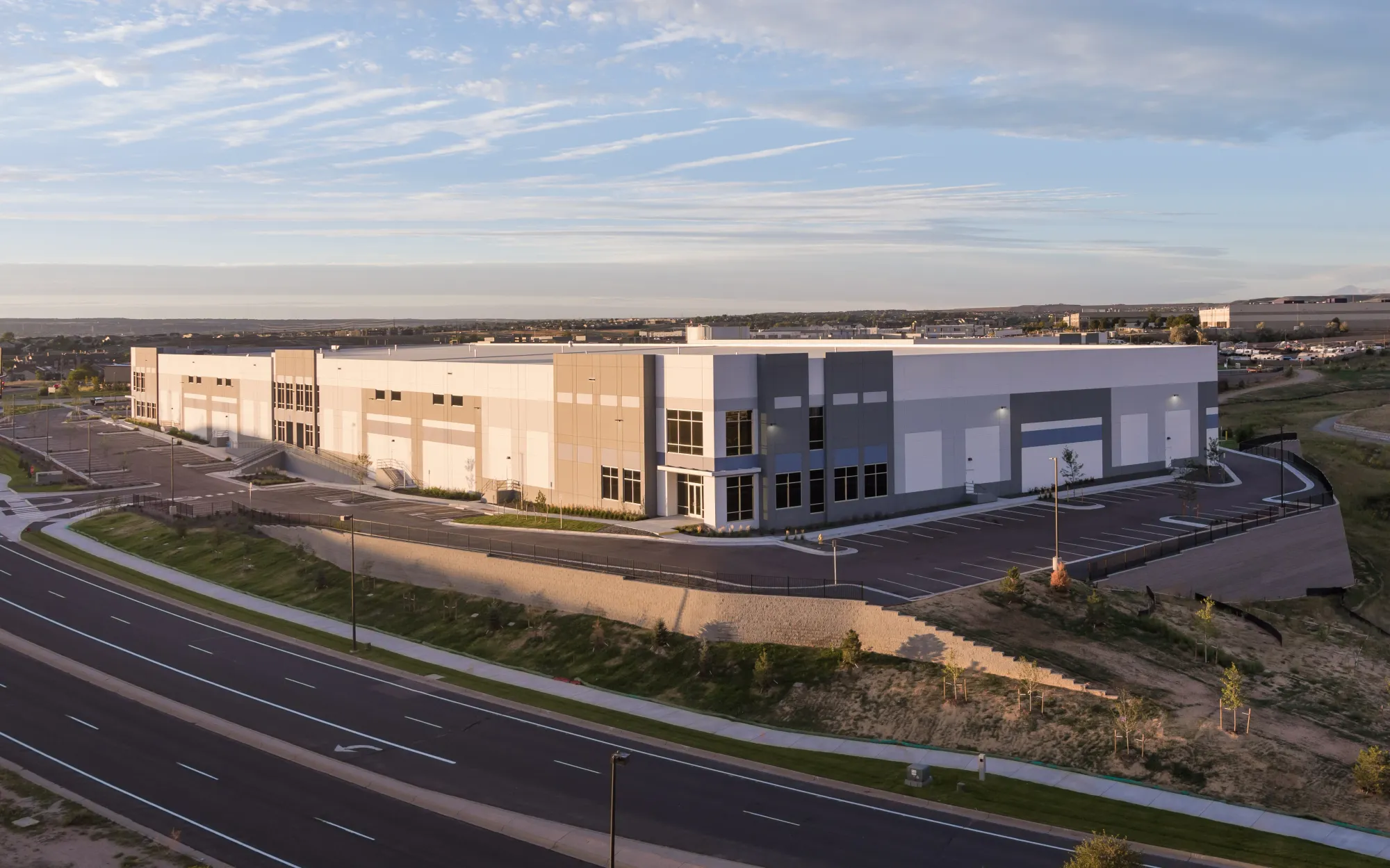
The demand for gas turbines is being driven by two distinct geopolitical and technological trends. Data centre operators and Middle East customers accounted for approximately half of all third-quarter gas turbine orders. In the United States, the rapid expansion of AI infrastructure is necessitating robust power solutions. Simultaneously, in the Middle East, governments are investing in power plant projects to strengthen energy security, a priority heightened by regional conflicts that underscore infrastructure vulnerability. This dual demand, combined with governments utilizing gas to reduce emissions, has led industry executives to describe the current market environment as a "super cycle." This cycle is characterized by a steady rise in the share of electricity within total energy demand.
Key Takeaways
- Third-quarter sales rose 18.5% to €11.45 billion, beating analyst forecasts.
- AI data centres and Middle East projects accounted for roughly 50% of gas turbine orders.
- Siemens Gamesa recorded its first quarterly operating profit in almost four years.
EnergyInsyte's Take
In our view, Siemens Energy’s results confirm that the "super cycle" is no longer theoretical but a tangible driver of capital deployment. The convergence of AI-driven power needs and Middle Eastern energy security requirements creates a high-margin environment for gas turbine and grid equipment providers. This signals that while the energy transition continues, gas remains a critical bridge for high-density load growth. For decision-makers, this underscores the necessity of securing supply chains for power infrastructure to meet the imminent demands of the electrification wave.
Questions & Answers
How is AI infrastructure impacting the energy equipment market?
The expansion of AI data centres in the United States is driving significant demand for gas turbines and grid equipment, as these facilities require massive, reliable power loads to support computational growth.
What role is gas playing in current global energy strategies?
Governments are increasingly turning to gas to cut emissions, which, alongside the electrification wave, is fueling a "super cycle" of demand for power plants and related equipment.
Why is Middle East demand for power equipment increasing?
Middle East governments are seeking to strengthen energy security due to regional conflicts that highlight the vulnerability of existing infrastructure, leading to increased orders for power plant projects.
How has the performance of the Siemens Gamesa division changed?
After acting as a drag on group performance, Siemens Gamesa posted its first quarterly operating profit in nearly four years, aided by higher capacity utilisation and cost-cutting initiatives.
Source: REUTERS