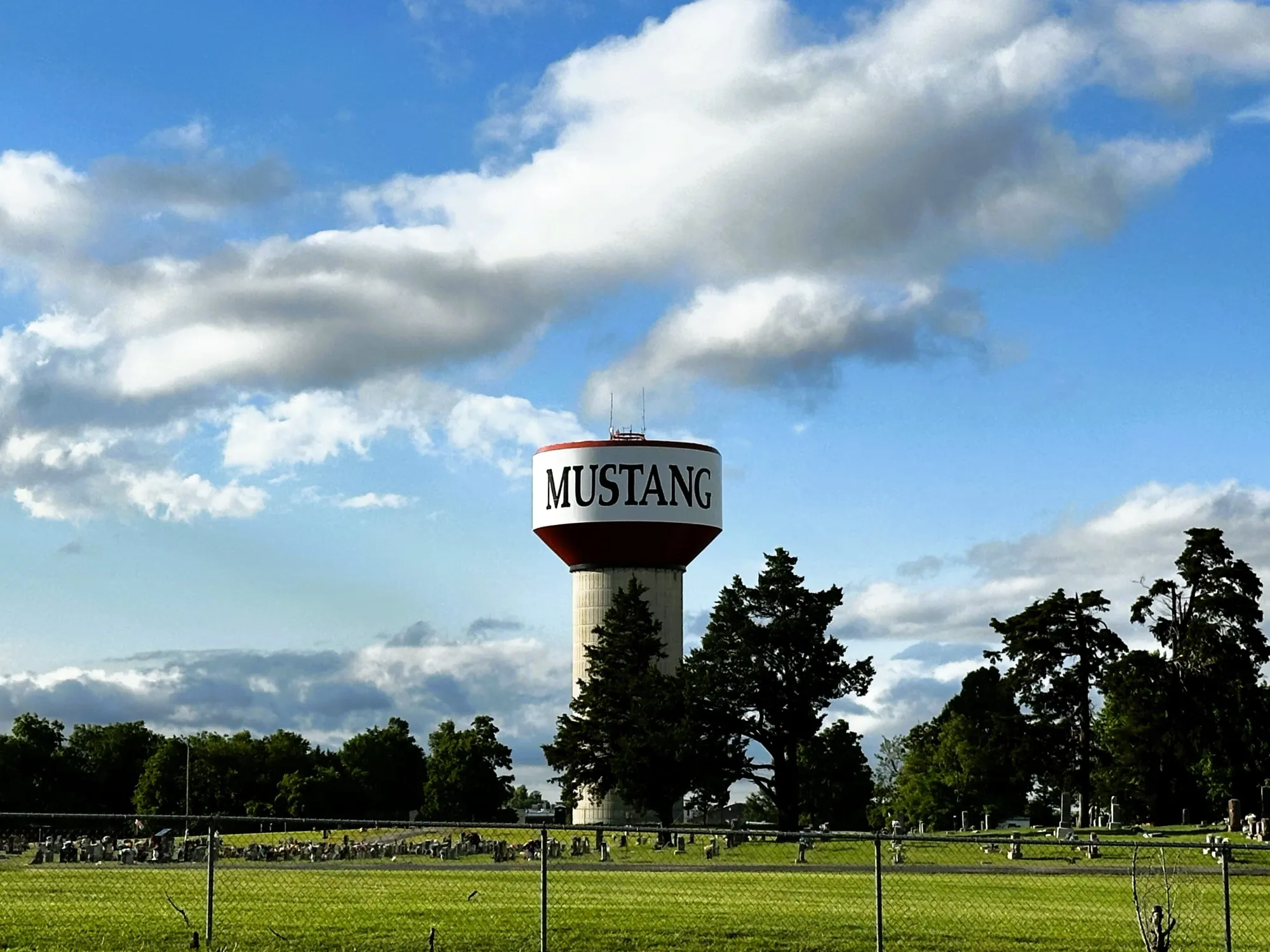
Municipalities are increasingly turning to digital infrastructure to manage resource scarcity and support urban expansion. Ameresco, Inc. (NYSE: AMRC) has finalized a $5.9M Advanced Metering Infrastructure (AMI) project for the City of Mustang, Oklahoma, aimed at modernizing the local water utility's operational capabilities. By replacing more than 8,000 water meters, the company is positioning the city to better manage consumption data and utility reliability. This deployment represents a strategic shift from manual processes to automated, remote monitoring to support the community's long-term growth and resource management requirements.
Mustang Water Meter Modernization and Deployment
The project involved a comprehensive overhaul of the City of Mustang’s existing metering system, moving from legacy hardware to an integrated AMI framework. Ameresco initiated the process with an Investment Grade Audit to evaluate the current system and assess various technology and implementation pathways. This audit was intended to provide the City with a clear view of project viability and long-term costs before capital was committed. Following the evaluation, Ameresco managed the installation and stakeholder coordination, completing the construction phase in five months—effectively half of the original 10-month schedule. The deployment included the installation of over 8,000 new meters, which now allow for automated, remote meter reading across the entire municipal water system. This transition was designed to minimize disruptions to residents and ongoing utility operations during the citywide replacement process.
Operational Implications for Municipal Water Utilities
The implementation of AMI technology provides the City of Mustang with several new layers of operational oversight. The system delivers detailed, timely usage data, which the company says enables City staff to identify unusual consumption patterns and investigate potential leaks more efficiently. Beyond leak detection, the infrastructure streamlines billing, account research, and customer service workflows. For residents, the project introduces a customer portal that provides direct access to individual water consumption information. By digitizing these touchpoints, the City is attempting to build a more resilient utility model capable of handling increased demand. This data-driven approach is intended to provide the operational insight necessary to meet the demands of regional growth. The project highlights how municipal utilities are leveraging smart technology to transition from reactive maintenance to proactive resource management, ensuring that infrastructure can scale alongside the population.
Key Takeaways
- Ameresco completed a $5.9M Advanced Metering Infrastructure (AMI) project for the City of Mustang, Oklahoma.
- The project involved replacing more than 8,000 water meters and was completed in five months, half of the projected 10-month timeline.
- The new system enables automated, remote meter reading and provides residents with a customer portal for consumption data.
EnergyInsyte's Take
In our view, this project underscores the growing necessity for municipal utilities to integrate digital intelligence into basic resource management to ensure long-term solvency and reliability. By investing $5.9M in AMI, Mustang is not just upgrading hardware; it is building a data foundation to mitigate the financial and physical risks associated with water loss and unmanaged growth. The fact that Ameresco completed the installation in half the anticipated time suggests that efficient project execution is becoming a critical differentiator in municipal infrastructure contracts. This signals that successful utility modernization requires a shift toward integrated, data-centric models that prioritize both operational visibility and consumer transparency.
Questions & Answers
How does the new AMI system impact municipal leak detection?
The system provides detailed and timely usage data, which allows City staff to identify unusual consumption patterns and investigate potential leaks more effectively than previous methods.
What was the financial and temporal scale of the Mustang project?
The project cost $5.9M and involved the replacement of more than 8,000 water meters. While originally scheduled for 10 months, construction was completed in five months.
What specific operational efficiencies does the AMI deployment offer the City?
The deployment enables automated, remote meter reading, streamlines billing and account research, and improves customer service processes through enhanced data accessibility.
How does the project support the City of Mustang's long-term growth?
The company states that the project establishes the operational insight and reliability required to meet the demands of growth by modernizing the water system's infrastructure and management capabilities.
Source: Ameresco