
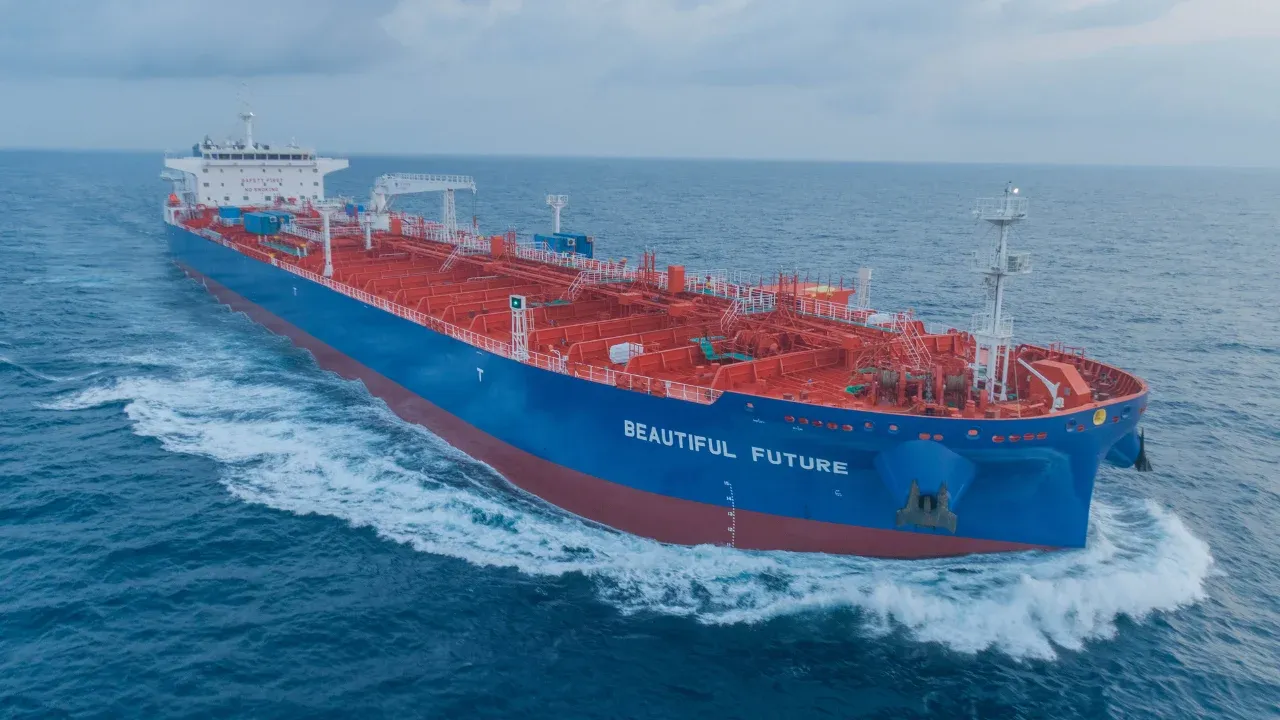
Braskem, the largest polyolefins producer in the Americas, has officially named two next-generation chemical and product oil tankers, marking a strategic shift in its logistics infrastructure. The vessels, Beautiful Future and Blooming Future, are Long Range 1 (LR1) tankers designed to transport naphtha—a critical feedstock for plastics and chemicals—between the U.S. Gulf Coast and Brazil. This fleet expansion reflects a broader industrial trend where commodity producers are integrating advanced maritime technology to mitigate supply chain emissions and improve operational margins.
Technical Specifications and Operational Efficiency
The new LR1 vessels are engineered to address the specific logistical demands of long-haul petrochemical trade. On a standard 5,500-nautical-mile voyage from the U.S. Gulf to Brazil, these tankers utilize optimized hull designs and advanced engine technology to reduce fuel consumption. According to Braskem, each vessel is expected to emit approximately 30% less CO2 than the average tankers currently utilized in the company’s operations.
This reduction translates to an estimated 6,500 tonnes of CO2 emissions saved per year per vessel. By operating at optimized speeds and utilizing modern emissions-control systems, the ships exceed current maritime regulatory requirements. For industrial buyers and grid operators monitoring the carbon intensity of raw materials, such infrastructure upgrades provide a measurable reduction in Scope 3 emissions within the chemical value chain.
Strategic Financing and Fleet Management
The deployment of these vessels involves a complex partnership structure typical of modern maritime capital deployment. The tankers were financed by Ocean Yield, a major player in ship leasing, and will be operated by third-party managers—ISHIMA for Beautiful Future and TB Marine for Blooming Future—under the direct supervision of Braskem Trading & Shipping (BT&S).
This model allows Braskem to modernize its logistics capabilities without the full capital intensity of direct ownership, while maintaining operational control over its primary supply route. The focus on naphtha transport is particularly significant; as a primary building block for medical supplies, packaging, and automotive components, the reliability and cost-efficiency of naphtha delivery directly impact downstream manufacturing stability in South America.
Implications for Global Supply Chains
The introduction of these tankers is the first phase of a larger fleet modernization program. Braskem has confirmed that two additional ships are currently under construction, with deliveries scheduled for late 2026 and early 2027. This multi-year investment suggests that the company views high-efficiency maritime transport as a long-term competitive necessity rather than a temporary pilot project.
For energy executives and infrastructure investors, Braskem’s move highlights the increasing pressure on the "middle" of the supply chain. While much attention is paid to green hydrogen or bio-based feedstocks, the immediate decarbonization of the petrochemical sector relies heavily on incremental but significant efficiency gains in midstream transport and logistics.
Key Takeaways
- Fleet Expansion: Braskem has introduced two LR1 tankers, Beautiful Future and Blooming Future, specifically for the U.S. Gulf Coast-to-Brazil naphtha route.
- Emissions Reduction: The vessels are projected to reduce CO2 emissions by 30% compared to Braskem’s current average fleet, saving roughly 13,000 tonnes of CO2 annually across both ships.
- Strategic Partnerships: The project utilizes a lease-and-operate model involving Ocean Yield (financing) and ISHIMA/TB Marine (operations), showcasing a collaborative approach to infrastructure modernization.
EnergyInsyte's Take
Braskem’s investment in high-efficiency LR1 tankers demonstrates a pragmatic approach to industrial decarbonization. By focusing on the efficiency of naphtha transport—a staple of the current petrochemical economy—the company is addressing immediate operational costs and regulatory pressures. As more vessels join the fleet through 2027, the industry should watch for similar moves by other heavy industrial players seeking to de-risk their logistics chains against rising carbon costs and volatile fuel prices.
Source: Businesswire