Clean Energy Fuels Corp. is leveraging federal tax incentives to accelerate capital liquidity within its renewable natural gas (RNG) segment. The company recently completed a $30.7 million sale of federal tax credits derived from seven of its RNG production facilities. This transaction marks the fourth time the company has successfully monetized credits from its existing RNG project portfolio.
South Fork Dairy Drives $26M ITC Sale
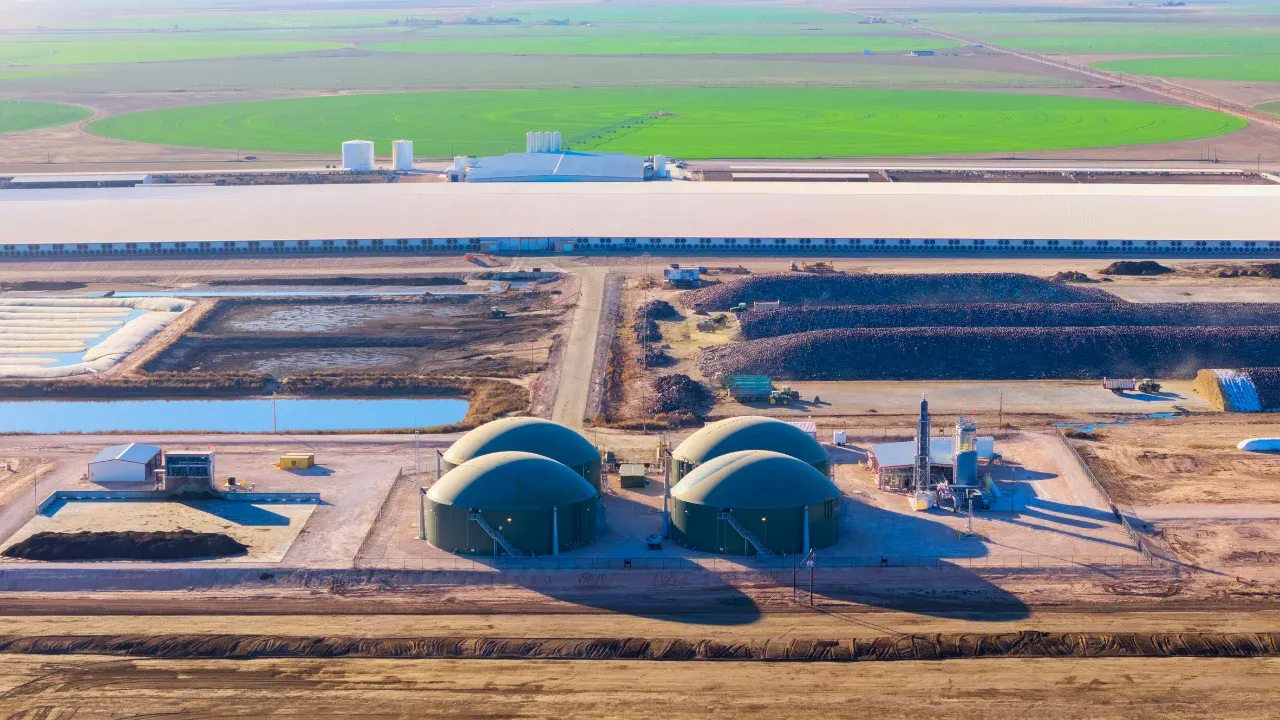
The transaction is heavily anchored by a $26 million investment tax credit (ITC) linked to the South Fork Dairy facility located in Dimmit, Texas. This specific project, which began producing RNG in 2025, represents the largest ITC sale in the company's history to date. Beyond this single asset, the deal encompasses all 2025 Section 45Z clean fuel production credits generated across a broader portfolio of dairy-based RNG projects. These assets are distributed across Texas, South Dakota, Iowa, and Minnesota, including specific projects managed through Clean Energy’s joint ventures with energy majors bp and TotalEnergies.
Portfolio Carbon Intensity and Production Scale
The credits sold in this transaction are tied to the environmental performance of Clean Energy's dairy RNG assets. In 2025, these seven facilities collectively produced 2.7 million gallons of negative carbon-intensity RNG intended for transportation fleet use. By selling these credits, the company is positioning itself to capture the immediate financial value of the environmental benefits produced by its infrastructure. Will Flanagan, Vice President of Strategic Development at Clean Energy, stated that the successful monetization of the full portfolio reflects the increasing demand for the environmental benefits these RNG projects deliver to the market.
Key Takeaways
- Clean Energy completed a $30.7 million sale of federal tax credits from seven RNG facilities.
- The South Fork Dairy facility in Dimmit, Texas, provided the largest portion of the deal via a $26 million ITC.
- The credit-generating portfolio produced 2.7 million gallons of negative carbon-intensity RNG in 2025.
EnergyInsyte's Take
In our view, this transaction demonstrates how RNG developers are increasingly using tax credit monetization as a core financial tool to manage liquidity. By offloading $30.7 million in credits, Clean Energy is effectively de-risking its capital intensive dairy projects. The involvement of joint venture partners like bp and TotalEnergies suggests that large-scale RNG infrastructure is becoming a standardized asset class for major energy players seeking to capture high-value environmental credits.
Questions & Answers
How does the South Fork Dairy project impact Clean Energy's financial strategy?
The South Fork Dairy facility in Dimmit, Texas, acted as the primary driver for this transaction, contributing a $26 million investment tax credit (ITC). This represents the company's largest ITC sale to date, signaling a strategy of using specific high-value assets to secure significant liquidity.
Which regulatory frameworks are supporting these RNG transactions?
The sale relies on two specific federal mechanisms: the Investment Tax Credit (ITC) tied to capital assets like South Fork Dairy, and the Section 45Z clean fuel production credits, which reward the actual output of clean fuels.
What is the scale of the RNG production involved in this credit sale?
The seven facilities included in the transaction produced a total of 2.7 million gallons of negative carbon-intensity RNG during 2025, which is the volume used to justify the value of the credits sold.
Does Clean Energy operate these facilities independently?
While Clean Energy operates a vast network, the transaction included credits from projects held through joint ventures with bp and TotalEnergies, indicating a collaborative approach to large-scale RNG infrastructure development.
Source: Clean Energy