
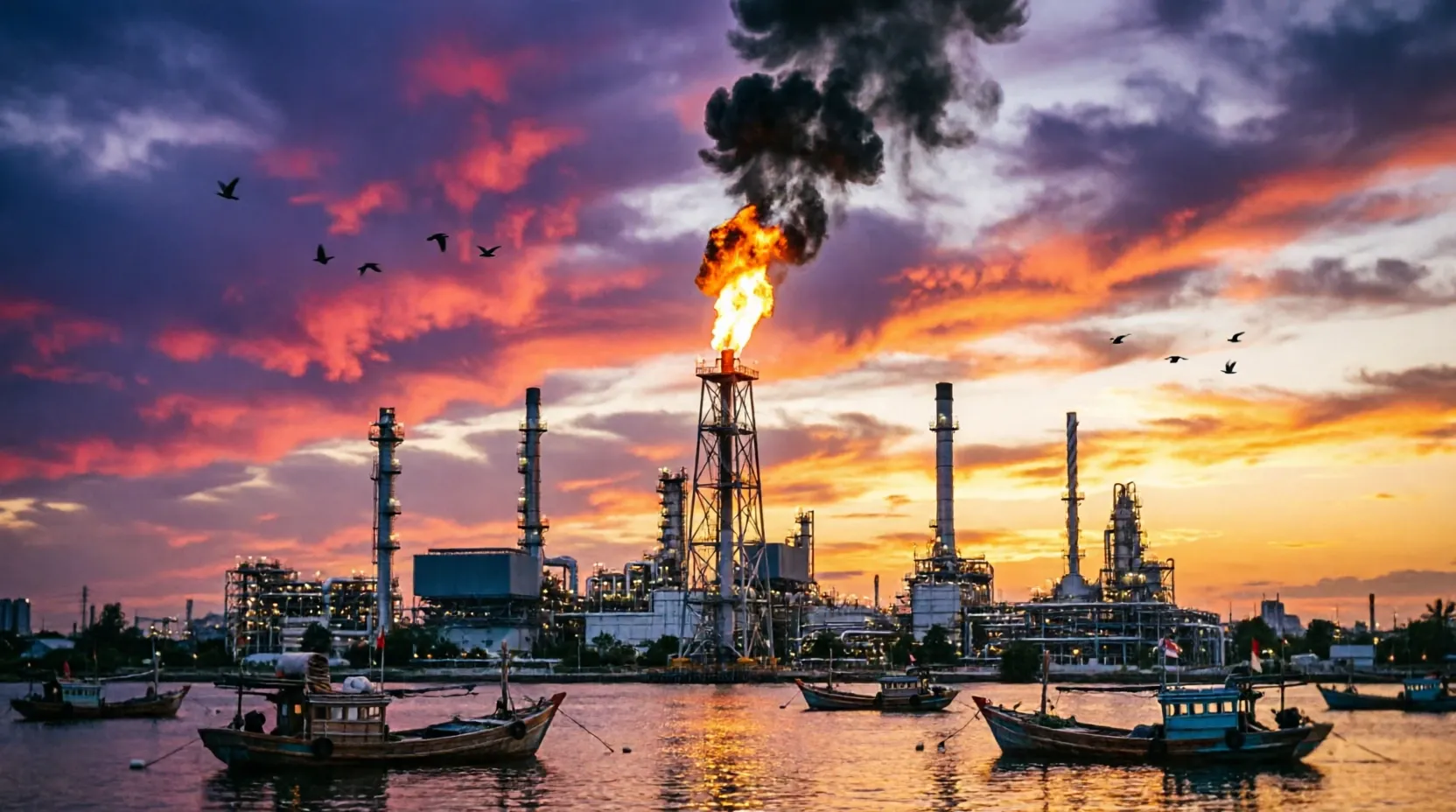
Global energy infrastructure faces dual pressures from deteriorating legacy assets and incomplete supply chains. Recent reports highlight the severe decay of Venezuela's refining capacity alongside the United States' struggle to decouple its critical mineral dependencies from China. These developments signal significant risks for global energy reliability and the execution of domestic industrial strategies for B2B energy stakeholders.
Venezuelan Refining Decay and Infrastructure Neglect
Venezuela's refining industry, which was previously ranked among the largest and most efficient globally, has entered a state of severe decline. Current reports describe the infrastructure as rusty and damaged, citing years of systemic neglect as the primary driver of the deterioration. This long-term decay was further exacerbated by a devastating earthquake, which caused additional damage to the facilities. For grid operators and industrial buyers, the collapse of such a significant refining hub underscores the volatility of regional energy supplies and the high cost of deferred maintenance in critical energy infrastructure. The company did not disclose further details regarding specific repair timelines or the total volume of lost refining capacity in the announcement.
U.S. Critical Mineral Supply Chain Tensions
The United States government is actively pursuing a strategy to halt the purchase of Chinese critical minerals to secure its energy future. However, a Reuters exclusive reveals a significant tension between this policy goal and the current operational reality. The domestic supply chain remains far from being able to meet the country's needs, creating a gap between geopolitical ambitions and industrial capability. This shortfall is particularly critical as the energy transition requires stable access to these minerals for infrastructure deployment. Simultaneously, the AI buildout is creating a memory supply shortage, which is driving up the prices of consumer electronics, further complicating the broader technological supply chain landscape.
Key Takeaways
- Venezuela's once-leading refineries are now rusty and damaged due to years of neglect and a devastating earthquake.
- The U.S. domestic supply chain cannot currently meet national needs while attempting to stop purchases of Chinese critical minerals.
- AI infrastructure buildouts are causing a memory supply shortage that is increasing the cost of consumer electronics.
EnergyInsyte's Take
In our view, these reports highlight a dangerous misalignment between policy goals and physical reality. The U.S. attempt to decouple from Chinese minerals without a mature domestic alternative creates a precarious vulnerability for energy developers. Meanwhile, the collapse of Venezuelan refining serves as a stark warning on the risks of infrastructure neglect. This signals that capital deployment must prioritize the actual execution of supply chains and the maintenance of existing assets over optimistic policy targets to ensure long-term grid and energy reliability.
Source: REUTERS