


Welcome to the EnergyInsyte weekly breakdown of the energy sector news that actually matters. This week, we are looking past minor policy tweaks and focusing on the physical realities of the global energy transition.
From a historic milestone in nuclear energy to the growing crisis of renewable storage, the gap between energy generation and infrastructure capacity has never been wider. Here are the three biggest stories you need to understand this week, and what they mean for the future of power.
1. The First Commercial SMR (Small Modular Reactor) Goes Live in North America
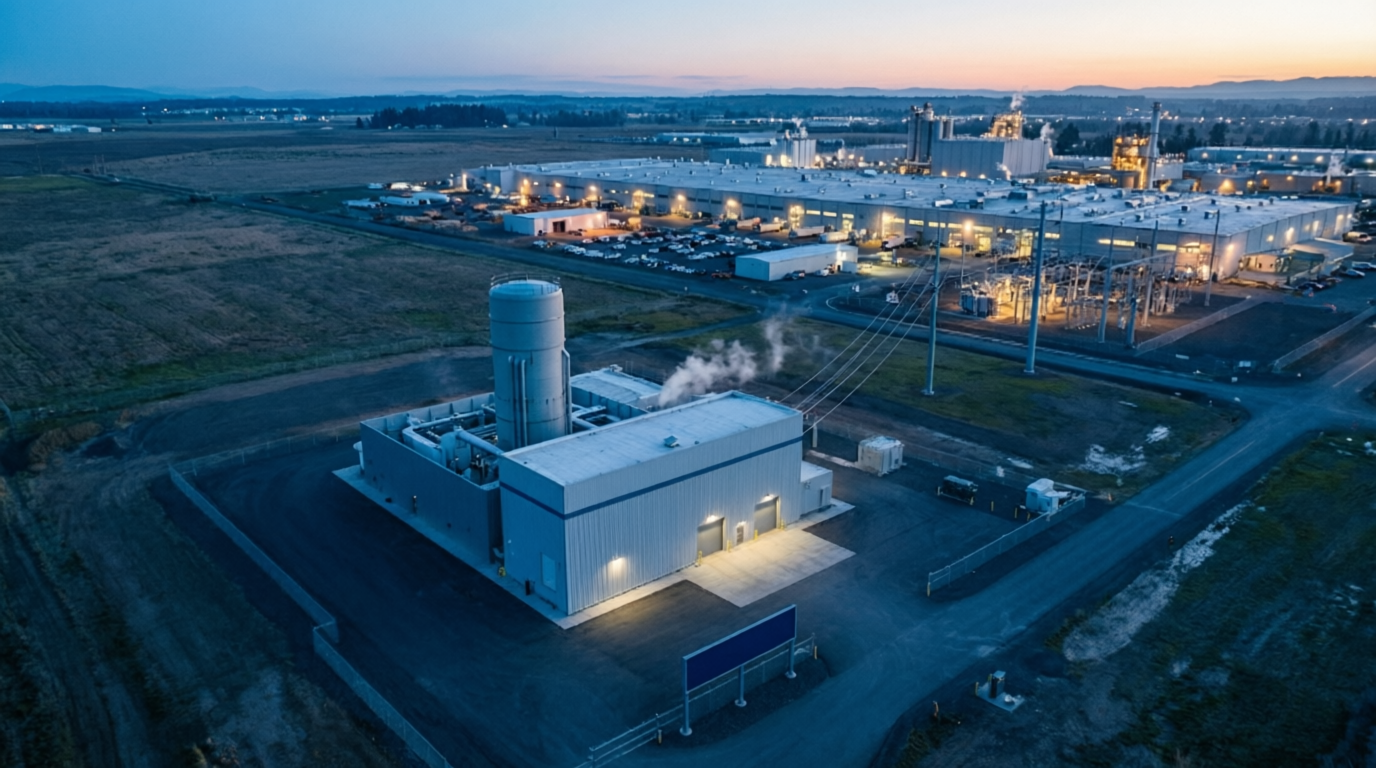
The News: After years of regulatory hurdles and budget overruns, the first commercial Small Modular Reactor (SMR) officially connected to the grid in North America this week. Developed by a consortium of private nuclear startups and government backers, the 77-megawatt module is now providing baseload power to a dedicated industrial hub, with plans to daisy-chain five more units on the same site by 2028.
The Analytical Perspective (The "So What?"):
For a decade, SMRs have been the energy industry's "fusion"—always promised for tomorrow. This week proves they are finally a reality for today. As tech giants demand massive amounts of 24/7 clean energy to power AI data centers, traditional renewables like wind and solar simply cannot provide the necessary baseload reliability without massive battery breakthroughs.
This successful deployment serves as a proof-of-concept for the "micro-grid" industrial model. It signals to heavy industry and tech hyperscalers that they no longer need to rely on the aging national grid; they can essentially buy their own pocket-sized nuclear plant.
Key Takeaway: The nuclear renaissance is officially here. Energy investors and grid operators must now factor in decentralized, localized nuclear power into their long-term capacity forecasts. Expect a massive influx of capital into nuclear supply chains and uranium markets in the coming months.
2. Solar Curtailment Hits Record Highs: The Storage Crisis Accelerates
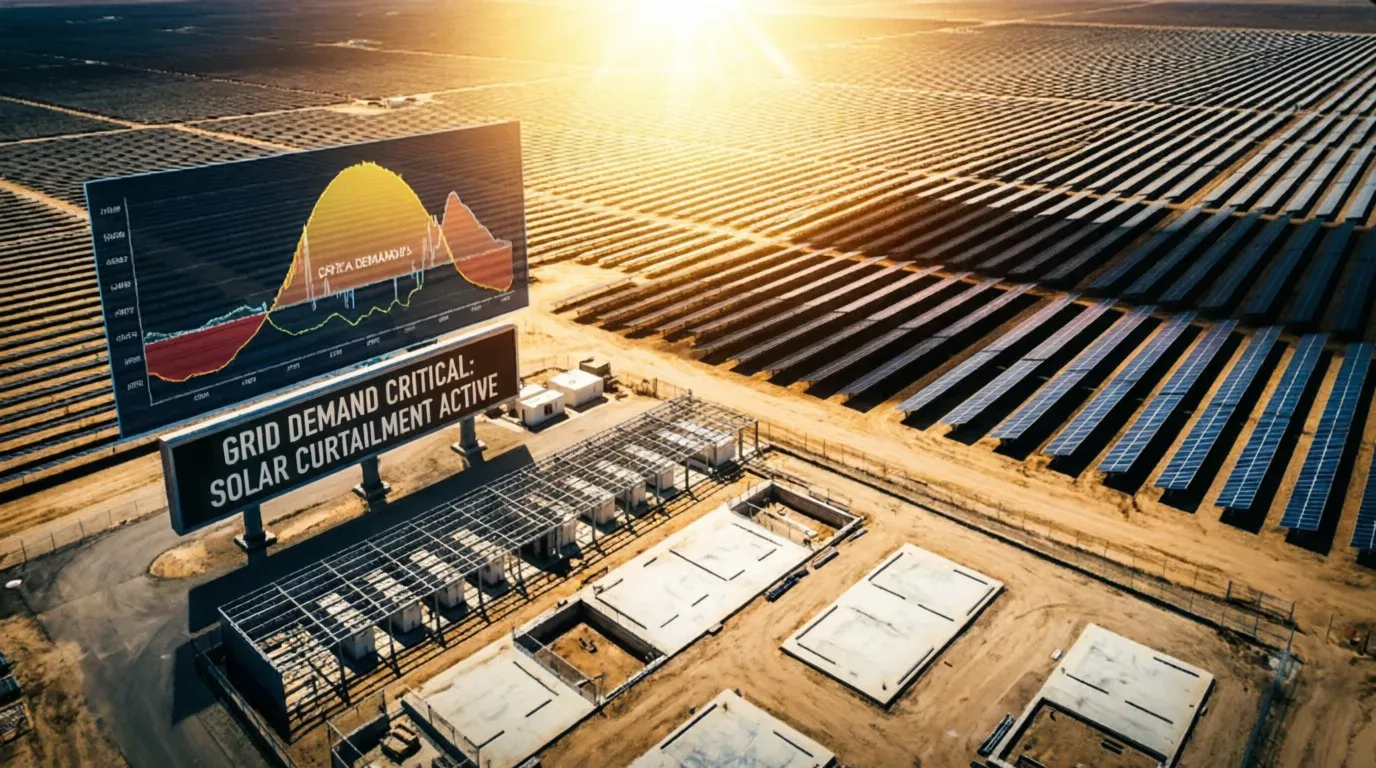
The News: Grid operators in California, Texas, and parts of Europe released data this week showing record levels of "curtailment"—the purposeful shutting down of solar generation because there is too much electricity on the grid. In some regions, up to 30% of peak afternoon solar generation had to be thrown away to prevent grid overload.
The Analytical Perspective (The "So What?"):
We have successfully solved the problem of generating cheap renewable energy, but we have drastically failed to build the infrastructure to move it or store it. The "duck curve" has become a sheer cliff.
This data highlights a massive misallocation of capital in the energy transition. Continuing to subsidize and build massive solar farms in saturated markets without equally funding utility-scale battery storage (BESS) or high-voltage transmission lines is now economically irrational. The value of power generated at 2:00 PM is crashing to zero, while the value of power dispatched at 7:00 PM is skyrocketing.
Key Takeaway: Stop looking at generation capacity and start looking at storage and transmission. The most profitable energy companies over the next five years will not be those that generate the most electrons, but those that can store them and deliver them when the sun goes down.
3. The End of the "Green Free Trade" Era

The News: The European Union and the United States coordinated this week to announce a sweeping new framework of tariffs on imported green technology, primarily targeting Chinese-manufactured solar panels, wind turbine components, and high-capacity battery cells. The move is designed to force "onshoring" of critical energy transition supply chains.
The Analytical Perspective (The "So What?"):
The energy transition was largely built on the back of hyper-cheap, heavily subsidized overseas manufacturing. That era is over. Western governments have realized that trading reliance on foreign oil for reliance on foreign battery minerals and solar cells is a national security risk.
While this is a win for domestic manufacturers in the US and EU, it presents a massive headwind for the pace of the energy transition. Project developers are now facing supply chain crunches and significantly higher CapEx costs for new wind and solar projects.
Key Takeaway: Energy project developers need to urgently recalculate their financial models. If your renewable energy project relies on pre-2025 cost assumptions for hardware, your margins are about to be wiped out. Secure domestic supply chains immediately.
