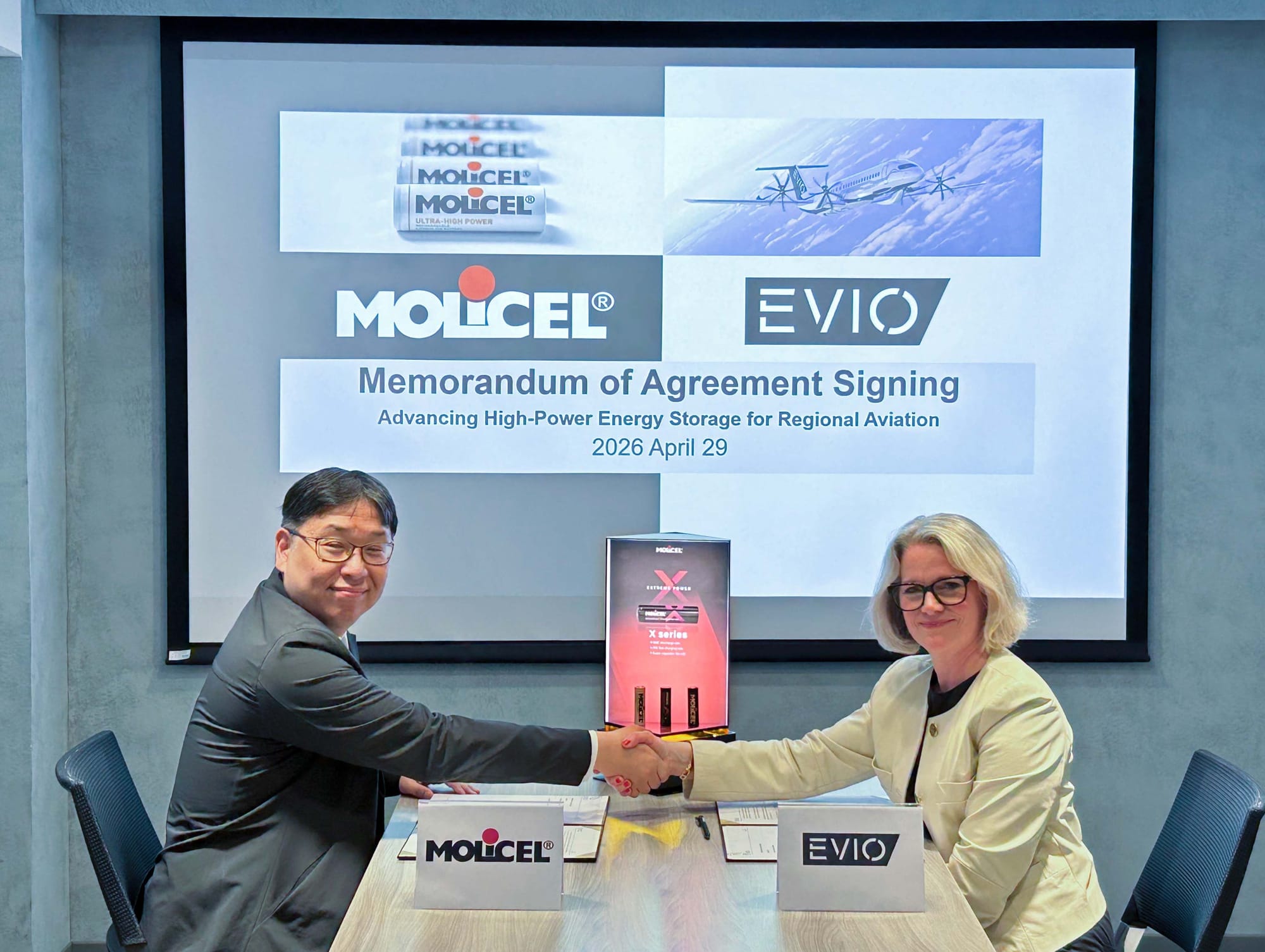
EVIO announced a Memorandum of Agreement with battery maker Molicel to co‑develop high‑energy‑density lithium‑ion cells for the EVIO 810 hybrid‑electric regional aircraft. The partnership targets the performance, safety and certification milestones required for aerospace applications, a development step that could influence the aircraft’s timeline and its pending airline orders.
The Update
The MOA formalizes technical collaboration between EVIO and Molicel, focusing on cell performance validation and integration for the EVIO 810. CEO Michael Derman said the agreement provides “a structured path to generate the data we need to mature an aircraft‑ready energy storage solution.” Molicel President Casey Shiue highlighted the company’s high‑power cell technology, designed for the intense discharge and recharge cycles of hybrid‑electric flight. The two firms plan to collect Energy Storage System (ESS)‑level data in the second half of 2026, specifically for a Part 25 aircraft operating under an all‑electric concept of operations.
Infrastructure Context
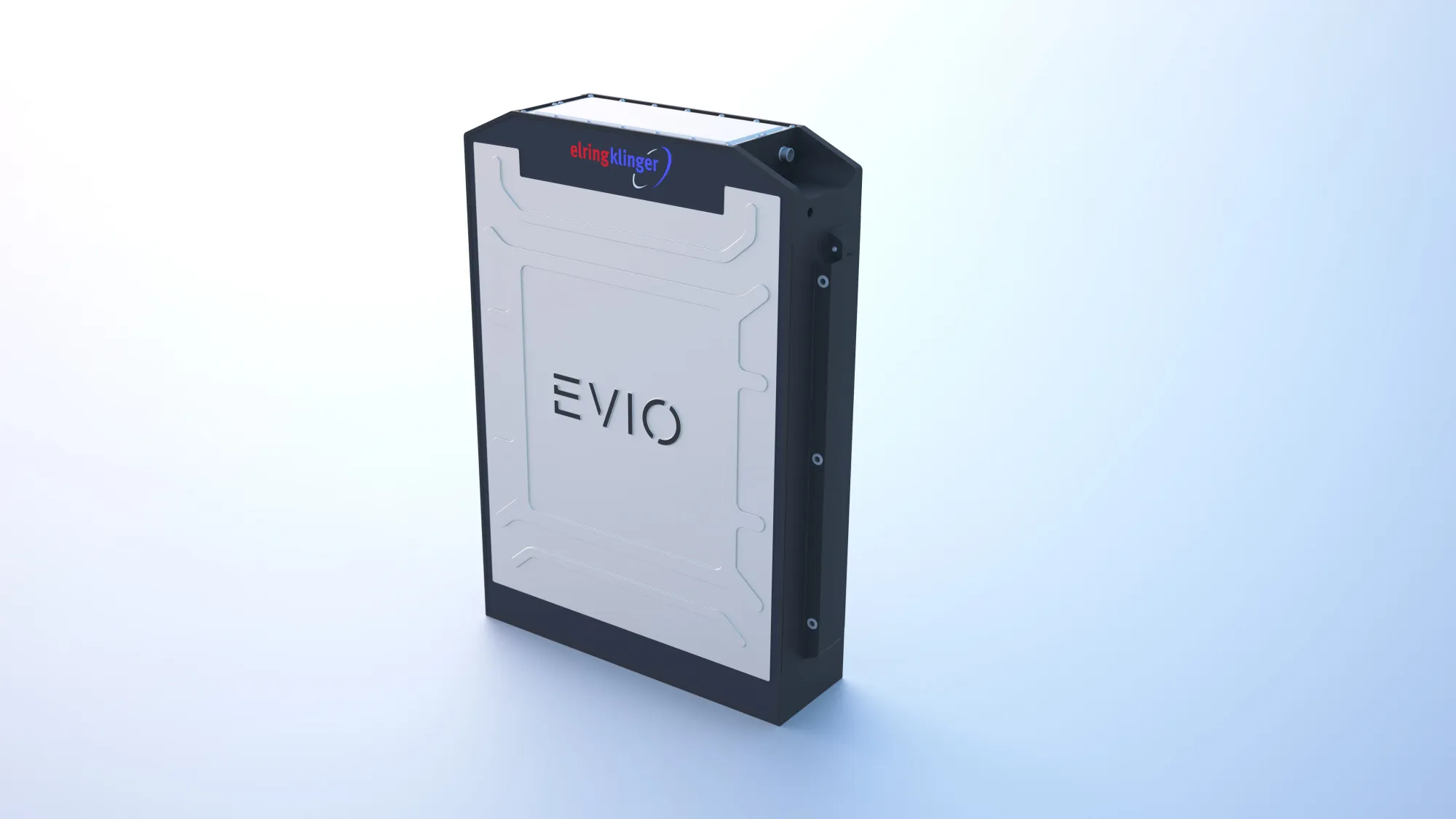
EVIO’s 810 architecture is a strong‑hybrid system that can run all‑electric on short missions and switch to hybrid‑electric for longer routes. The aircraft’s design relies on an energy storage solution capable of delivering the power, durability and safety needed for regional aviation. By leveraging Molicel’s expertise in high‑power lithium‑ion cells—already used in high‑performance aerospace and aviation applications—EVIO aims to meet the stringent certification requirements of Part 25 aircraft. The collaboration builds on earlier foundational cell performance testing conducted by both companies.
Market Signal
The partnership arrives as EVIO has secured conditional purchase agreements and options for 450 aircraft from two major airlines. While the announcement does not detail the financial terms, the joint development effort signals progress toward delivering a viable hybrid‑electric regional aircraft. Successful validation of the Molicel cells could reduce the technical risk associated with the EVIO 810’s energy storage system, a critical factor for airline customers evaluating the aircraft’s economic case.
Execution Questions
Key execution points remain open. The MOA does not disclose the timeline for cell qualification, the scale of testing, or the cost-sharing arrangement between EVIO and Molicel. Additionally, the announcement provides no information on supply‑chain readiness, manufacturing capacity, or the regulatory path for certifying the new cells under FAA or EASA standards. Stakeholders will need to monitor the data harvest scheduled for late 2026 and any subsequent milestones that affect the aircraft’s entry‑into‑service schedule.
Key Takeaways
- EVIO and Molicel signed a Memorandum of Agreement to develop high‑energy‑density lithium‑ion cells for the EVIO 810 aircraft.
- The collaboration will generate ESS‑level data in the second half of 2026 for a Part 25 aircraft with all‑electric CONOPS.
- EVIO has conditional purchase agreements and options totaling 450 aircraft from two major airlines.
EnergyInsyte's Take
The EVIO‑Molicel MOA provides a concrete step toward resolving the energy storage challenge that underpins hybrid‑electric regional aviation. While the partnership aligns technical expertise with an aircraft program that already has airline interest, the lack of disclosed timelines, cost structures and certification pathways leaves execution risk unresolved. Executives should watch the 2026 data milestones and any regulatory updates that could affect the EVIO 810’s market entry.
Source: Businesswire