
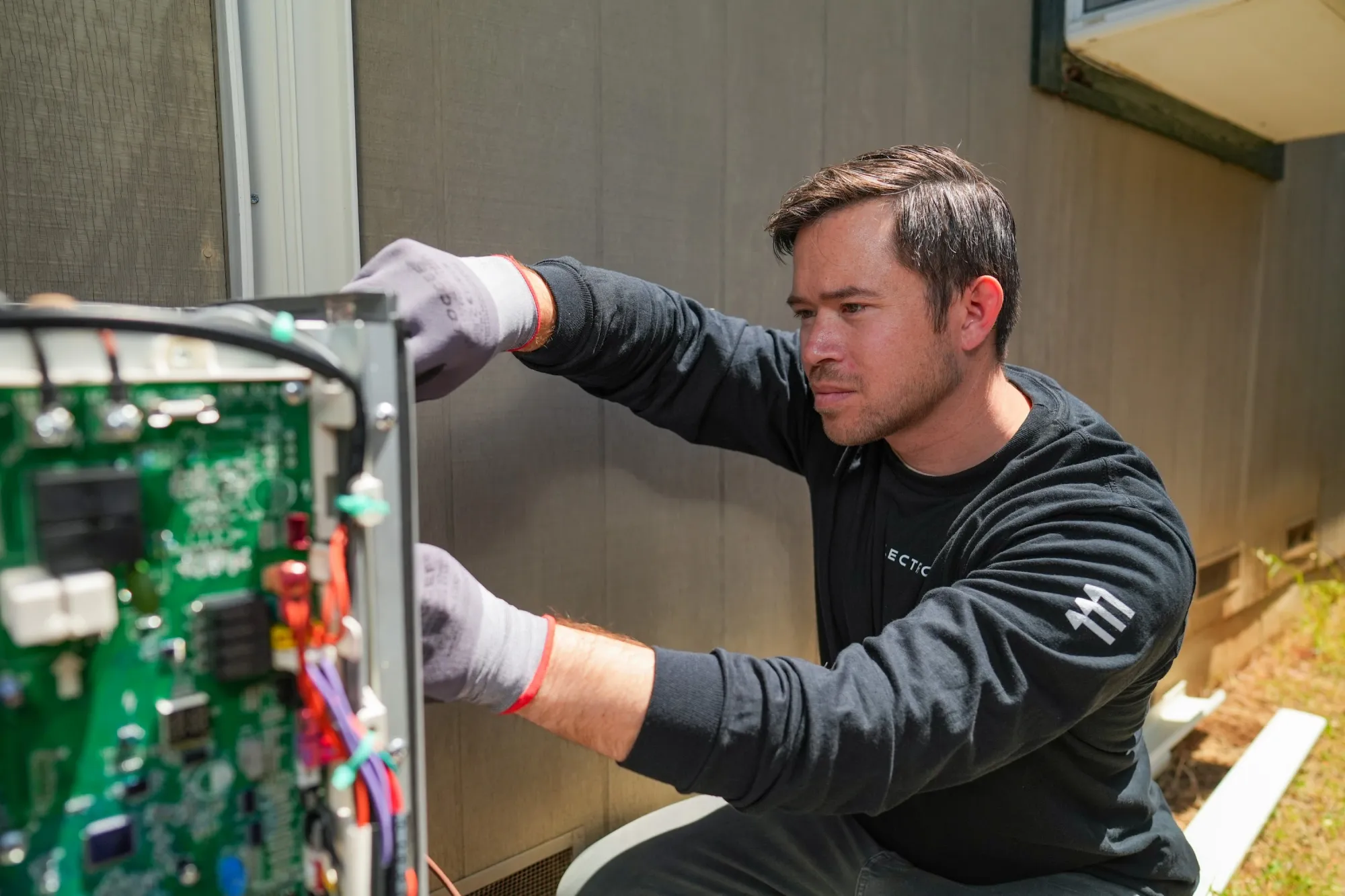
The Building Decarbonization Coalition (BDC) released its Momentum Q2 2026 report, revealing a significant shift in the U.S. residential heating landscape. Heat pumps and electric heating equipment have reached a record 61% market share in newly built homes, while gas heating fell to a historic low of 38%. This transition is driven by a massive surge in HVAC shipments, signaling a fundamental change in how new residential infrastructure is being equipped. For energy executives and grid operators, these figures represent a growing electrification trend that directly impacts long-term utility demand and infrastructure planning.
Record Heat Pump Shipments and Market Shifts
The HVAC industry is currently the primary driver of building decarbonization, with heat pump shipments outpacing gas and fossil-fuel furnace sales by 32% in the first quarter of 2026. This momentum is underscored by the narrowing gap between cooling and heating technologies; heat pump shipments were only 2% less than air conditioner shipments during the quarter, the smallest first-quarter gap ever recorded. Looking at long-term trends, heat pump sales in the U.S. have doubled over the last 15 years, growing from 1.8 million annual shipments in 2010 to 3.64 million in 2025. This steady upward trajectory suggests that electric heating is no longer a niche alternative but a dominant standard in the construction industry's approach to new housing units and residential energy systems.
Legislative Momentum and Infrastructure Policy
Beyond hardware sales, the BDC report highlights a surge in legislative activity focused on energy affordability and consumer protections. This year, 22 building decarbonization bills were introduced across 12 state legislatures, with 10 already passing into law. Crucially, line extension policies aimed at removing subsidies for gas system expansion are advancing in 12 states and D.C., potentially joining six states that have already reformed these allowances. Regulatory bodies are also actively managing this transition, with 11 "Future of Gas" proceedings currently active across the U.S. Additionally, local economies are exploring thermal energy networks, such as the project in Hayden, Colorado, which aims to provide energy savings to local businesses following a coal plant closure. These developments indicate a growing regulatory and community-led push toward electrified thermal infrastructure.
Key Takeaways
- Heat pumps and electric heating reached a 61% market share in new housing units in 2024, while gas heating hit a low of 38%.
- U.S. heat pump sales have doubled over 15 years, rising from 1.8 million annual shipments in 2010 to 3.64 million in 2025.
- Since 2019, residential gas and electricity bills have risen by a median of approximately 17% across various states.
EnergyInsyte's Take
In our view, the BDC report highlights a widening disconnect between consumer technology adoption and political energy platforms. While the construction industry is rapidly pivoting toward electric heating—evidenced by the 32% shipment lead over gas furnaces—political candidates are largely failing to address the underlying infrastructure costs. The 17% rise in utility bills is a critical pressure point, yet few leaders are proposing to curb expensive gas pipeline investments to improve affordability. This signals that while the market is decarbonizing through hardware, the regulatory and political frameworks are lagging. For grid operators, this rapid electrification necessitates a more proactive approach to managing shifting residential load profiles.
Source: EINPresswire.com