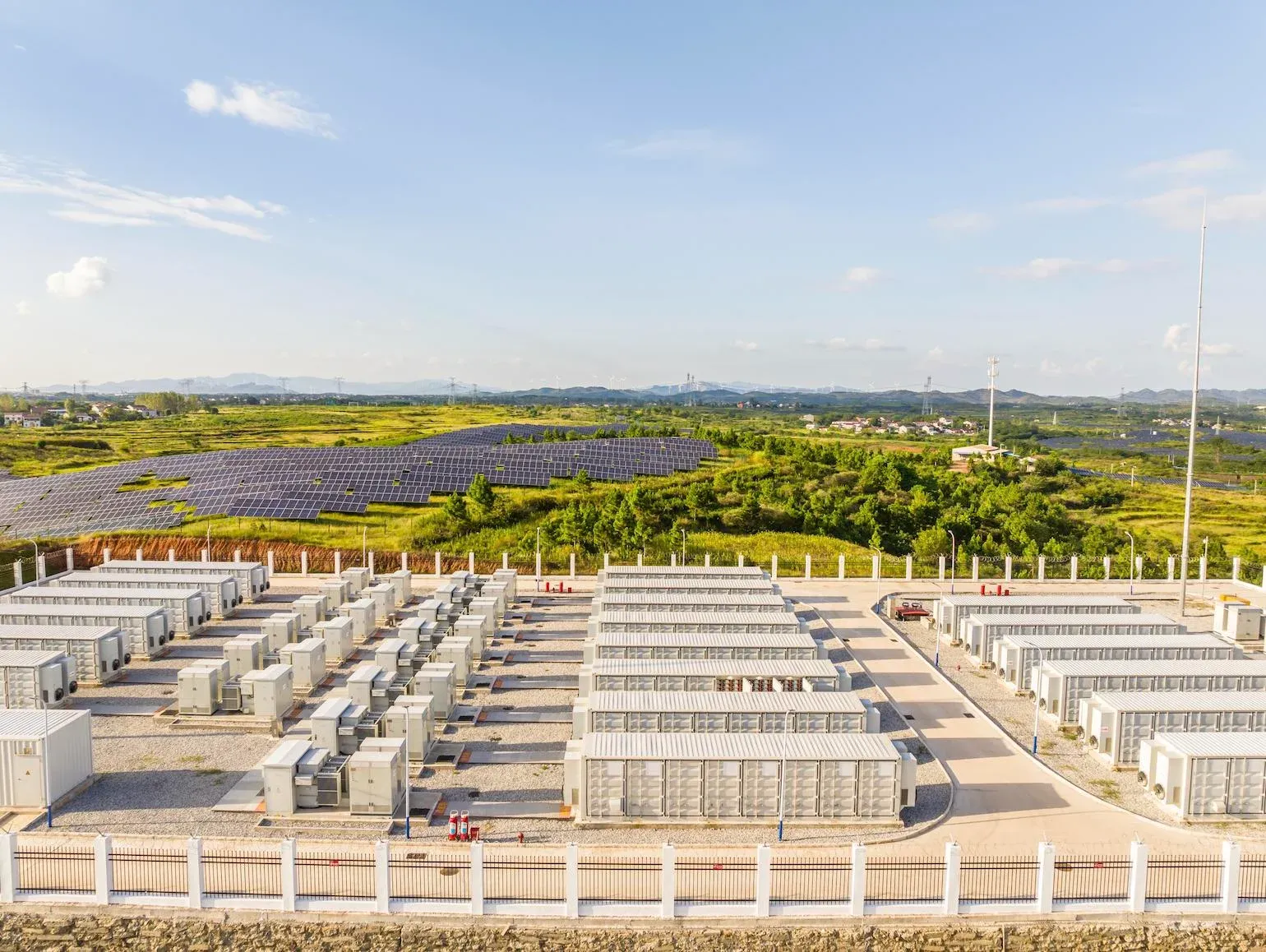

Lightshift Energy announced the deployment of six new battery energy storage projects at municipal light departments throughout Massachusetts, expanding its statewide portfolio by more than 23 MW. The installations are positioned to deliver over $90 million in lifetime savings for the participating utilities and their ratepayers, a development of direct relevance to grid operators and utility executives focused on cost‑effective peak‑shaving solutions. By storing electricity when wholesale prices are low and discharging it during high‑demand periods, the batteries directly mitigate the transmission and capacity charges that have become a primary driver of rising electricity rates in the Commonwealth. This strategic use of distributed storage also lessens reliance on fossil‑fuel generation during peak hours, supporting broader decarbonization goals.
Lightshift Energy’s Six New Battery Projects
The new projects are located at the Georgetown Municipal Light Department (3 MW), Ipswich Electric Department (5 MW), Groton Electric Light Department (4 MW), Princeton Municipal Light Department (3.5 MW), Ashburnham Municipal Light Plant (3 MW), and Marblehead Municipal Light Department (5 MW). Together they increase Lightshift’s Massachusetts footprint to twelve operational sites. Lightshift expects the combined capacity to generate more than $90 million in lifetime savings by reducing transmission and capacity charges during peak demand events, which are a primary driver of rising electricity rates in the state.
Portfolio‑Based Deployment Model
Lightshift employs a portfolio‑based model that aggregates multiple projects to capture economies of scale typically available only to larger developers. By coordinating deployments across municipal utilities, the company can lower per‑megawatt costs, accelerate interconnection timelines, and provide locational value at the distribution level. The approach relies on a partnership with the Massachusetts Municipal Wholesale Electric Company (MMWEC), the region’s largest asset‑owned generation provider for municipal light departments. Working with MMWEC enables Lightshift to maximize deployment speed and cost advantages across a broad membership base, delivering faster rollout and greater reliability for the participating communities.
Ongoing Development and Future Capacity
In addition to the six announced sites, Lightshift reported that a seventh project is currently under construction and will be announced soon, while the Ipswich project is in its final construction stages. The company also indicated that eight further projects are in advanced stages of development within the Commonwealth. No further details on the timelines or capacities of these pending projects were disclosed in the announcement, but the pipeline suggests that Lightshift’s portfolio will continue to grow, reinforcing its role as a key provider of distributed storage for Massachusetts’ municipal utilities.
Key Takeaways
- Lightshift Energy is adding over 23 MW of battery storage across six Massachusetts municipal utilities.
- The new installations are projected to deliver more than $90 million in lifetime savings by shaving peak demand charges.
- A seventh project is under construction, and eight additional projects are in advanced development in Massachusetts.
EnergyInsyte's Take
The expansion underscores a growing appetite among municipal utilities for aggregated storage solutions that address peak‑shaving cost pressures without requiring large‑scale, utility‑wide builds. While Lightshift’s portfolio model promises faster deployment and lower costs, the actual savings will depend on future rate structures and the performance of the yet‑to‑be‑commissioned sites. Executives should monitor the progress of the pending projects and assess how similar aggregation strategies might be applied within their own service territories.
Source: Businesswire