Nextpower is strengthening its intellectual property position in the utility-scale solar sector through a new U.S. patent for its NX PowerMerge electrical balance of systems (eBOS) technology. Alongside this legal milestone, the company announced a project award from BUILD Renewables. This development pushes Nextpower’s NX PowerMerge backlog to over 2 GW, signaling growing commercial demand for its specialized DC collection architectures.
NX PowerMerge Patent and Backlog Growth
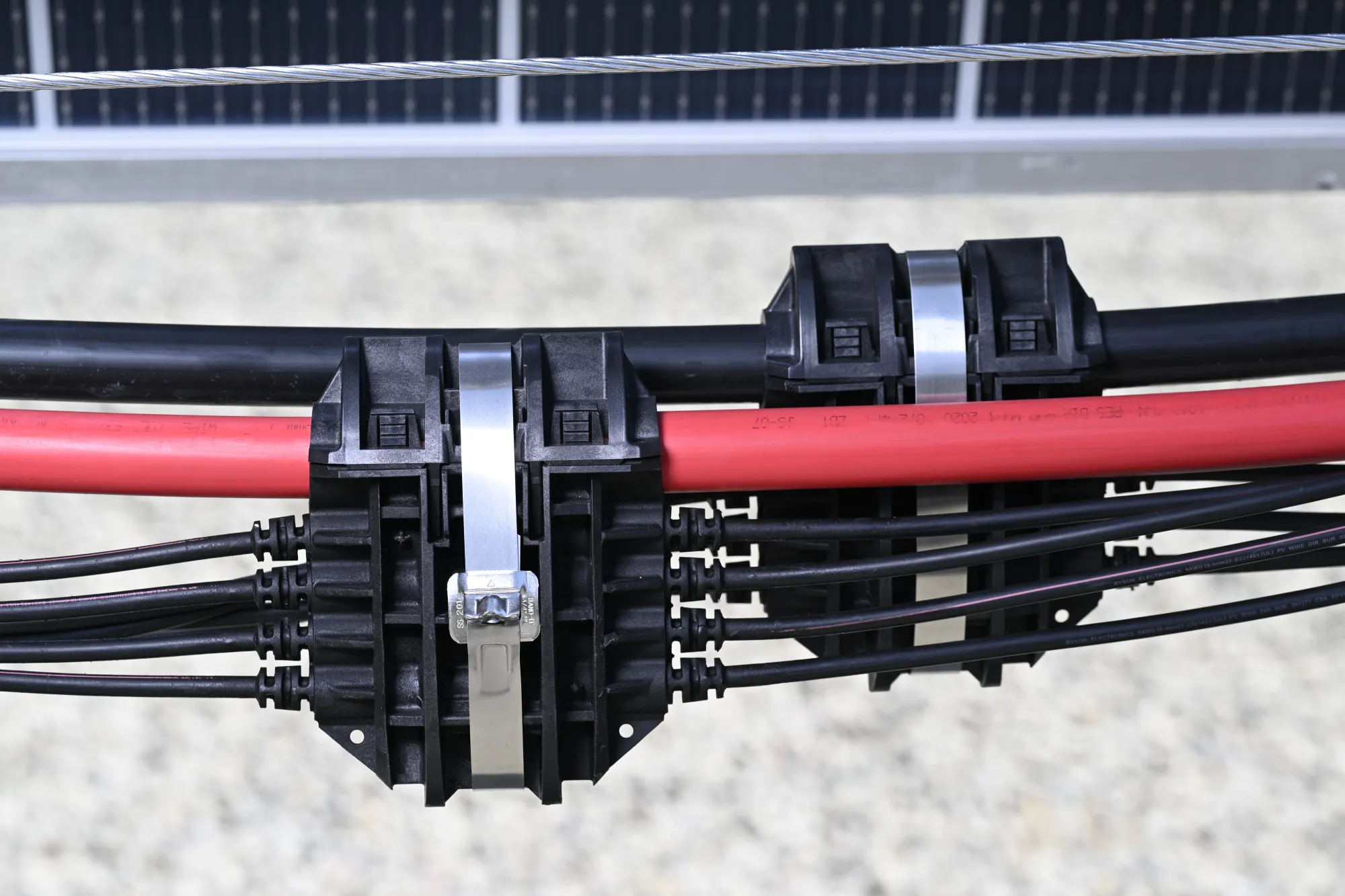
The U.S. Patent and Trademark Office issued patent number 12,712,292, covering the NX PowerMerge eBOS solution. This technology addresses the DC collection systems used in utility-scale solar plants, which connect power from multiple solar panel strings to larger trunk conductors. Nextpower is positioning this patented technology as a method to improve manufacturing quality and reliability at critical electrical interfaces. The company reported that the NX PowerMerge backlog has now exceeded 2 GW following a new project award from BUILD Renewables. According to Ryan Schofield, vice president of electrical – eBOS at Nextpower, the technology features a single trunk cable connection point and an installation tool designed to verify pressure, which the company claims reduces guesswork during field installation.
Scaling Utility-Scale DC Collection Architectures
Nextpower’s eBOS portfolio offers two primary DC collection methods: trunk bus and combiner box architectures. By providing both through a single technology partner, Nextpower aims to allow utility-scale solar owners, developers, and EPC teams to select the specific approach required for individual project needs. The NX PowerMerge connector body is designed to be universal across various trunk cable sizes, which the company suggests provides EPC teams with flexibility to manage design changes as projects evolve. Craig Sandeen, president and CEO of BUILD Renewables, stated that the company is partnering with Nextpower because the NX PowerMerge product provides specific safety, installation velocity, and performance features, while also offering an integrated design with solar trackers and other plant components.
Key Takeaways
- Nextpower received U.S. patent number 12,712,292 for its NX PowerMerge eBOS technology.
- A new project award from BUILD Renewables has increased the NX PowerMerge backlog to over 2 GW.
- The NX PowerMerge system utilizes a universal connector body to accommodate different trunk cable sizes.
EnergyInsyte's Take
In our view, Nextpower’s ability to cross the 2 GW backlog threshold suggests that the market is prioritizing installation speed and field reliability in the eBOS layer. By securing a patent for its specific connection and verification methods, Nextpower is attempting to create a technical moat around its DC collection hardware. For EPCs and developers, the move toward universal connector bodies and integrated tracker designs signals a shift toward reducing site-level complexity and mitigating the risks associated with mid-construction design changes in large-scale solar deployments.
Questions & Answers
How does the NX PowerMerge technology impact field installation for EPC teams?
The technology utilizes a single trunk cable connection point and a specialized installation tool that verifies pressure during setup. This is intended to reduce manual guesswork and improve the reliability of electrical interfaces during the construction of utility-scale solar plants.
What does the recent patent cover regarding solar infrastructure?
The U.S. patent (number 12,712,292) covers the NX PowerMerge electrical balance of systems (eBOS) solution, specifically focusing on the critical electrical interfaces used in DC collection systems for solar power plants.
What is the current scale of Nextpower's NX PowerMerge project commitments?
Following a recent project award from BUILD Renewables, Nextpower has expanded its NX PowerMerge backlog to a total of over 2 GW.
How does Nextpower support different DC collection requirements for solar developers?
Nextpower provides both trunk bus and combiner box DC collection methods within its eBOS portfolio, allowing developers and EPCs to select the architecture that best fits their specific project requirements.
Source: Businesswire