OPAL Fuels (Nasdaq: OPAL) recently hosted North Carolina’s 3rd‑district Congressman Greg Murphy, M.D., for a tour of its Sapphire renewable natural gas (RNG) plant at the Sampson County landfill. The visit underscored how RNG projects can deliver reliable, lower‑cost fuel for heavy‑duty transportation while creating local jobs and reducing methane emissions. For energy executives evaluating decarbonization pathways, the Sapphire facility offers a concrete example of a commercially mature technology that aligns with both market and policy drivers.
Scaling a Proven Technology at the Sampson County Landfill
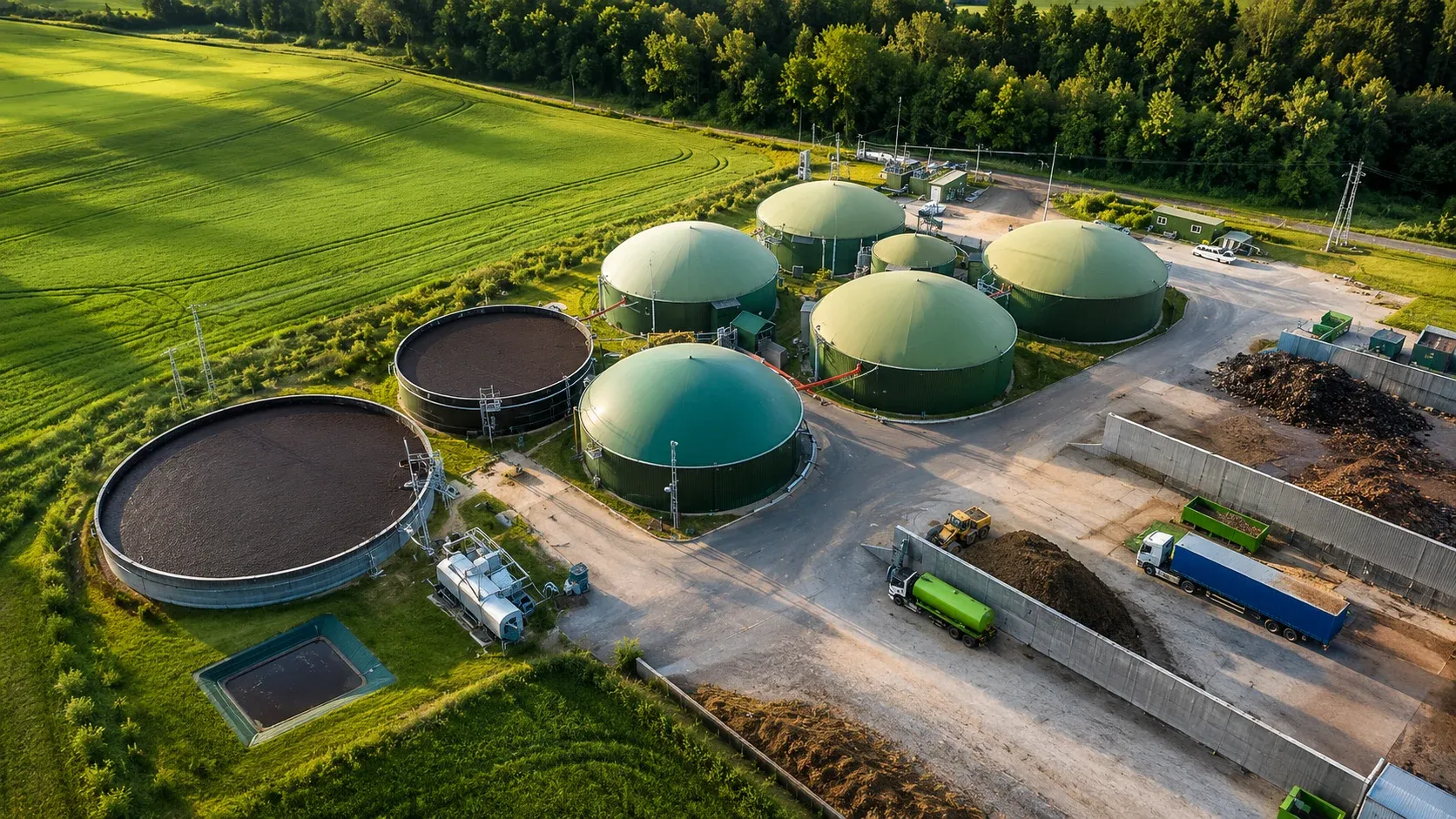
The Sapphire RNG plant captures methane generated by the anaerobic decomposition of organic waste at the Sampson County landfill and upgrades it to pipeline‑quality RNG. With a nameplate capacity of roughly 0.80 million MMBtus per year—equivalent to 6.6 million gasoline‑gallon equivalents—the facility is sized to supply a substantial portion of the fuel demand for regional heavy‑duty fleets.
Key operational points:
- Feedstock reliability – Landfill gas is a continuous, predictable source of methane, avoiding the seasonal variability seen in some agricultural anaerobic digesters.
- Conversion efficiency – The plant employs proven gas‑cleaning and compression technologies that meet the U.S. EPA’s Renewable Fuel Standard (RFS) specifications for RNG.
- Pipeline integration – Produced RNG meets the same quality standards as conventional natural gas, allowing direct injection into existing interstate pipelines and simplifying distribution to end‑users.
For utilities and fleet operators, the ability to source fuel from a domestic, pipeline‑connected RNG plant reduces exposure to diesel price volatility and mitigates supply‑chain risks associated with imported oil.
Policy Incentives Strengthen Investment Confidence
OPAL’s CEO Adam Comora highlighted the impact of the Section 45Z Clean Fuel Production Credit on the project’s economics. This federal credit, which provides up to $0.85 per gasoline‑gallon equivalent of RNG, directly improves the netback to producers and narrows the cost gap with diesel.
Implications for investors and developers:
- Predictable cash flow – The credit is structured as a per‑gallon cash incentive, allowing straightforward financial modeling.
- Risk mitigation – By anchoring a portion of revenue to a federal program, projects can secure financing more readily, especially in regions where state RNG incentives are limited.
- Scalability – The credit applies to any qualifying RNG facility, encouraging replication of the Sapphire model across other waste streams and geographies.
Stakeholders should monitor the upcoming Treasury guidance on Section 45Z compliance, as reporting requirements will affect the timing of credit receipt and, consequently, project cash‑flow timing.
Competitive Edge for Heavy‑Duty Fleets
RNG’s most immediate market is heavy‑duty transportation, where diesel remains the dominant fuel but faces tightening emissions regulations and growing price uncertainty. By converting landfill methane into a lower‑emissions, cost‑stable alternative, RNG offers several operational advantages:
- Pricing stability – RNG contracts often incorporate long‑term pricing structures, insulating fleets from spot‑market diesel spikes.
- Regulatory compliance – Using RNG can help fleet operators meet EPA’s Greenhouse Gas (GHG) emissions standards and state-level low‑carbon fuel mandates without extensive retrofits.
- Infrastructure compatibility – Existing diesel engines can run on RNG blends with minimal modifications, reducing capital expenditures for fleet upgrades.
For logistics firms and public‑sector fleets evaluating decarbonization options, RNG presents a near‑term pathway that balances emissions reductions with operational continuity.
Regional Economic Impact and Workforce Development
The Sapphire facility contributes to Eastern North Carolina’s economy through direct employment, construction spend, and ancillary services. Congressman Murphy emphasized the broader community benefits, noting that responsible energy development can “strengthen our workforce and expand opportunity across the region.”
Strategic considerations for policymakers and economic development agencies:
- Job creation – RNG plants typically generate a mix of permanent technical positions and temporary construction jobs, supporting local labor markets.
- Supply‑chain diversification – By creating demand for waste collection, gas processing equipment, and pipeline services, RNG projects stimulate multiple downstream industries.
- Rural energy resilience – Locally produced RNG can serve as a backup fuel source for regional power generation, enhancing grid reliability in areas vulnerable to fuel supply disruptions.
Key Takeaways
- The Sapphire RNG plant converts landfill methane into 0.80 million MMBtus per year of pipeline‑grade RNG, enough to replace millions of gallons of diesel for heavy‑duty fleets.
- Federal Section 45Z credits improve RNG economics, making projects like Sapphire more attractive to capital markets and encouraging replication.
- RNG offers fleets pricing stability, regulatory compliance, and engine compatibility, positioning it as a pragmatic near‑term decarbonization option.
Conclusion
OPAL Fuels’ Sapphire facility demonstrates that renewable natural gas can be deployed at commercial scale, delivering tangible benefits for energy security, fleet economics, and regional development. As policy incentives mature and diesel price volatility persists, RNG is likely to attract additional capital and become a staple component of the U.S. transportation fuel mix. Energy executives should evaluate RNG projects not only for their emissions profile but also for their ability to diversify fuel supply, lock in predictable costs, and support local economies—attributes that align with both corporate sustainability goals and bottom‑line performance.
Source link: Businesswire