Seequent, a Bentley Subsurface Company, and the Cascade Institute have launched a landmark collaboration to develop the Canadian Thermal Model. This national initiative is designed to reveal Canada’s deep geothermal resources and accelerate the development of renewable energy to support the country's clean energy goals. By providing a comprehensive, nationwide view of subsurface heat, the project aims to inform investment, policy planning, and project development during a period of surging global investment in geothermal energy as a reliable, always-on clean power source.
Seequent and Cascade Institute Develop Canadian Thermal Model
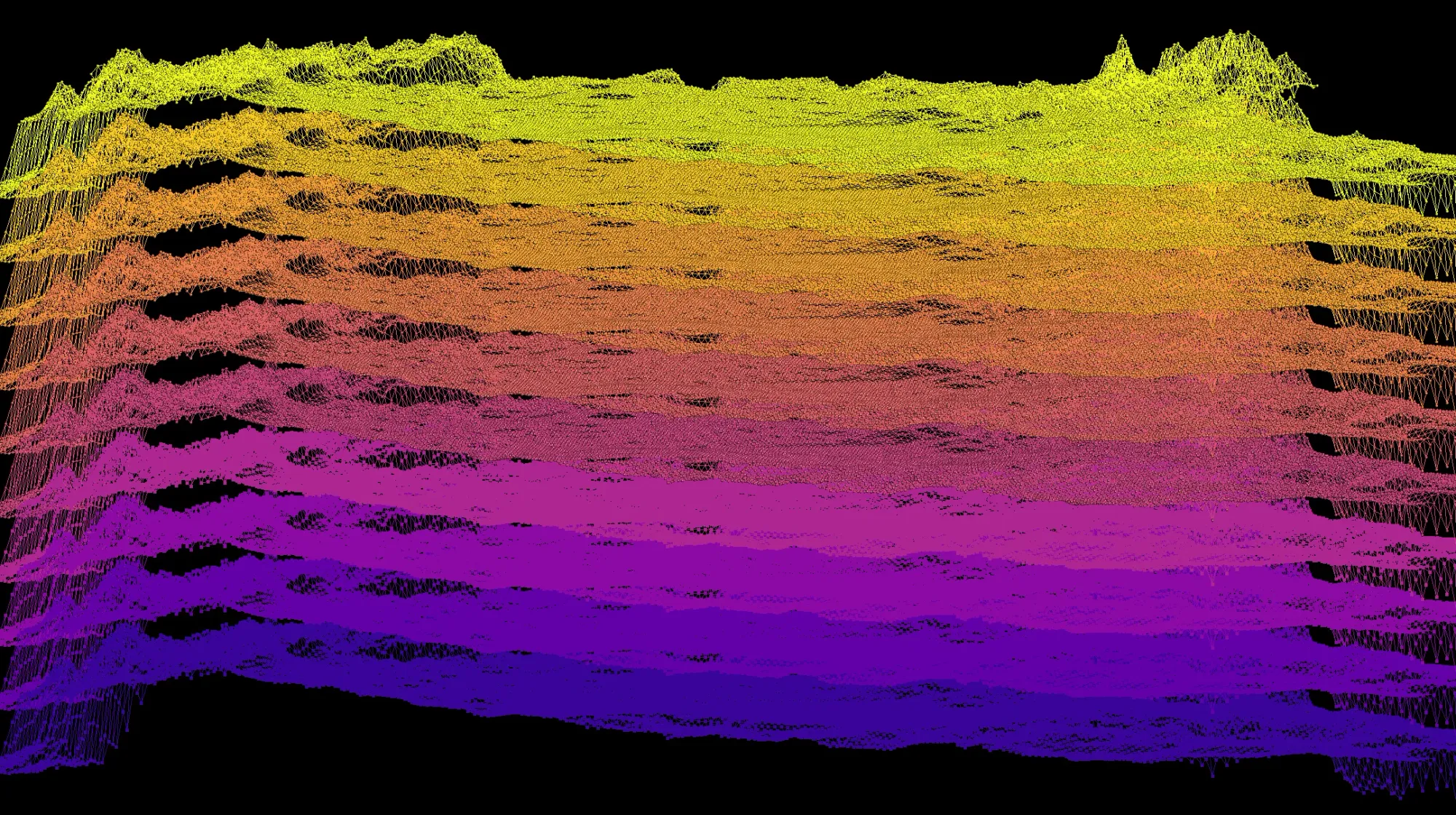
The project will utilize novel machine learning methods to address limited subsurface data coverage, which has remained a long-standing challenge for the geothermal sector. To overcome these gaps, the initiative integrates geologic and geophysical datasets into the InterPIGNN machine learning algorithm for deep heat modelling. Seequent is supporting this research by providing access to its world-leading geophysics software, specifically Oasis montaj, to process and visualize the data required to inform energy markets on resource availability and development costs.
The Cascade Institute, a think tank at Royal Roads University focused on high-impact interventions for humanity's deepest problems, is leading the project through its Deep Geothermal program. The development team consists of Cascade Institute specialists working alongside a team of geoscientists and research partners, including Simon Fraser University, 400C Energy, and the Geological Survey of Canada Pacific Division. Together, these partners are utilizing data integration workflows to advance the knowledge of Canada's geothermal energy reserves.
Technical Foundation for Canada's Geothermal Investment
The Canadian Thermal Model is positioned as a foundational resource to demonstrate the technical and economic viability of geothermal energy at scale. According to Thomas Homer-Dixon, Executive Director of the Cascade Institute, the project leverages Canada's advanced subsurface expertise to help the nation lead in the geothermal space. By improving confidence in the location of geothermal resources, the model is intended to reduce risk for developers and investors.
The announcement was made on the opening day of the World Geothermal Congress in Calgary, held from June 8 to 11. This collaboration reflects a broader industry shift toward national-scale resource assessment and data-driven development, emphasizing the importance of partnerships between technology providers, research institutions, and the wider energy sector to scale geothermal from an opportunity into infrastructure. Seequent noted that its technology currently supports more than 60% of global geothermal power generation, including next-generation projects such as Fervo Energy’s Cape Station in Utah and the global operations of Ormat.
Integration of Machine Learning and Geophysics
The project focuses on creating a national view of deep heat resources by combining data integration workflows with advanced geophysics. Jeremy O’Brien, Energy Segment Director at Seequent, stated that realizing Canada's potential starts with greater subsurface certainty and making data accessible to key stakeholders. By combining this accessibility with best-in-class geophysics, the team can achieve more accurate mapping of heat at depth, which is essential for determining where resources are located and the associated costs of development.
As part of the launch, the Cascade Institute and Seequent presented "The Next Frontier: Exploring the Potential of Canada’s Deep Geothermal Resources" at the World Geothermal Congress. This interactive discussion provided an in-depth examination of the specific technical challenges and opportunities associated with deep geothermal systems.
Key Takeaways
- The Canadian Thermal Model uses the InterPIGNN machine learning algorithm to integrate geologic and geophysical datasets for deep heat modelling.
- The project is led by the Cascade Institute at Royal Roads University in partnership with Simon Fraser University, 400C Energy, and the Geological Survey of Canada Pacific Division.
- Seequent provides the Oasis montaj geophysics software used to process and visualize data to inform energy markets on resource availability and costs.
EnergyInsyte's Take
This initiative signals a move toward standardized, data-driven resource assessment to lower the entry barrier for geothermal capital deployment in Canada. Executives should monitor whether the InterPIGNN algorithm can effectively fill critical data gaps to provide the "subsurface certainty" required for large-scale infrastructure investment. The primary uncertainty remains how quickly these models translate into viable, commercial-scale projects.
Source: Businesswire