The Perkasie Regional Authority is utilizing interim infrastructure to accelerate regulatory compliance while simultaneously building a long-term asset base for permanent water treatment. By deploying a temporary granular activated carbon (GAC) system provided by Sentinel Water Solutions, the Authority has treated more than 200 million gallons of drinking water over the past year. This strategic decision allows the utility to address immediate PFAS concerns a year ahead of its permanent facility's completion, effectively bridging the gap between urgent compliance needs and long-term capital project execution.
Perkasie Regional Authority PFAS Treatment Milestones
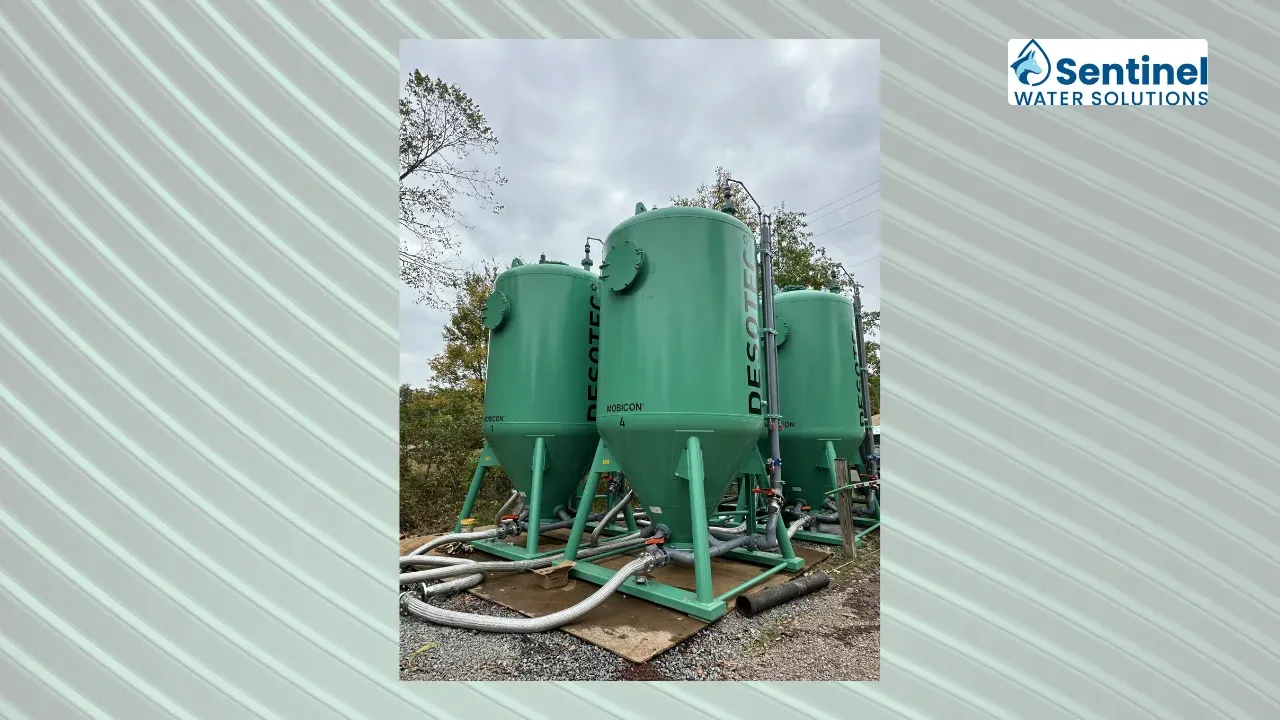
The temporary GAC system, deployed in 2025, serves as a functional bridge while the Authority advances the construction of its permanent PFAS treatment facilities. Sentinel Water Solutions provided four DESOTEC Mobicon vessels, each pre-loaded with approximately 10,000 pounds of NSF-certified GAC. To ensure seamless integration with existing utility infrastructure, the deployment included an automated booster pump skid and specific pressure-control improvements. This configuration allowed the Perkasie Regional Authority to pull its PFAS compliance schedule forward, providing treated water to customers while permanent improvements were still in the design and construction phases. Rather than viewing the rental equipment as a disposable interim investment, the Authority is leveraging the system to manage immediate water quality requirements. This parallel approach to construction and treatment demonstrates a method for utilities to mitigate the risks associated with waiting for large-scale capital projects to reach operational status, ensuring that safe water delivery begins well before the final infrastructure is fully commissioned.
Integrating Temporary GAC into Permanent Infrastructure
A critical component of this deployment is the plan to transition the temporary media into a permanent operational asset. The GAC currently utilized in the rental system is intended to form the foundation of the Perkasie Regional Authority’s GAC reactivation pool. As the carbon is removed from service, it can be reactivated for future use, creating an inventory of Authority-owned reactivated GAC. This inventory is slated for eventual deployment within the permanent PFAS treatment facility. By partnering with Sentinel Water Solutions and DESOTEC for NSF-certified GAC reactivation and carbon inventory management, the Authority aims to reduce its long-term reliance on virgin carbon. This strategy suggests a shift in how utilities view temporary treatment; instead of a sunk cost, the media becomes a sustainable lifecycle component. The project illustrates how thoughtful media planning can allow a utility to carry value from a rental period directly into its long-term operating strategy, supporting a more circular approach to contaminant management and resource utilization.
Key Takeaways
- The Perkasie Regional Authority has treated more than 200 million gallons of drinking water using a temporary GAC system.
- Sentinel Water Solutions provided four DESOTEC Mobicon vessels, each containing approximately 10,000 pounds of NSF-certified GAC.
- The Authority plans to use the treated carbon to build a reactivation pool for use in its permanent PFAS treatment facility.
EnergyInsyte's Take
In our view, the Perkasie Regional Authority is providing a blueprint for utilities struggling with the compressed timelines of PFAS compliance. Most water authorities treat interim solutions as "throwaway" expenditures that offer no long-term utility. However, by designing the temporary deployment to feed into a future reactivation pool, Perkasie is effectively converting an operational expense into a capital asset. This approach mitigates the financial "double-hit" of paying for both temporary rental and permanent media. For C-suite executives, this signals that the most efficient path to compliance involves selecting interim technologies that are architecturally compatible with permanent, long-term resource management and circularity goals.
Questions & Answers
How does the temporary system impact the Authority's compliance timeline?
The deployment allowed the Perkasie Regional Authority to begin PFAS treatment one year ahead of the scheduled completion of its first permanent facility, effectively accelerating its compliance schedule.
What specific equipment was used to integrate the temporary system?
Sentinel Water Solutions provided four DESOTEC Mobicon vessels pre-loaded with 10,000 pounds of NSF-certified GAC each, alongside an automated booster pump skid and pressure-control improvements for infrastructure integration.
How will the Authority recover value from the temporary GAC media?
The Authority plans to use the GAC from the rental system to establish a reactivation pool, creating an inventory of owned, reactivated carbon to be used in the permanent PFAS treatment facility.
What is the strategic advantage of the "parallel approach" used here?
The parallel approach allows a utility to address immediate water safety and compliance needs through rapidly deployable rental systems while simultaneously managing the longer design and construction timelines of permanent capital projects.
Source: Businesswire