Silfab Solar, a prominent manufacturer of American-made photovoltaic solar panels and cells, has officially expressed support for the White House's decision to implement Section 232 tariffs on imports of polysilicon and its derivatives. This policy shift aims to reshore American jobs and bolster domestic manufacturing capabilities to support the expanding U.S. solar industry.
Silfab Solar Endorses Section 232 Polysilicon Policy
The White House decision regarding Section 232 tariffs on polysilicon imports is positioned to strengthen domestic manufacturers. Silfab Solar, which has invested hundreds of millions of dollars into its U.S. facilities and employs thousands of workers, views this as a critical step toward energy independence. CEO Paolo Maccario stated that the policy aims to level the playing field, allowing companies to expand within the U.S. while utilizing a domestic supply chain. This regulatory move coincides with Silfab’s strategic expansion in North America, specifically as the company begins full-scale production of solar cells at its new facility located in Fort Mill, South Carolina.
Strengthening Domestic Solar Supply Chains
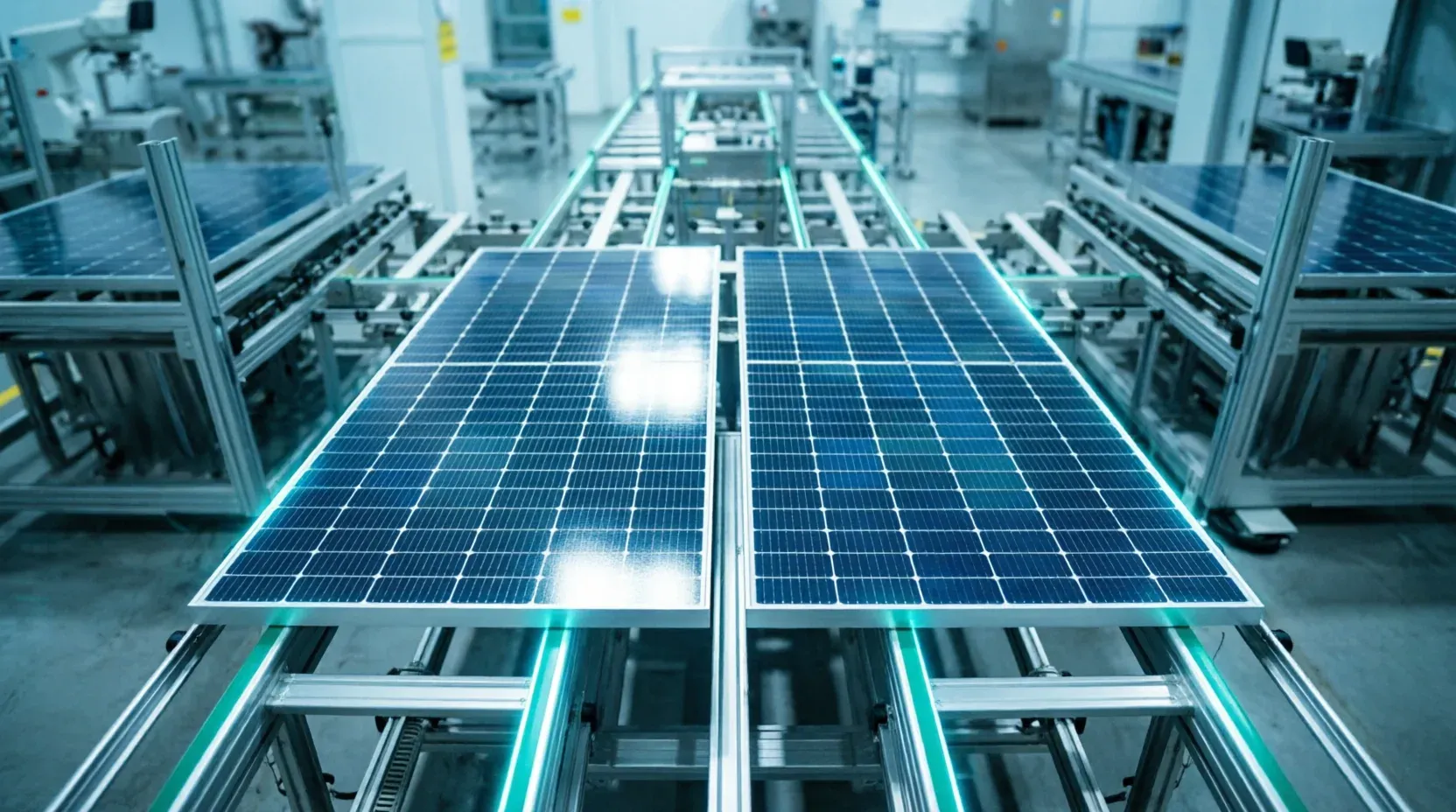
For the energy sector, the implementation of these tariffs signals a concerted effort to reduce reliance on Chinese raw materials. Silfab Solar is currently ramping up its solar cell production lines, a move that aligns with the administration's goal of promoting domestic polysilicon production. By addressing dependencies on foreign imports, the policy seeks to stabilize the domestic supply chain for high-quality, powerful solar panels. This shift is intended to foster a more resilient manufacturing ecosystem, supporting long-term growth for American-made solar technology and ensuring that the scaling of solar cell production is backed by a secure, domestic source of essential raw materials.
Key Takeaways
- Silfab Solar is initiating full-scale solar cell production at its new South Carolina facility.
- The Section 232 policy targets imports of polysilicon and its derivatives to promote domestic manufacturing.
- Silfab Solar has invested hundreds of millions of dollars into its United States-based facilities.
EnergyInsyte's Take
In our view, the implementation of Section 232 tariffs represents a strategic pivot toward supply chain sovereignty. By targeting polysilicon, the administration is addressing a fundamental bottleneck in the solar value chain. For manufacturers like Silfab Solar, this policy provides the regulatory tailwinds necessary to justify massive capital expenditures in domestic cell production. This signals that the U.S. solar industry is moving toward a model where energy independence is inextricably linked to domestic raw material security.
Questions & Answers
How does the Section 232 policy impact Silfab Solar's current operations?
The policy coincides with Silfab's transition to full-scale solar cell production at its new South Carolina facility, providing a regulatory environment intended to support domestic manufacturing expansion.
What is the primary strategic goal of the White House polysilicon decision?
The decision aims to reshore American jobs, promote domestic manufacturing, and reduce the U.S. solar industry's dependency on China for critical raw materials like polysilicon.
What specific investments has Silfab Solar made to support its U.S. presence?
Silfab Solar has invested hundreds of millions of dollars into its U.S. facilities and currently employs thousands of American workers to produce solar panels and cells.
Why is polysilicon considered a critical component in this policy?
Polysilicon and its derivatives are essential raw materials for solar cells; by applying Section 232 tariffs, the policy seeks to build a domestic supply chain for these components.
Source: BUSINESSWIRE