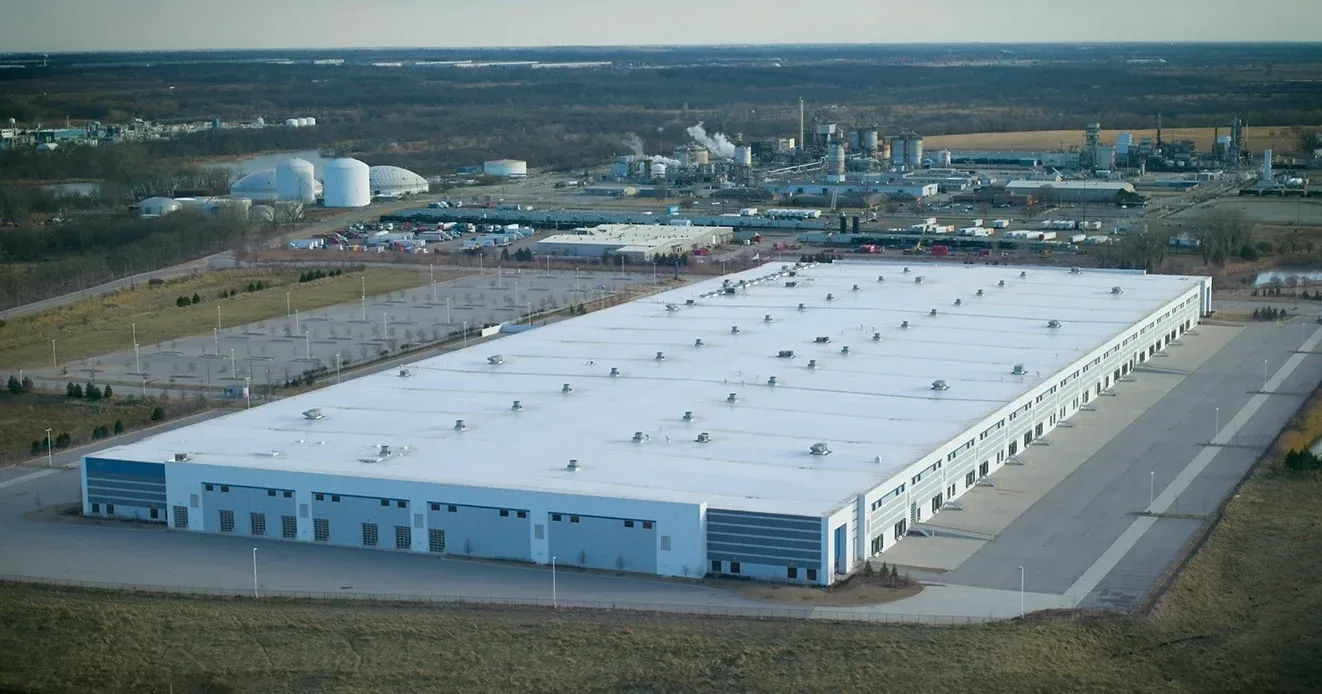
Soluna Holdings is moving to secure its vertical integration strategy by controlling the physical footprint required for high-density compute expansion. The company announced it has closed the purchase of 397 acres in Briscoe County, Texas, to host Project Dorothy 3, a planned renewable-first AI computing campus. This acquisition aims to provide a potential capacity of up to 300 MW. By securing this specific land parcel, Soluna is attempting to mitigate the interconnection and land-use risks that frequently stall large-scale data center developments in the current energy-constrained market.
Project Dorothy 3 Land Acquisition
The newly acquired 397-acre parcel in Briscoe County, Texas, serves as the foundation for Soluna’s Project Dorothy 3. This site is strategically positioned adjacent to the company’s existing Projects Dorothy 1 and 2, as well as the 150 MW Briscoe Wind Farm, which Soluna acquired in April. A critical technical advantage of this location is the proximity of the Briscoe Wind Farm’s substation, which sits directly across from the property. This positioning is intended to facilitate direct, behind-the-meter access to the generation assets that Soluna owns outright.
The company noted that the 397 acres exceed the 300 acres originally identified for the campus. This surplus land is intended to provide the company with the flexibility to add additional data halls if further generation or storage capacity becomes available at the site. Project Dorothy 3 represents a significant component of Soluna’s broader development pipeline, which the company states currently totals approximately 6.3 GW across multiple locations.
Strategic Integration of Compute and Generation
Soluna is positioning this acquisition as a method to reduce deployment timelines for AI-focused customers. By controlling the land and the adjacent generation assets, the company aims to offer a more predictable development path. CEO John Belizaire stated that owning this land removes a variable for customers evaluating AI sites, suggesting that Project Dorothy 3 is a site the company can control "end to end." This approach is designed to transform a standard development project into a more stable platform for customer planning.
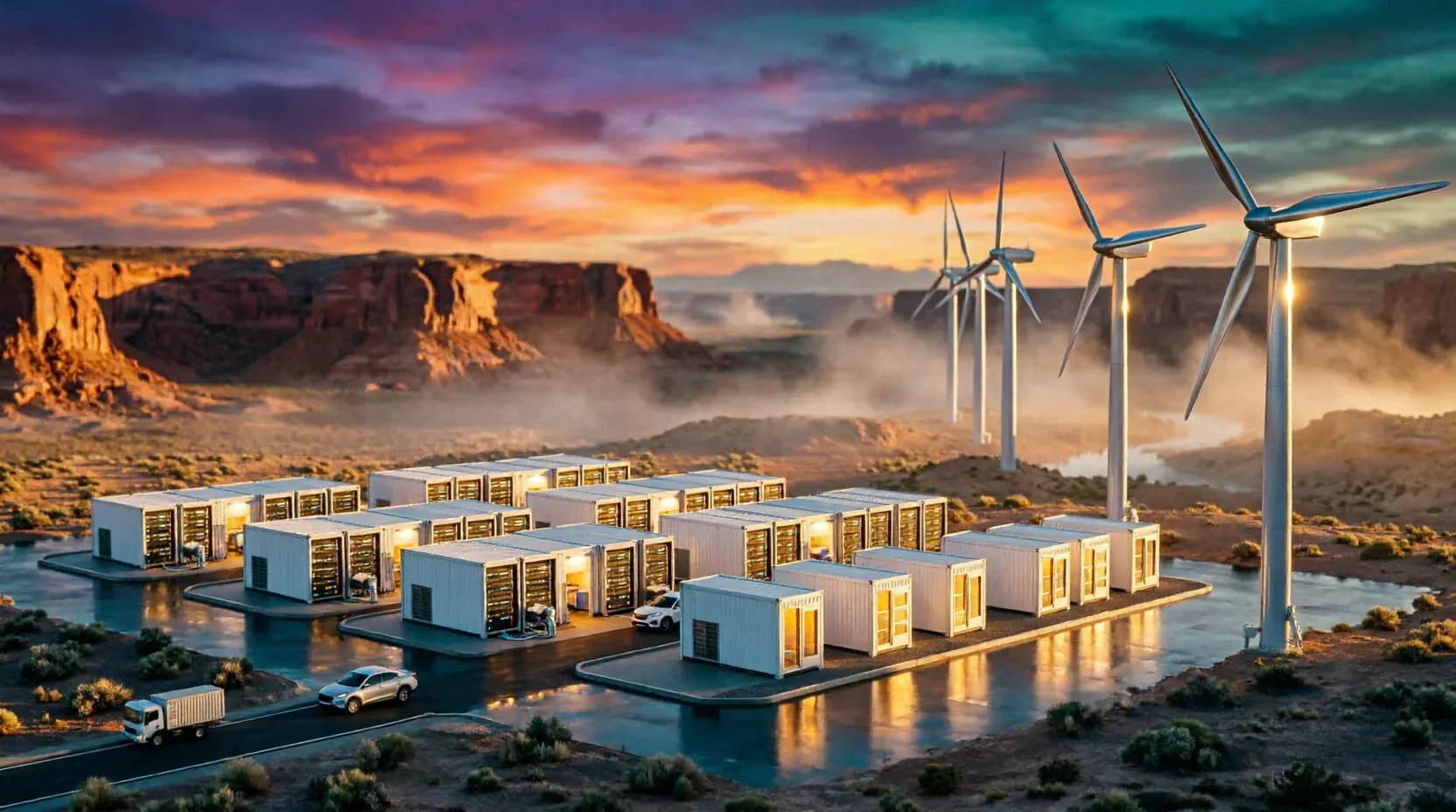
The move highlights a growing trend where intensive computing providers seek to bypass traditional grid constraints by co-locating directly with renewable assets. Soluna currently operates approximately 192 MW of energized capacity. By linking the 300 MW potential of Dorothy 3 with its existing wind assets, the company is testing whether a vertically integrated model—combining land ownership, generation, and data center operations—can effectively address the massive power requirements of generative AI and Bitcoin mining.
Key Takeaways
- Soluna closed the purchase of 397 acres in Briscoe County, Texas, for Project Dorothy 3.
- The site has a potential capacity of up to 300 MW and sits adjacent to the 150 MW Briscoe Wind Farm.
- The company maintains a total development pipeline of approximately 6.3 GW across multiple sites.
EnergyInsyte's Take
In our view, Soluna’s acquisition is a calculated attempt to solve the "interconnection bottleneck" that currently plagues the AI and crypto sectors. By securing land directly across from a substation they already control via the Briscoe Wind Farm, they are effectively building a private microgrid ecosystem. This behind-the-meter strategy is a direct response to the increasing difficulty of securing large-scale utility connections. While the 6.3 GW pipeline remains a forward-looking ambition, the Dorothy 3 acquisition demonstrates a shift from mere project development to aggressive asset control, prioritizing speed-to-power as a primary competitive advantage for intensive computing clients.
Questions & Answers
How does the location of the Briscoe County land impact Project Dorothy 3's power delivery?
The land sits directly across from the Briscoe Wind Farm’s substation. This proximity is intended to allow Soluna to provide the campus with direct, behind-the-meter access to the 150 MW of wind generation it owns, potentially bypassing traditional utility interconnection delays.
What is the strategic purpose of acquiring more land than originally planned?
Soluna acquired 397 acres, which is 97 acres more than the 300 acres initially identified. The company intends to use this extra space to add more data halls if additional generation or storage capacity becomes available at the site.
How does this acquisition fit into Soluna's broader capacity goals?
Project Dorothy 3, with a potential capacity of up to 300 MW, is a key part of Soluna’s larger development pipeline, which the company states is approximately 6.3 GW. This is an expansion beyond its current 192 MW of energized capacity.
Why is "end-to-end" control important for AI computing customers?
According to CEO John Belizaire, AI customers require certainty regarding how quickly they can access power. By controlling the land, the generation, and the infrastructure, Soluna aims to provide a more predictable environment for customers to plan their compute requirements.
Source: Businesswire