
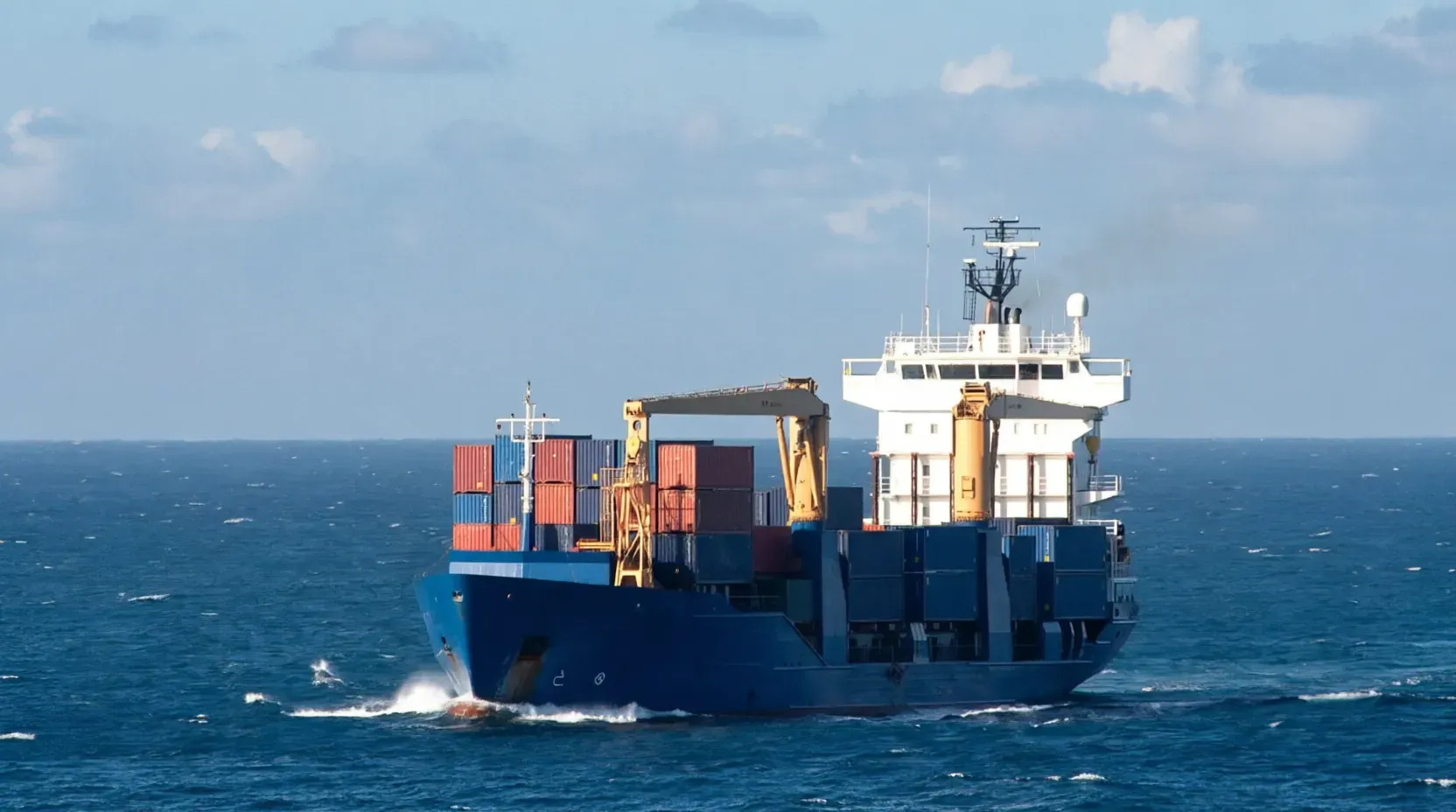
TotalEnergies has shipped the first liquefied natural gas (LNG) cargo from ECA LNG Phase 1, a new export terminal on Mexico’s Pacific Coast in Baja California, to Asian markets. The facility, under commissioning, marks the first LNG export terminal on Mexico’s west coast and positions U.S. natural gas for shorter maritime routes to Asia. TotalEnergies holds a 16.6% stake in the project and will serve as the sole offtaker during the ramp-up phase, securing 1.7 million tonnes per year (Mtpa) of LNG for 20 years. This milestone underscores the strategic importance of the Pacific Coast location, enabling direct access to Asian and Pacific Basin markets while reducing transportation times and costs compared to Gulf Coast terminals. The project’s development also highlights TotalEnergies’ commitment to expanding its integrated LNG portfolio, leveraging partnerships with operators like Sempra Infrastructure to optimize construction and operational efficiency.
ECA LNG Plant Details and Strategic Location
ECA LNG Phase 1 features a single-train liquefaction facility with a nameplate capacity of 3.25 Mtpa, utilizing U.S. feed gas from the Permian Basin in Texas and New Mexico. The project leveraged synergies with an existing regasification plant to optimize construction costs, a strategic decision that streamlined development and reduced expenses. Its location on Mexico’s Pacific Coast enables direct access to Asian and Pacific Basin markets, reducing transportation times and costs compared to Gulf Coast terminals. The plant is expected to reach substantial completion in summer 2026, with long-term sales agreements commencing shortly after. This positioning not only shortens shipping routes but also enhances supply reliability for Asian customers, aligning with growing energy demand in the region.
Market Positioning and Future Phases
TotalEnergies, the world’s third-largest LNG player, operates a global portfolio of 44 million tonnes in 2025, with integrated positions across production, transportation, and trading. The company aims to increase natural gas’s share in its sales mix to nearly 50% by 2030, targeting carbon emission reductions and methane elimination. A second, larger phase of ECA LNG is under development at the same site, though the company did not disclose further details in the announcement. This expansion reflects TotalEnergies’ broader strategy to strengthen its presence in North American LNG markets while supporting the transition from coal to natural gas through partnerships with local stakeholders. The project’s completion in 2026 and long-term contracts provide near-term stability, though uncertainties remain around the second phase’s timeline and evolving global LNG demand.
Key Takeaways
- TotalEnergies shipped the first LNG cargo from ECA LNG Phase 1 in Mexico to Asia, marking the terminal’s entry into commercial operations.
- ECA LNG Phase 1 has a 3.25 Mtpa capacity and uses U.S. Permian Basin gas, with TotalEnergies securing 1.7 Mtpa as the sole offtaker during ramp-up.
- The project’s strategic Pacific Coast location reduces shipping times to Asia, with completion targeted for summer 2026 and a second phase in development.
EnergyInsyte's Take
This development signals growing LNG export capacity on Mexico’s Pacific Coast, offering a new supply route for U.S. gas to Asia. While the project’s completion in 2026 and long-term contracts provide near-term stability, uncertainties remain around the second phase’s timeline and market demand amid global LNG volatility. Executives should monitor permitting progress and buyer commitments as the facility scales.
Source: Businesswire