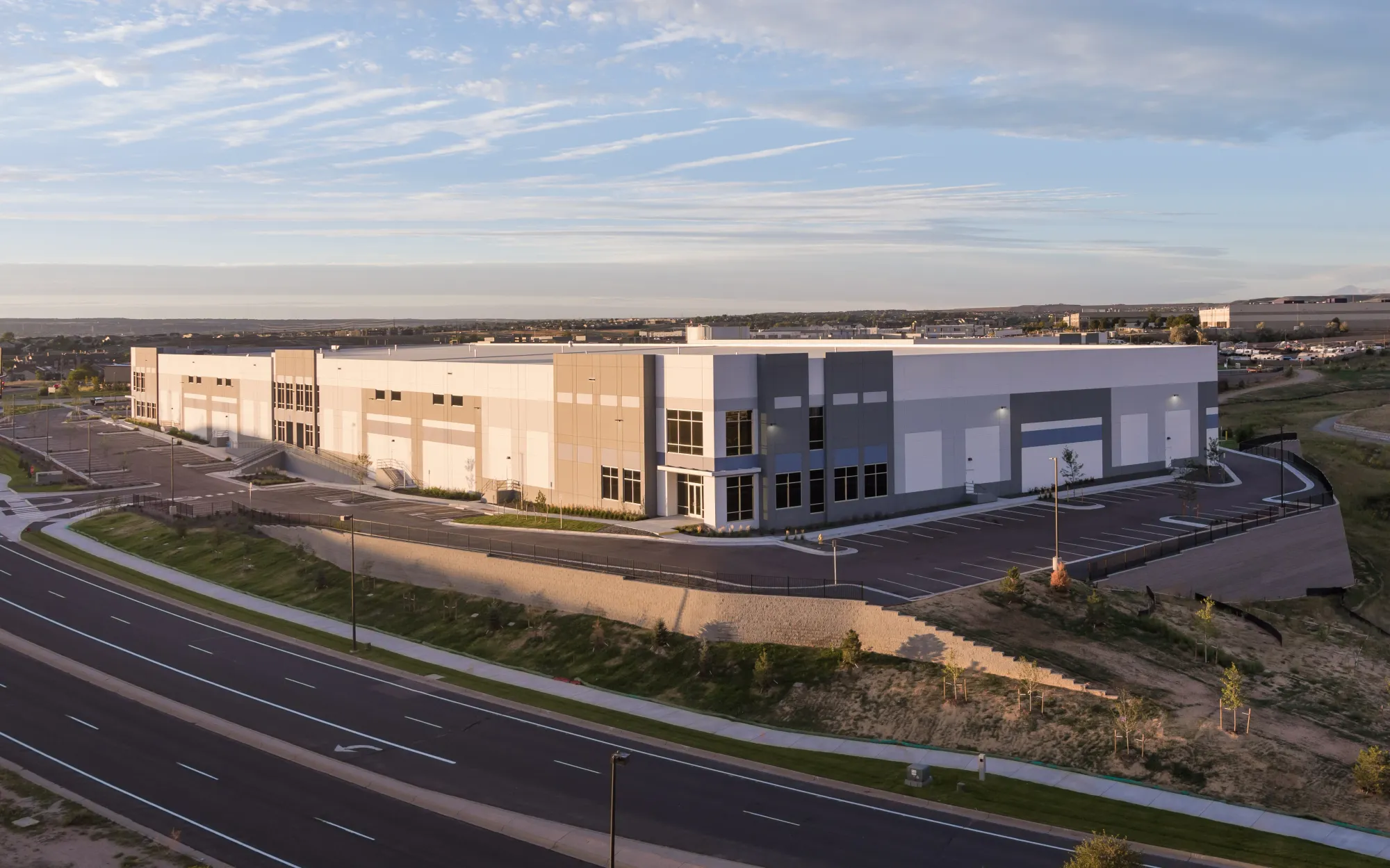

Commercial electricity demand in Virginia is rising at a pace that shows how quickly the digital economy is becoming an energy-sector issue. According to the U.S. Energy Information Administration, commercial electricity sales in Virginia increased by nearly 30 million megawatthours between 2019 and 2025, with growth largely driven by the state’s concentration of data centers, along with electric vehicle adoption and building electrification.
This matters because data centers are no longer a small or isolated load category. Cloud computing, artificial intelligence, enterprise software, streaming, financial platforms, and digital services all depend on large computing campuses. As AI workloads expand, the electricity needed to power and cool these facilities is becoming a major factor in utility planning.
Virginia is at the center of this shift. The EIA notes that PJM’s Dominion zone, which covers Virginia, serves the largest concentration of data centers in the world. The region has become a data center hotspot because of its fiber connectivity, land availability, and existing power infrastructure.
The challenge is not only annual electricity consumption. Utilities must also manage peak demand, which refers to the highest level of electricity load during a specific period. Peak demand matters because utilities and grid operators must have enough resources, reserves, transmission capacity, and operational flexibility to serve customers during the most stressful hours of the year.
In PJM’s Dominion zone, summer peak load reached 23,905 MW in 2025, which was 23% higher than in 2019. Winter peak load reached 25,413 MW in the 2025–26 winter season, up 45% from the 2019–20 winter season. EIA also reported that nearly all of the top 50 peak hourly loads in the Dominion zone between 2019 and 2025 occurred in 2024 or 2025.
These figures show why data center demand is becoming a planning challenge for utilities. A steady increase in electricity sales is already difficult to manage, but fast-rising peak demand can be even more complex. Grid operators must prepare for short periods when demand surges, even if those peaks last only minutes or hours.
PJM expects the Dominion zone to see the largest absolute increase in summer peak demand from 2026 through 2030 among its transmission zones, largely because of data center load growth. EIA also noted that PJM expects peak summer load in the zone to grow at an average of 5.4% per year over the next 10 years.
For the energy sector, the Virginia example is a warning and an opportunity. Utilities will need stronger load forecasting, faster grid upgrades, more demand response, energy storage, and better coordination with large power users. Data center developers will also face more pressure to think about where they build, how they procure power, and how flexible their operations can be during grid stress.
The rise of AI makes this even more important. AI data centers can require large amounts of reliable power, and their growth can move faster than traditional grid-planning cycles. That creates a mismatch between digital infrastructure expansion and physical energy infrastructure development.
EnergyInsyte Take
Virginia shows that AI and data centers are now part of mainstream electricity-demand planning. The energy transition is no longer only about replacing fossil fuels with renewables. It is also about serving new demand from digital infrastructure without weakening reliability or affordability. For utilities, regulators, and data center operators, the next challenge is clear: power growth must be planned with the same urgency as compute growth.
Source link: EIA.