
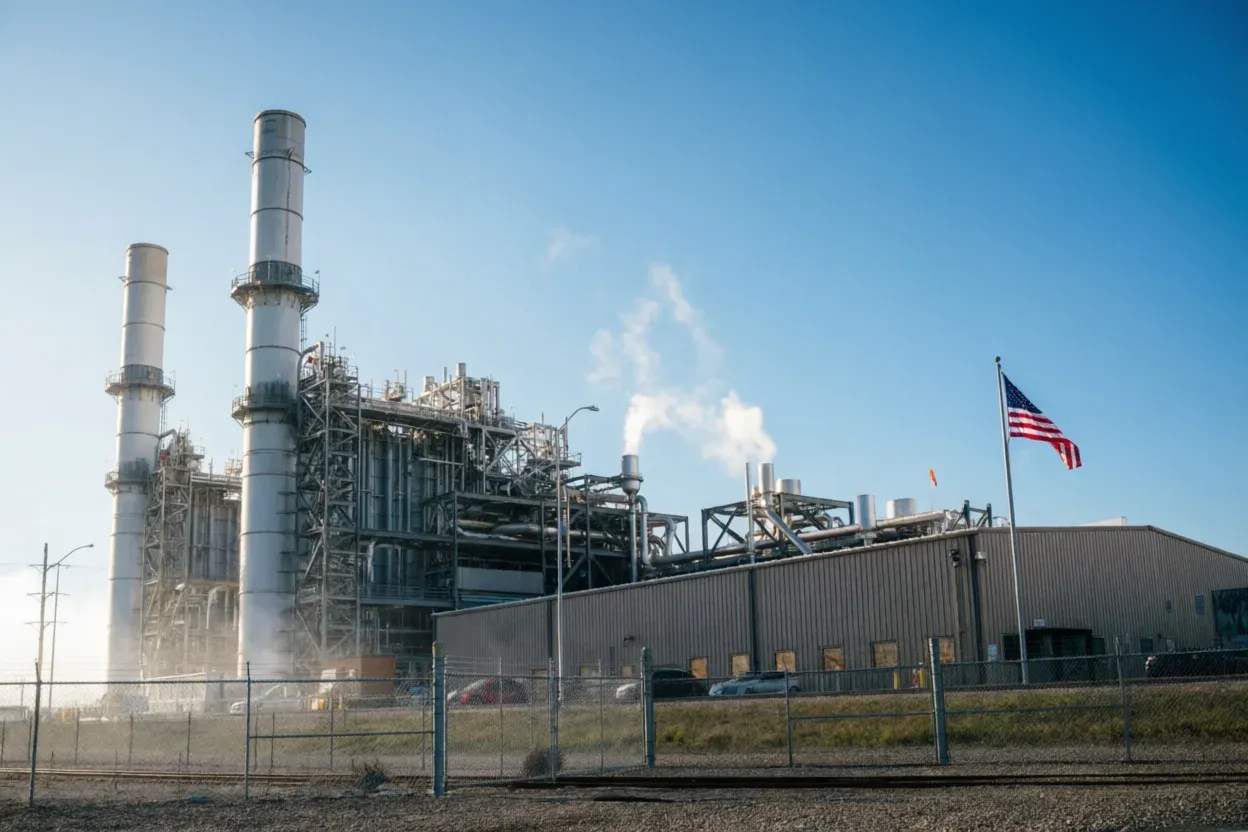
The prevailing energy transition narrative often suggests that renewables and batteries will eventually push natural gas into the background of the American power system. However, the actual evolution of the U.S. grid reveals a much more complex reality for energy executives and grid operators. While solar and wind output is growing rapidly and capturing larger shares of electricity generation, accelerating demand from data centers, electrification, and new manufacturing is reinforcing the role of gas. Driven by abundant domestic resources, massive existing infrastructure, and unparalleled operational flexibility, natural gas is positioned to remain a deeply embedded, indispensable foundation of the U.S. power architecture for the foreseeable future.
Abundant Reserves and Massive Infrastructure Primacy
The United States is currently awash in natural gas, a direct result of the shale revolution that transformed the nation into the world's leading producer. With massive reserves located in the Permian Basin, the Haynesville shale, and Appalachia's Marcellus and Utica formations, the country holds nearly 584 trillion cubic feet of proved reserves. This abundance provides a domestically produced, relatively inexpensive resource that enhances energy security for utilities and policymakers alike. Beyond the fuel itself, the U.S. benefits from a massive, pre-existing infrastructure network that cannot be replicated overnight.
Decades of investment have resulted in an extensive system of pipelines, storage facilities, processing plants, and power stations. The country already possesses hundreds of gigawatts of gas-fired generating capacity and a pipeline network capable of moving fuel across nationwide markets. This represents trillions of dollars in accumulated capital. While renewable generation can be deployed relatively quickly, replacing the reliability services provided by this existing gas system would require enormous additional spending on transmission lines, storage capacity, and alternative dispatchable technologies. In current energy markets, these established assets provide a level of economic inertia that makes gas difficult to displace.
Operational Flexibility Amidst Rising Demand
The strongest argument for the continued dominance of natural gas is its unmatched operational flexibility. Electric grids require a constant, second-by-second balance between supply and demand. While solar and wind are increasingly cheap, they are intermittent; solar production fades every evening, and wind output fluctuates unpredictably. Gas-fired power plants, particularly modern turbines and combined-cycle facilities, act as the grid's essential shock absorbers. They can ramp output rapidly to fill gaps left by weather-dependent renewables, providing reliable power during extreme heat, frigid winter weather, or unexpected supply disruptions.
This need for flexibility is actually being driven by the success of renewable energy. As more intermittent wind and solar enter the system, grid operators require resources that can respond to steep evening demand ramps or extended periods of low renewable output. Furthermore, the U.S. grid is facing a surge in electricity demand not seen in decades. The rise of artificial intelligence infrastructure, data centers, semiconductor manufacturing, and industrial reshoring is forcing utilities to find generation that can be deployed quickly and operate at high utilization rates. Because nuclear projects face long timelines and transmission projects face permitting hurdles, gas remains the most practical solution for immediate reliability.
Key Takeaways
- The U.S. holds nearly 584 trillion cubic feet of proved natural gas reserves across major regions like the Permian Basin and Appalachia.
- Natural gas provides critical grid flexibility, acting as a "shock absorber" to balance the intermittency of solar and wind power.
- Rapidly growing electricity demand from data centers, AI, and industrial reshoring is increasing the need for reliable, dispatchable generation.
EnergyInsyte's Take
In our view, the conversation around the energy transition must move past the binary choice of "renewables vs. gas" and recognize the functional synergy currently defining the U.S. grid. The data suggests that natural gas is not a competitor to renewables, but rather their essential partner in maintaining system stability. As the penetration of intermittent solar and wind increases, the economic and operational value of gas-fired flexibility actually rises. For C-suite decision-makers, this signals that capital deployment strategies should account for a long-term, dual-track reality: while renewable capacity will grow, the existing trillions of dollars in gas infrastructure and the immediate need for dispatchable power to support AI and industrial load growth make natural gas a permanent fixture of the energy landscape. Reliability remains non-negotiable, and gas is currently the only resource capable of meeting that requirement at scale.
Questions & Answers
How does the growth of renewable energy impact the strategic value of natural gas assets?
Counter-intuitively, the increase in solar and wind generation enhances the value of natural gas. Because renewables are intermittent, grid operators require the rapid ramping capabilities of gas-fired turbines to manage evening demand spikes and periods of low wind or solar output, making gas a necessary partner for grid stability.
What specific demand drivers are accelerating the need for reliable, dispatchable power?
The U.S. grid is experiencing a significant shift toward sustained load growth driven by the expansion of data centers, artificial intelligence infrastructure, semiconductor manufacturing, industrial reshoring, and the electrification of transportation.
Why is natural gas preferred over nuclear or large-scale storage for immediate reliability needs?
Natural gas benefits from mature supply chains, established operating experience, and existing infrastructure. In contrast, nuclear projects often face long construction timelines, transmission projects face significant permitting delays, and large-scale battery storage remains expensive for meeting multi-day backup requirements.
What role does domestic resource abundance play in the long-term outlook for gas?
The U.S. is the world's leading natural gas producer, with nearly 584 trillion cubic feet of proved reserves. This domestic abundance provides a cost-effective and secure energy source, insulating U.S. utilities from the energy security risks faced by countries reliant on fuel imports.
Source: REUTERS