Ampowr and Indonesia’s Ministry of Villages and Development of Disadvantaged Regions (Kemendes PDT) have signed a Memorandum of Understanding (MoU) to launch a four‑village pilot that will demonstrate solar photovoltaic (PV), battery energy storage (BESS), and energy‑management software (EMS) in communities with limited or no reliable electricity. The pilot is positioned as the first step toward a staged rollout that could eventually cover up to 300 villages across the archipelago.
Ampowr‑Kemendes PDT MoU Launches Four‑Village Pilot
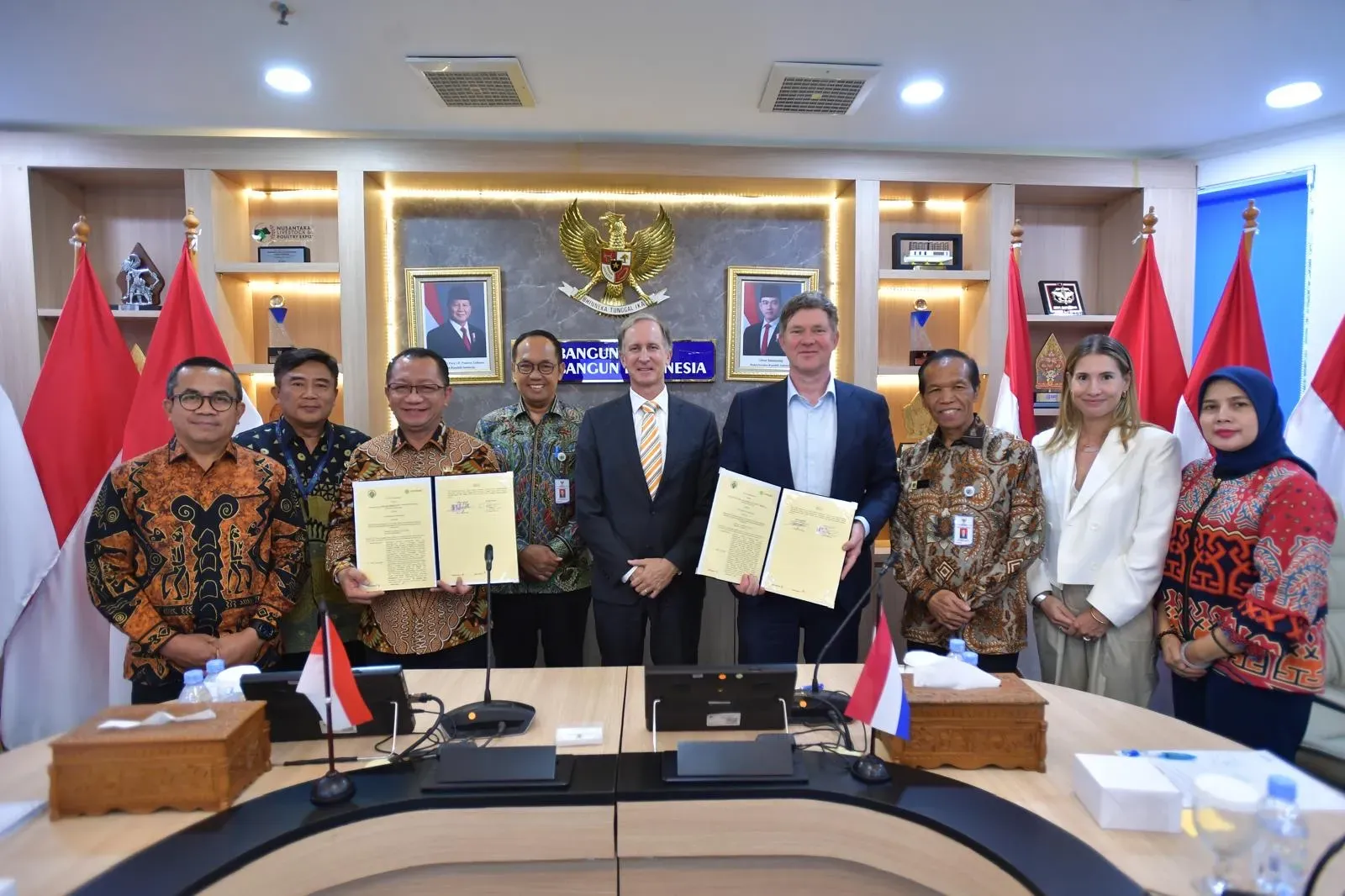
The MoU was signed in Jakarta by Kemendes PDT Secretary General Taufik Madjid and representatives of PT Ampowr IES Indonesia, Ampowr’s Indonesian entity. The agreement builds on Ampowr’s existing sales presence in Jakarta and outlines a three‑stage pathway: validate the model in four villages, expand to 300 villages, and ultimately support nationwide electrification of unelectrified villages. Indonesia has 75,266 villages, many of which either lack electricity entirely or receive power for as few as eight hours per day.
Ampowr will supply solar PV panels, BESS units, and its Cosmos EMS, which coordinates generation, storage, and backup supply to provide continuous power. Under the full‑stack model, Ampowr integrates the hardware, operates the software, and maintains the assets under a single contract—mirroring its approach in the Netherlands.
Strategic Relevance for Rural Energy Access
The pilot targets critical services such as clinics, schools, and agricultural processing that depend on reliable power. Co‑CEO Eric van Honk emphasized that “accessible electricity is the foundation for everything a village needs to grow,” citing cold‑chain medical supplies, after‑dark schooling, and harvest protection as immediate use cases. By delivering a replicable model, the partnership aims to give the government, communities, and long‑term investors a trusted framework for scaling rural electrification.
The MoU also aligns with United Nations Sustainable Development Goals 7 (affordable and clean energy), 4 (quality education), 3 (good health and well‑being), and 2 (zero hunger). Capacity‑building components are included to enable villages to operate their own systems and develop local energy enterprises.
Investment and Implementation Outlook
Following the signing, Ampowr and Kemendes PDT will conduct a feasibility study before any hardware is installed in the pilot villages. The study will assess site suitability, grid‑service integration potential, and financing structures. While the MoU does not disclose funding sources or timelines for the feasibility phase, the involvement of H.E. Marc Gerritsen, Ambassador of the Kingdom of the Netherlands to Indonesia, Timor‑Leste, and ASEAN, suggests diplomatic support that could facilitate access to Dutch or multilateral financing.
Ampowr’s full‑stack approach, which bundles hardware, software, and long‑term maintenance, is intended to simplify procurement and reduce operational risk for rural utilities and development agencies.
Key Takeaways
- Ampowr and Indonesia’s Ministry of Villages signed an MoU to pilot solar‑PV, BESS, and Cosmos EMS in four villages, with a roadmap to expand to 300 villages.
- The pilot addresses villages that receive as little as eight hours of electricity per day, aiming to provide continuous power for clinics, schools, and agricultural activities.
- A feasibility study will be completed before implementation, and the project aligns with UN SDGs 7, 4, 3, and 2.
EnergyInsyte's Take
The MoU offers a concrete, technology‑focused pathway for scaling reliable, clean electricity in Indonesia’s most underserved communities. Executives should monitor the outcomes of the feasibility study and any financing arrangements, as these will determine the speed and scale of rollout. The pilot’s success could shape future procurement models for rural electrification across the region.
Source: Businesswire