ComEd announced that the Illinois Commerce Commission (ICC) has approved its proposal to launch a Scheduled Dispatch Virtual Power Plant (SDVPP) program, slated to begin in 2027. The initiative, shaped by the state’s Clean and Reliable Grid Affordability Act (CRGA), aims to increase battery‑storage capacity in northern Illinois and provide participating customers with incentives for dispatching stored energy during peak demand periods.
ComEd Receives ICC Approval for Scheduled Dispatch Virtual Power Plant
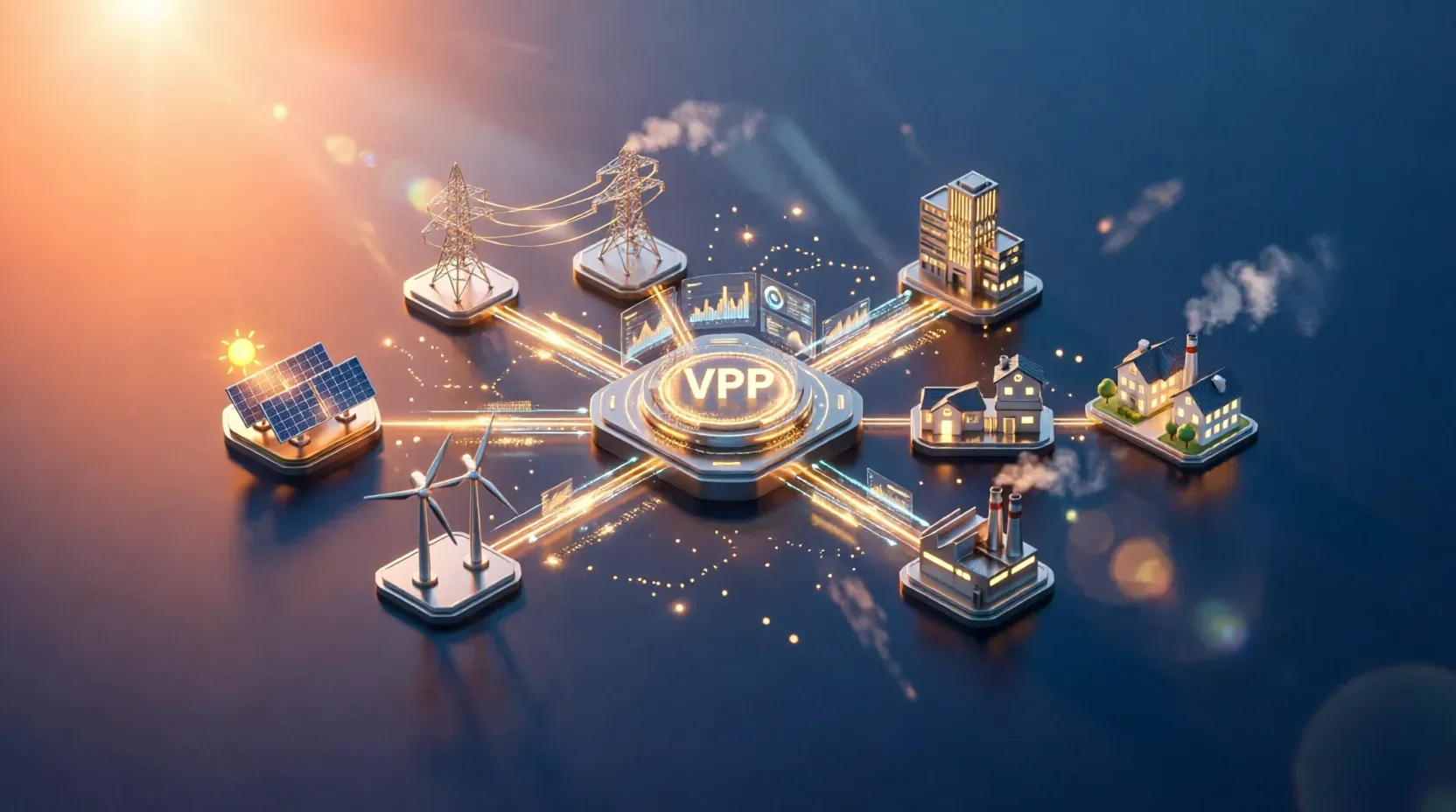
The ICC’s approval clears the way for ComEd to operate its first SDVPP, a virtual power plant that aggregates customer‑owned batteries and other distributed energy resources (DERs) to act as a single power source. Participants will be able to send stored energy back to the grid during pre‑defined, high‑stress intervals. ComEd expects the program to be available to customers in 2027.
Andrew Plenge, vice president of strategy and energy policy at ComEd, said the program “is an important step in bolstering the potential of customer‑sited energy resources to make the grid more resilient during periods of peak demand while helping customers receive additional value for their support at a time when supply costs are rising.”
Policy Framework Under Illinois Clean and Reliable Grid Affordability Act
The SDVPP is a direct response to the CRGA, which directs utilities to expand DER participation to improve grid affordability and reliability. Under the act, ComEd’s proposal must increase battery‑storage availability across northern Illinois and, by 2029, expand to include other DERs such as electric vehicles.
Will Kenworthy, Midwest Regulatory Director at Vote Solar, noted that the program “is exactly what Illinois lawmakers intended when they passed the Clean and Reliable Affordable Grid Act… a model for how the clean energy transition can save people money.”
Implications for Grid Reliability and Customer Incentives
Virtual power plants are positioned as tools to manage rising electricity demand driven by economic development, data‑center growth, electrification, and extreme weather. By dispatching stored energy during peak periods, the SDVPP can alleviate grid stress and potentially defer costly infrastructure upgrades.
ComEd’s broader DER strategy already includes more than $2.5 billion in incentives for energy‑efficiency projects and roughly 1.8 GW of connected distributed resources. The SDVPP adds a new revenue stream for customers with battery storage, rewarding them for contributing to resource adequacy and overall affordability.
Key Takeaways
- The Illinois Commerce Commission approved ComEd’s Scheduled Dispatch Virtual Power Plant program, with a target launch in 2027.
- The SDVPP is mandated by the Clean and Reliable Grid Affordability Act and will initially focus on battery storage, expanding to include electric vehicles by 2029.
- Participation will allow customers to earn incentives by dispatching stored energy during pre‑defined peak‑demand intervals, supporting grid reliability and potentially reducing future infrastructure costs.
EnergyInsyte's Take
The approval signals a concrete step toward integrating customer‑sited storage into Illinois’ bulk‑power system, offering utilities a flexible resource to meet peak demand without immediate capital‑intensive upgrades. Executives should monitor the program’s enrollment criteria and incentive structure, as these details will determine the scale of DER participation and the extent of cost‑deferral benefits. Uncertainties remain around the timing of the 2029 expansion and the actual amount of storage capacity that will be mobilized.
Source: Businesswire