Boom Supersonic is leveraging its aerospace engineering expertise to enter the energy infrastructure market, positioning its turbine technology as a solution for the growing power demands of AI data centers. The company announced the completion of its first "Sprint Core" turbine prototype and the development of a 2GW "Superpower Superfactory" in Centennial, Colorado. This strategic pivot aims to utilize the same core technology driving its Overture supersonic airliner to produce the Superpower, a 42-megawatt natural gas turbine. By integrating advanced manufacturing and digital foundry capabilities, Boom is attempting to bridge the gap between high-performance aerospace engineering and the urgent need for scalable, reliable power generation for large-scale computing facilities.
Sprint Core Testing and Superpower Production Targets
The company is moving into a critical testing phase this week as it ships its first fully assembled "Sprint Core" to a vertically integrated test site at the Colorado Air and Space Port in Watkins, Colorado. This prototype incorporates the compressor, combustor, and high-pressure turbine, representing the most technically complex elements of both the Superpower energy turbine and the Symphony engine designed for the Overture airliner. To capture high-fidelity performance data, the core utilizes more than 1,000 sensors, with the total test setup including approximately 2,000 sensors to monitor temperature, pressure, strain, timing, and vibration. Boom expects to fire the turbine for the first time before Thanksgiving.
Regarding commercial scaling, the Superpower Superfactory is already manufacturing turbine parts while construction continues on the full facility. The company has set ambitious production milestones for its 42-megawatt natural gas turbines: reaching an annual capacity of 1GW (25 turbines) by 2028 and scaling to 2GW (50 turbines) by 2029. While the factory is expected to be fully operational by early 2027, the company intends to begin shipping its first single-crystal components in 2027, with initial customer deliveries for the complete Superpower turbines targeted for mid-2027.
$150M Centennial Facility and Digital Foundry Integration
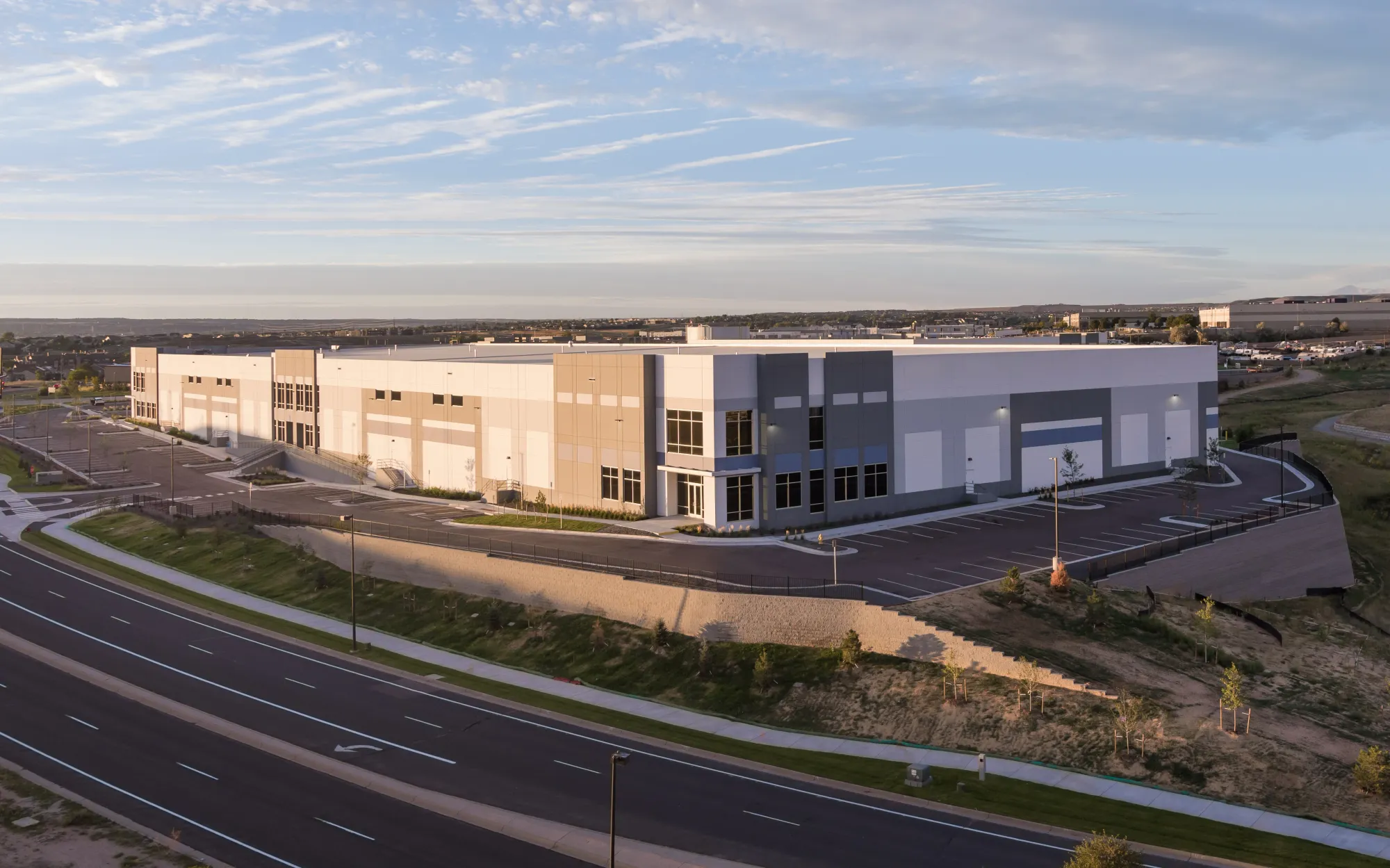
The $150 million investment in the Superpower Superfactory spans nearly 200,000 square feet across two buildings in the South Denver area. This facility is designed to manufacture components that represent approximately 85% of the final product's mass, including blisks, blades, vanes, shafts, and cases. The production floor is planned to house more than 75 large-format CNC and coordinate-measuring machines. By bringing these processes in-house, Boom aims to reduce the lead time for design changes from months to hours or days, bypassing the traditional delays associated with external supplier schedules.
Central to this manufacturing strategy is the development of an all-digital single-crystal foundry within the Superfactory. This foundry is intended to cast advanced turbine blades and vanes from custom superalloys using a toolless, all-digital process. Boom is positioning this capability to allow for rapid iteration of components that must endure sustained high temperatures. Furthermore, the company highlights that this digital infrastructure is designed for dual-use applications; the manufacturing processes can reportedly pivot from civilian energy production to defense production rapidly through software changes, requiring little to no physical retooling.
Key Takeaways
- Boom Supersonic is developing the Superpower, a 42-megawatt natural gas turbine specifically designed for AI data centers.
- The company plans to scale production to 1GW (25 turbines) annually by 2028 and 2GW (50 turbines) by 2029.
- A $150 million investment in the Centennial, Colorado Superfactory will support the manufacturing of components representing 85% of the turbine's mass.
EnergyInsyte's Take
In our view, Boom Supersonic’s move into the energy sector represents a calculated attempt to de-risk its aerospace ambitions by tapping into the massive, immediate capital flows surrounding AI infrastructure. By applying supersonic engine technology to 42-megawatt natural gas turbines, the company is not just diversifying its revenue; it is attempting to solve a specific bottleneck in the data center market: the need for high-density, reliable, and rapidly deployable power. The emphasis on a "toolless" digital foundry and a dual-use manufacturing model suggests that Boom is prioritizing agility and high-margin defense readiness alongside its energy goals. However, the success of this strategy hinges on whether an aerospace-centric engineering team can navigate the different regulatory, reliability, and long-term service requirements of the utility and data center sectors. If they succeed, they create a highly efficient, vertically integrated loop between flight and power.
Questions & Answers
How does Boom Supersonic plan to scale the production of its Superpower turbines?
The company intends to reach an annual production rate of 1GW, or 25 turbines, by 2028. This is expected to scale further to 2GW, or 50 turbines, per year by 2029.
What role does the digital foundry play in the Superpower manufacturing process?
The planned all-digital single-crystal foundry will allow Boom to cast advanced turbine blades and vanes from custom superalloys using a toolless process. This is intended to shorten the time required to move from a new blade design to a physical part ready for testing.
Can the Superpower Superfactory be used for purposes other than energy production?
Yes. Boom states that the Superfactory and its digital foundry can pivot to defense production rapidly through software changes, allowing the infrastructure to serve both civilian and defense needs with little to no retooling.
What is the technical significance of the "Sprint Core" prototype?
The Sprint Core is a prototype that integrates the compressor, combustor, and high-pressure turbine. It is equipped with approximately 2,000 sensors to provide the data necessary to calibrate engineering tools and optimize the final Superpower design.
Source: Boom Supersonic