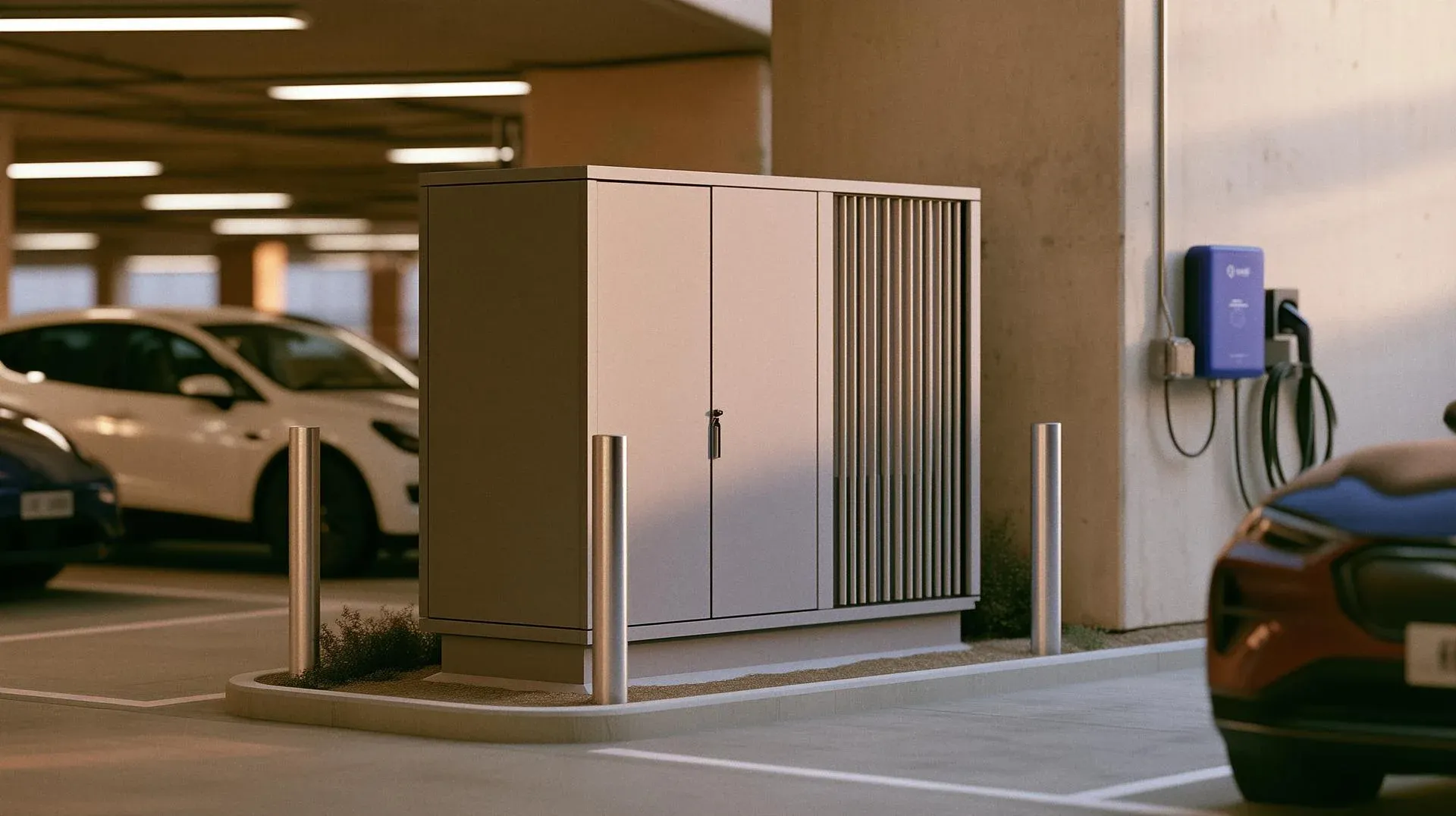
The rapid expansion of AI infrastructure is hitting a critical bottleneck as power availability replaces capital and silicon as the primary constraint for data center deployment. To address this, Emerald AI, Google, and NVIDIA have launched the AI Energy Management Alliance (AEMA), a coalition designed to transform data centers into flexible grid assets. By dynamically adjusting power consumption during peak stress, the alliance aims to accelerate interconnection timelines and improve grid reliability while protecting energy affordability for local communities.
AEMA Founding Members and Launch Partners
The AI Energy Management Alliance (AEMA) is led by founding members Emerald AI, Google, and NVIDIA, representing a cross-section of the AI technology stack. The coalition is supported by 18 launch partners, including semiconductor and AI leaders such as Anthropic and Analog Devices, alongside major utility and power entities like National Grid, AES, RWE, Constellation, and NRG. This membership structure seeks to bridge the gap between high-growth computing demand and the rigid constraints of existing electricity markets.
The alliance plans to advocate for technology-neutral, performance-based standards that evaluate data centers based on measurable grid reliability metrics. To achieve this, AEMA will promote the use of diverse demand management technologies, including colocated generation, energy storage, and computational flexibility. By championing policies that recognize flexible AI demand, the group intends to help data center operators connect to the grid faster and at a greater scale than traditional, static interconnection processes currently allow.
Addressing Grid Interconnection and Power Constraints
As the United States scales its data center footprint, the alliance identifies traditional grid interconnection processes as a significant barrier to deployment. These processes were designed for flat, static electricity demand and are often too slow to accommodate the surge in power required by modern AI workloads. AEMA is positioning flexible, grid-enhancing data centers as a solution to unlock capacity on the existing, often underutilized, power grid.
The coalition's strategy focuses on making data centers "good citizens" of the grid by allowing them to respond dynamically to grid needs. This approach aims to provide relief during periods of peak stress, potentially reducing the need for ratepayers to fund new capacity. By utilizing existing infrastructure more efficiently through intelligent energy management, AEMA suggests that the industry can maintain American competitiveness in AI innovation without compromising the reliability or affordability of the broader electricity system.
Key Takeaways
- Emerald AI, Google, and NVIDIA are the founding members of the AI Energy Management Alliance (AEMA).
- The alliance includes 18 launch partners, including utility leaders such as National Grid, AES, RWE, Constellation, and NRG.
- AEMA aims to utilize demand management technologies like colocated generation and storage to enable flexible AI data center power draw.
EnergyInsyte's Take
In our view, the formation of AEMA signals a strategic pivot in how the technology sector approaches the energy transition. Rather than viewing the grid solely as a resource to be consumed, AI leaders are now attempting to integrate themselves into the grid's operational logic. This move is a pragmatic response to the reality that power, not hardware, is the ultimate limit on AI scaling. By advocating for performance-based standards and flexible demand, these companies are attempting to bypass the sluggishness of traditional interconnection queues. If successful, this could redefine the data center from a passive load into a critical tool for grid stability.
Questions & Answers
How does AEMA intend to accelerate data center interconnection?
AEMA plans to promote accelerated interconnections by advocating for policies that recognize and value flexible AI demand. The alliance intends to use demand management technologies—such as computational flexibility, storage, and colocated generation—to allow data centers to dynamically respond to grid needs, making them more compatible with existing infrastructure.
Which industries are represented within the AEMA membership?
The alliance convenes a broad value chain, including AI platforms, semiconductor leaders, AI infrastructure firms, data center operators, and power utilities or grid operators. Founding members include Google and NVIDIA, while partners include both tech firms like Anthropic and utilities like National Grid.
What is the primary technical goal of the alliance's data center model?
The goal is to develop "flexible AI data centers" that can dynamically adjust their power draw. This capability is intended to provide relief to the electricity grid during periods of peak stress, effectively turning data centers into assets that support grid reliability rather than just increasing static load.
How does AEMA address the issue of energy affordability for ratepayers?
AEMA aims to promote more efficient use of the existing power system through smarter demand management. By making more effective use of current infrastructure and reducing the need for new capacity, the alliance suggests it can help protect communities from rising electricity bills.
Source: Businesswire