Xeal is attempting to bypass the primary bottleneck in AI scaling—grid interconnection—by repurposing underutilized electrical capacity at electric vehicle (EV) charging sites. The company has launched Laitent, a network designed to deploy edge inference compute by tapping into the idle power headroom found at existing charging locations. By utilizing more than 200MW of permitted, installed electrical infrastructure across 1,600+ properties, Xeal aims to provide low-latency compute without the multi-year delays typically associated with new data center construction or utility permitting. This strategy leverages the fact that most Level 2 EV charging sites operate at less than 10% of their permitted capacity, leaving significant energy reserves available for secondary industrial use.
Laitent Pod Deployment and NVIDIA Integration
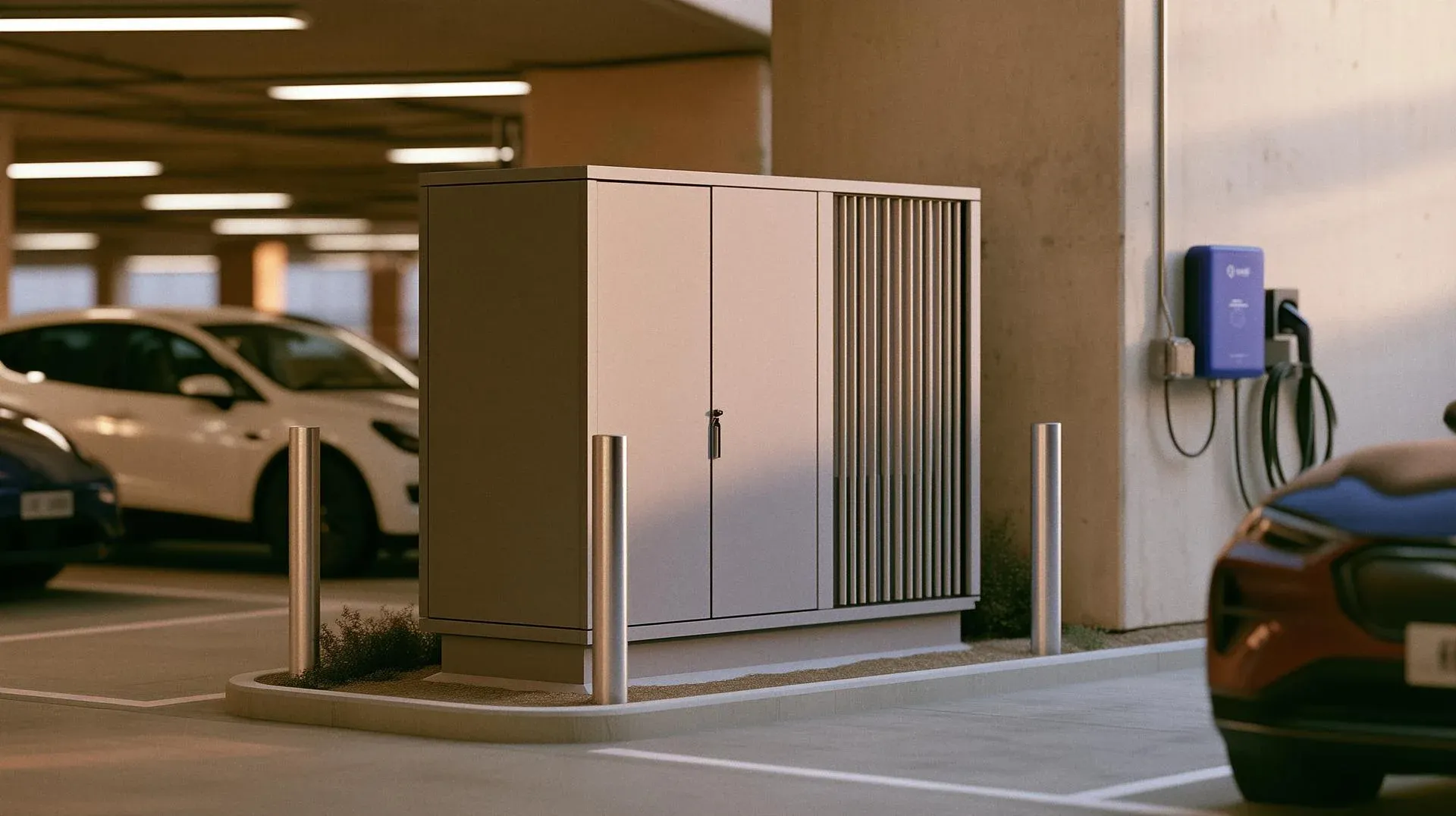
The Laitent architecture relies on modular "Pods" that are roughly the size of a single parking space. Each Pod is designed to house up to 48 NVIDIA Hopper or Blackwell Ultra GPUs, providing a localized compute resource within metropolitan areas. To manage this distributed hardware, Xeal has secured a partnership with Rafay Systems to provide an AI infrastructure orchestration layer, which the company claims will allow operators to manage these sites with hyperscaler-level tools. Additionally, Spectrum Business will supply dedicated enterprise-grade fiber to support the high-bandwidth requirements of inference workloads.
Xeal, a member of NVIDIA Inception, intends to deploy more than 100,000 NVIDIA GPUs alongside its charging infrastructure. The company is positioning these Pods as a solution for "Metro Edge" environments, targeting sub-20ms latency by placing compute closer to end-users than traditional, centralized data centers. The hardware is housed in NEMA 4 enclosures built for outdoor durability and utilizes independent cooling systems that require no water hookups. The first Laitent Pod is scheduled to go online with partner JVM Realty by the end of 2026. While the initial rollout targets the existing 200MW footprint, Xeal states it plans to eventually unlock over 1GW of headroom across its real estate and EV charging deployments.
Bypassing Grid Interconnect via Idle Capacity
The strategic core of the Laitent project is the exploitation of "stranded" energy capacity. Because EV charging sites are permitted for a maximum electrical load that they rarely reach, Xeal intends to route the remaining 90% of that capacity to compute workloads via its dynamic power orchestration software. This approach allows the company to avoid the lengthy and complex process of seeking new grid interconnects, which often serves as the most significant hurdle for new data center developments. By utilizing already permitted and grid-connected sites, Xeal claims it can accelerate compute deployment timelines from years to months.
For property owners, Xeal is pitching the Pods as an ancillary revenue stream that requires little-to-no upfront investment, with the company stating the technology could add up to $1 million in property value. The Pods are designed for quiet operation, producing less than 65 decibels, which Xeal compares to the noise level of a washing machine. Furthermore, the company plans to cover all power bills as a tenant passthrough, potentially offering cost savings to existing EV charging customers. This model attempts to turn passive real estate into active, energy-aware AI infrastructure by integrating compute directly into the existing mobility and energy landscape.
Key Takeaways
- Xeal is leveraging over 200MW of permitted electrical capacity across 1,600+ properties to power its new Laitent edge inference network.
- The Laitent Pods are designed to house up to 48 NVIDIA Hopper or Blackwell Ultra GPUs in a single parking space without requiring water hookups.
- The company aims to scale its capacity from the initial 200MW to over 1GW of existing energy headroom across its deployments.
EnergyInsyte's Take
In our view, Xeal is executing a sophisticated arbitrage of electrical permitting. The most significant constraint on the current AI expansion is not just chip availability, but the physical ability to connect new loads to a strained power grid. By identifying the massive delta between permitted capacity and actual utilization at EV charging sites, Xeal is effectively "mining" existing utility permissions to bypass the queue for new interconnection. This is a clever, if localized, workaround to the data center capacity crisis. However, the success of this model depends entirely on the efficacy of their dynamic power orchestration software to balance the competing demands of EV charging and high-performance compute without compromising grid stability or user experience. If they can successfully manage this dual-use load, they have found a way to turn passive charging infrastructure into a high-margin digital asset.
Questions & Answers
How does Laitent address the primary delay in data center construction?
Laitent seeks to bypass the grid interconnect process by utilizing the unused 90% of permitted electrical capacity already available at existing EV charging sites. This allows the company to deploy compute using infrastructure that is already permitted and grid-connected.
What are the technical specifications for the Laitent Pod hardware?
Each Pod is approximately the size of a parking space, utilizes a NEMA 4 enclosure for outdoor use, and can contain up to 48 NVIDIA Hopper or Blackwell Ultra GPUs. The units feature independent cooling that requires no water hookups and operate at noise levels below 65 decibels.
What is the projected scale of Xeal's energy capacity utilization?
Xeal is starting with more than 200MW of permitted, installed electrical infrastructure across 1,600+ properties, but the company has stated plans to eventually unlock over 1GW of existing headroom.
How does the Laitent network impact latency for AI inference?
By positioning Pods in metropolitan "Metro Edge" locations, Xeal aims to offer sub-20ms latency, which is intended to be a significant speedup compared to inference performed in distant, centralized data centers.
Source: Businesswire