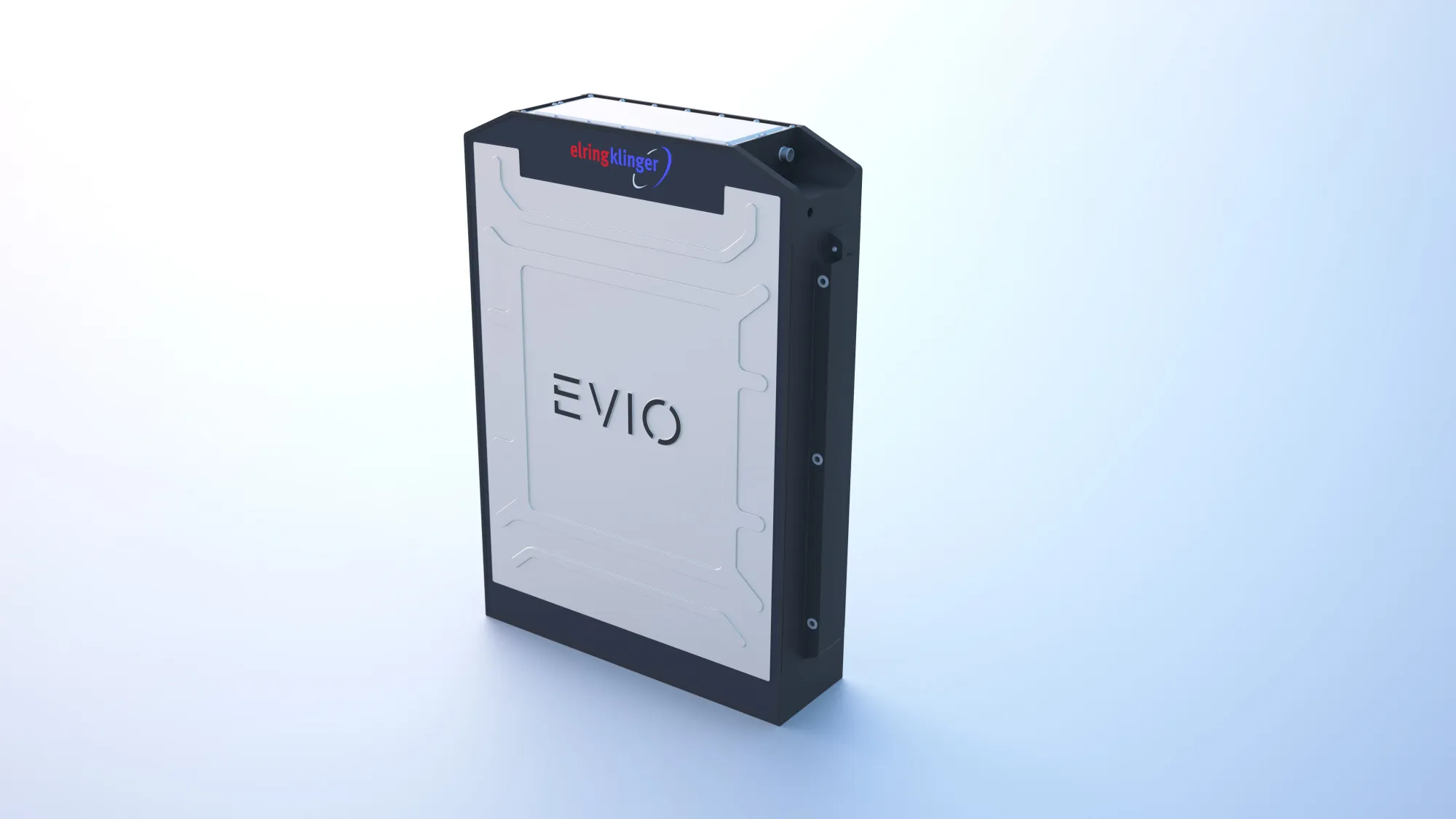
ESS Tech has signed a letter of intent for a strategic partnership with Alsym Energy to add 8.5 GWh of sodium-ion cells and modules to its energy storage portfolio. The deal is important because it moves ESS beyond its core long-duration iron-flow battery business and into the short- and medium-duration battery energy storage system market.
ESS is known for sustainable long-duration energy storage, particularly its Energy Base iron-flow systems designed for the 8–24 hour storage segment. Alsym Energy, meanwhile, develops non-flammable sodium-ion batteries intended for applications that have often been served by lithium-ion systems. Together, the companies are positioning the partnership as a way to offer customers a broader non-lithium storage portfolio across different duration needs.
The announcement matters because the battery storage market is becoming more diverse. Lithium-ion batteries continue to dominate many grid, commercial, and industrial storage projects because of their strong performance, established supply chains, and falling costs. But lithium-ion is not the perfect answer for every use case. Fire risk, thermal management, supply-chain exposure, mineral availability, and project-specific safety requirements are pushing energy buyers to consider alternatives.
That is where sodium-ion and iron-flow technologies can become more relevant. Sodium-ion batteries are attracting interest because they avoid lithium and can be designed for safer, non-flammable operation. ESS says the Alsym battery solution is designed to serve use cases traditionally handled by lithium-ion systems, including those where lithium may not be suitable, while avoiding the thermal-runaway risks associated with lithium chemistries.
The partnership also shows that storage providers are beginning to think less like single-chemistry vendors and more like full-service energy storage platforms. Different customers need different storage profiles. A utility may need long-duration storage to shift renewable generation across many hours. A commercial or industrial customer may need faster cycling and shorter-duration backup. A grid operator may need flexible systems for peak shaving, capacity support, or rapid response.
By combining Alsym’s sodium-ion technology with ESS’ systems expertise and iron-flow long-duration portfolio, ESS wants to offer customers a pathway beyond lithium-ion without sacrificing performance or economics. Randall Selesky, ESS’ Chief Commercial Officer, described the partnership as part of the company’s strategy to become a full-spectrum, non-lithium solutions provider for the wider energy storage market.
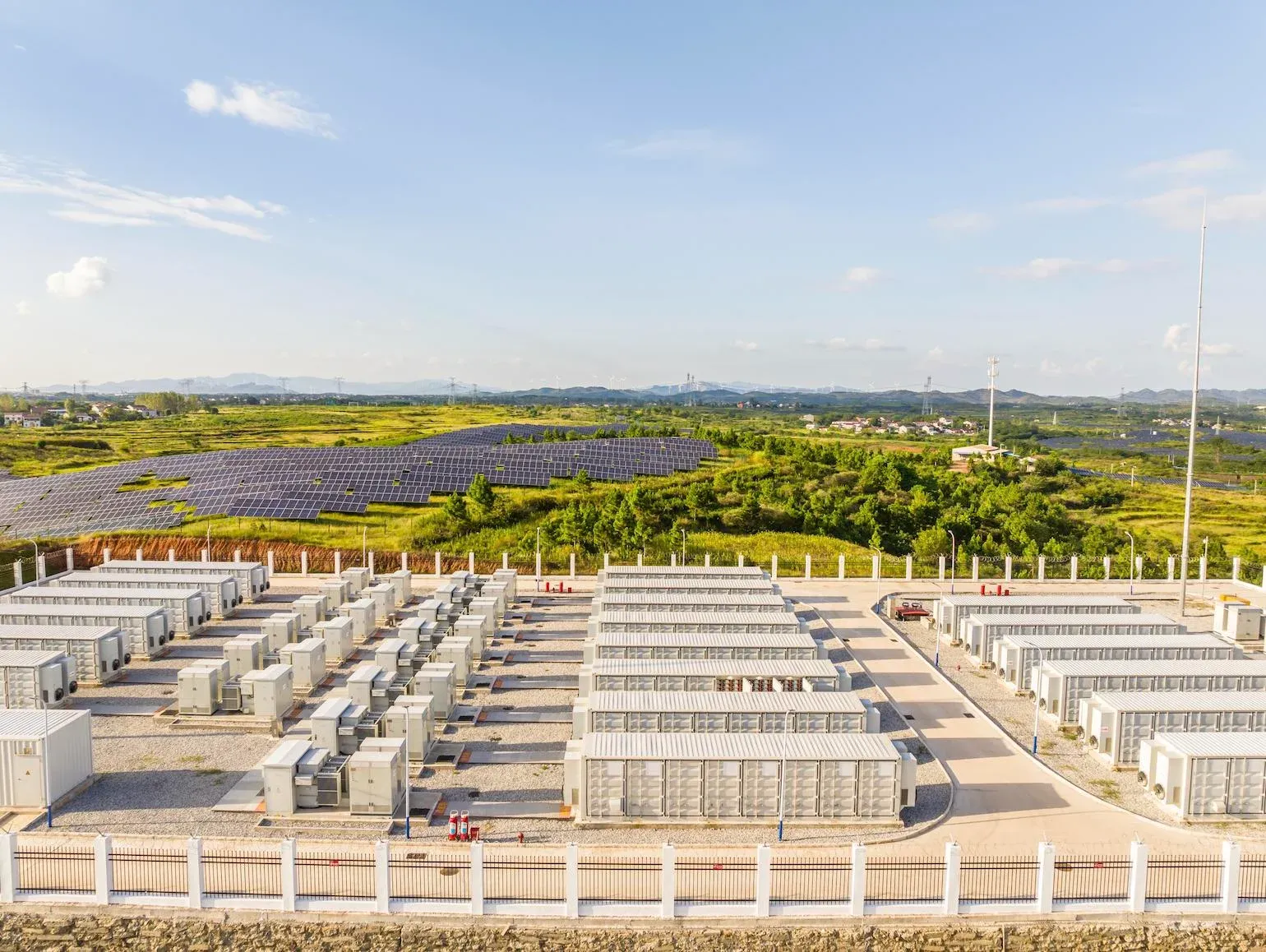
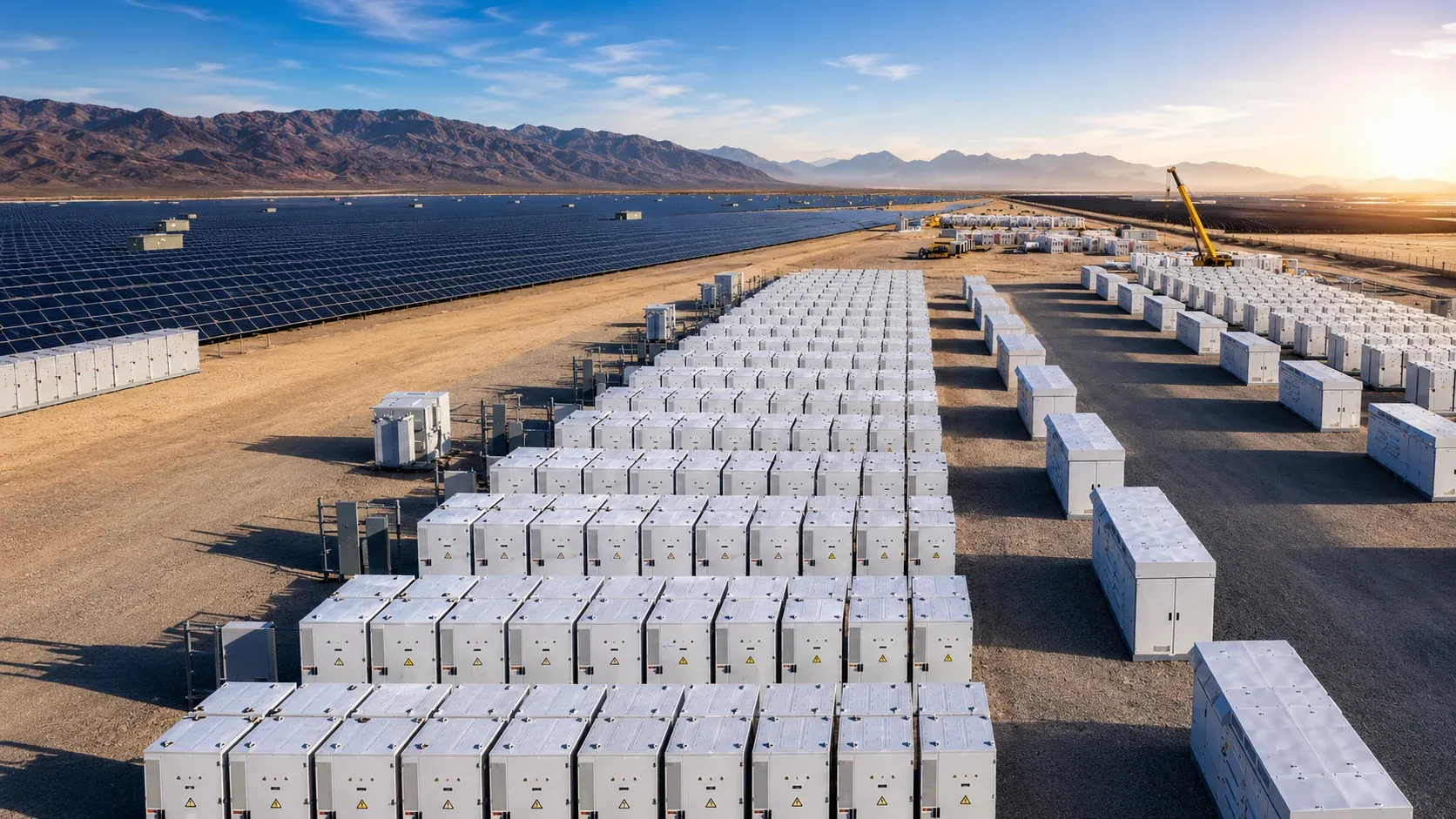
For the energy sector, the broader takeaway is that storage demand is no longer one-dimensional. The grid needs multiple types of batteries and storage systems because renewable integration, data center demand, electrification, and reliability planning are all increasing at the same time. A solar-plus-storage project, a data center resilience system, a utility long-duration project, and a commercial peak-shaving installation may each require a different storage design.
Non-lithium storage will not replace lithium-ion overnight. But it is becoming part of the serious storage conversation. As more renewables connect to the grid, developers and utilities will need safer, scalable, and more flexible battery options that can match the right chemistry to the right operational requirement.
EnergyInsyte Take
The ESS–Alsym partnership is a strong signal that the battery market is moving beyond a lithium-only mindset. The future of storage will likely be a portfolio market, where lithium-ion, sodium-ion, iron-flow, and other technologies each serve different duration, safety, cost, and reliability needs. For EnergyInsyte readers, the key point is simple: grid storage is becoming more specialized, and non-lithium batteries are gaining commercial relevance.
Source link: Business Wire