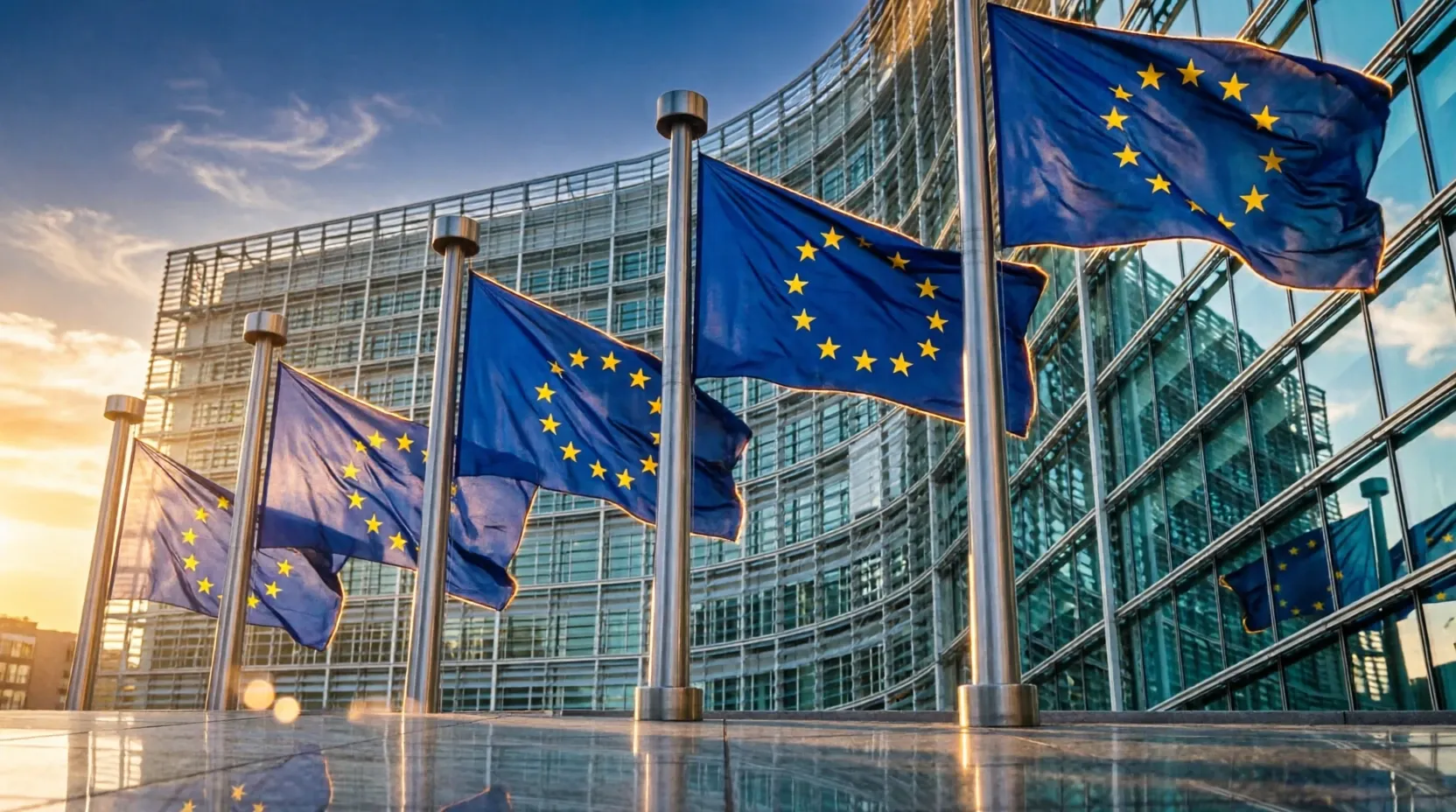
The European Commission has instructed EU governments to waive penalties for three years for oil and gas companies breaching its methane emissions law. This decision follows significant pressure from the U.S. government and industry groups. The move aims to prevent potential fuel supply disruptions as the regulation's enforcement requirements approach their scheduled January 2027 implementation date.
Three-Year Penalty Waiver for Methane Breaches
The Commission recommended that EU member states refrain from applying penalties to companies that breach methane regulations during 2027, 2028, and 2029. Originally, the law allowed for fines of up to 20% of a company's annual turnover for non-compliance. This temporary reprieve is intended to avoid supply disruptions in a volatile market. While the Commission's recommendation is not strictly binding, officials noted that national courts are obliged to consider it. This guidance provides a legal buffer, helping companies defend against claims that they should face financial penalties for failing to meet the strict emissions monitoring rules required for imported gas.
Global Energy Tightness and Policy Context
The decision to waive penalties is justified by the Commission due to global energy market tightness, specifically citing the ongoing blockade of the Strait of Hormuz. This blockade has disrupted a fifth of the world's oil and liquefied natural gas supply. Various entities, including the U.S., Qatar, and most EU member states, have demanded changes to the law, warning it could hamper Europe's ability to secure fuel. Although 17 member states, including Germany and the Czech Republic, requested a delay, the Commission chose to keep the law intact while only suspending the enforcement of fines. This approach maintains the world-first climate policy framework without immediate punitive risks.
Key Takeaways
- The penalty waiver applies specifically to breaches occurring in 2027, 2028, and 2029.
- Non-compliance with the original methane law could have resulted in fines up to 20% of annual turnover.
- The blockade of the Strait of Hormuz is cited as a primary driver for protecting energy supply stability.
EnergyInsyte's Take
In our view, this move signals a pragmatic, albeit controversial, prioritization of energy security over immediate climate enforcement. By waiving penalties rather than amending the law, the Commission is attempting a delicate balancing act: maintaining long-term regulatory standards while acknowledging the acute risks posed by the Strait of Hormuz blockade. This temporary reprieve provides much-needed operational breathing room for importers, but it also highlights the extreme vulnerability of European energy stability to geopolitical disruptions.
Source: https://www.reuters.com/