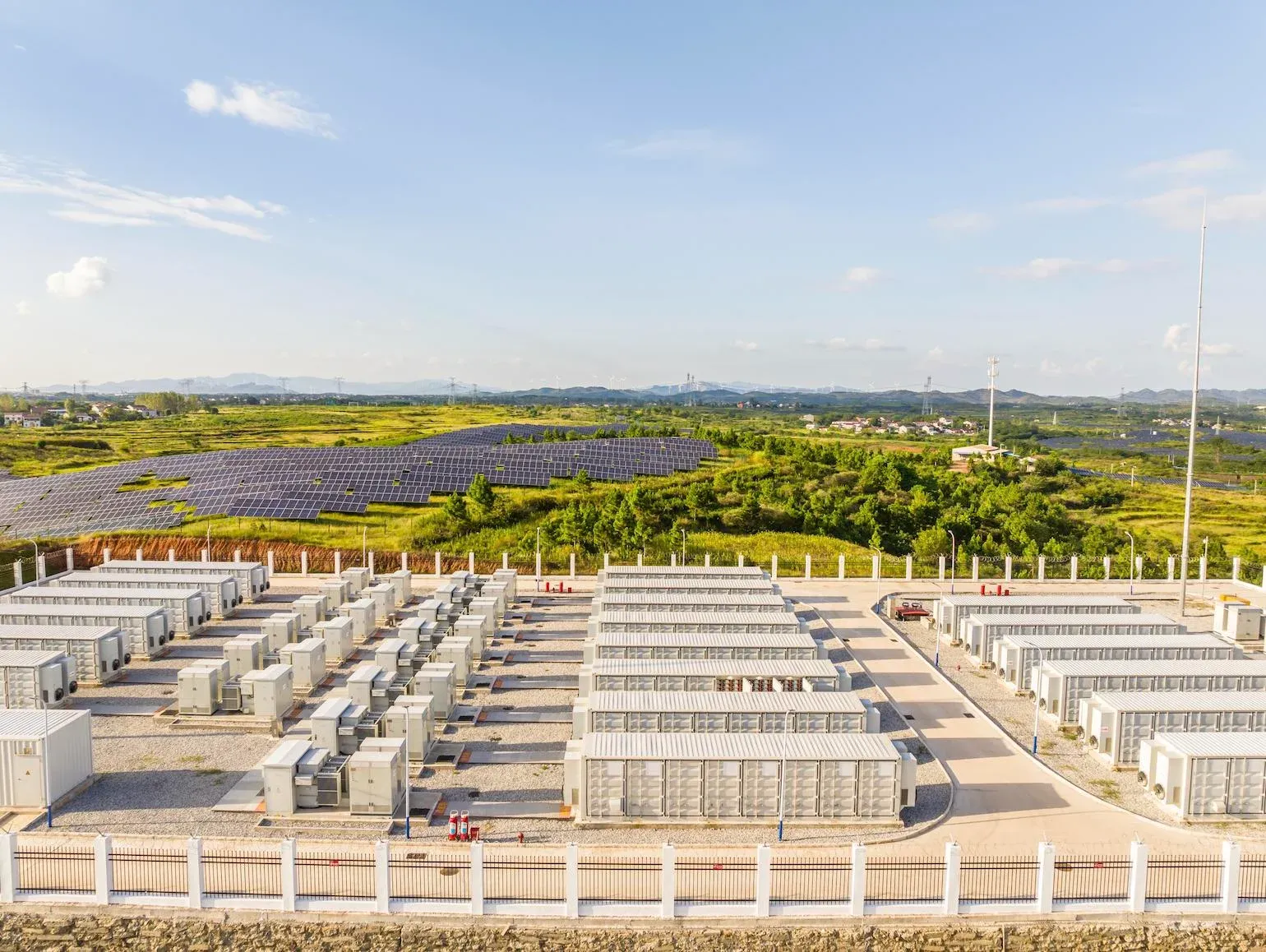
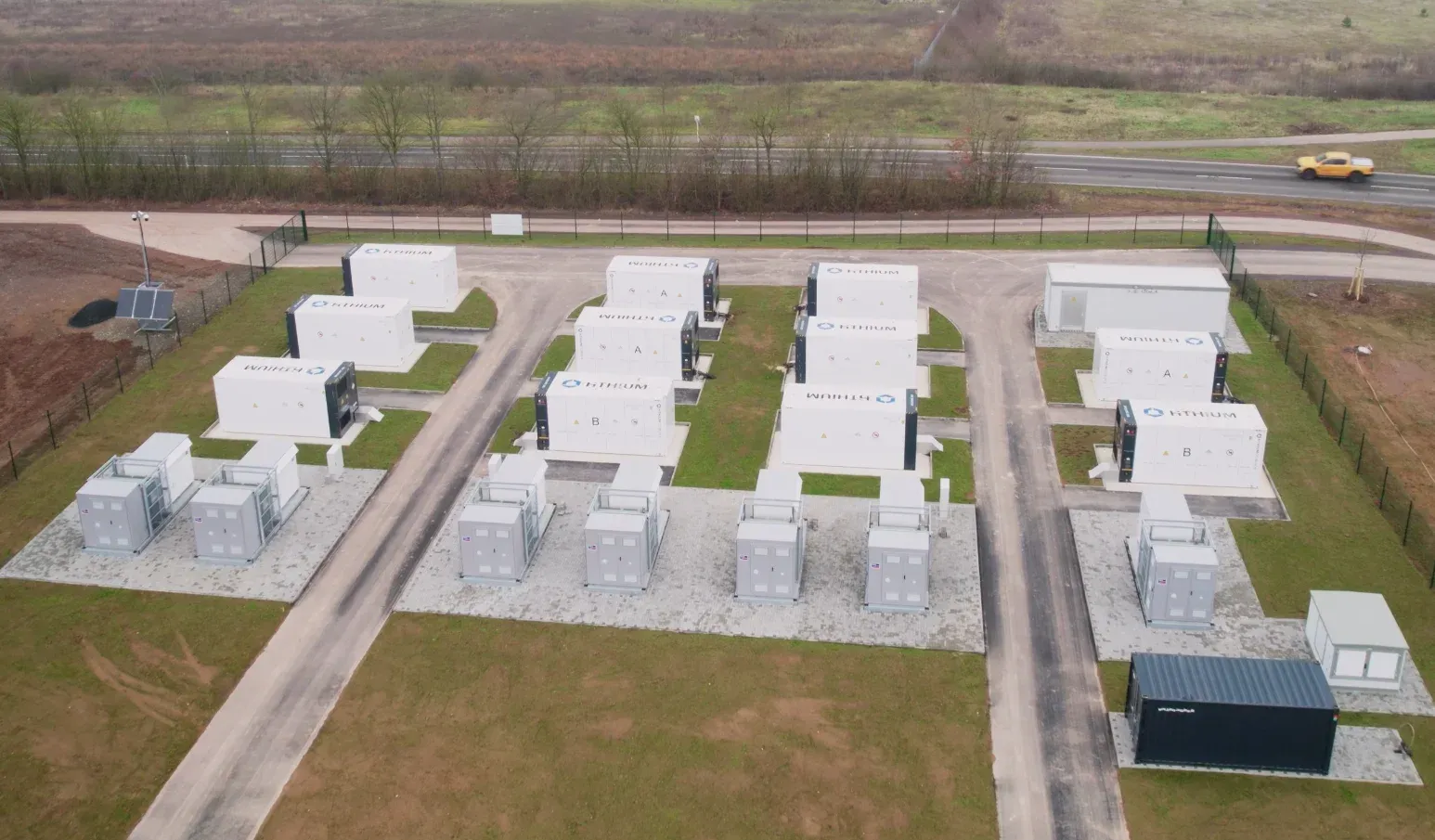
The Solar+ Report from SolarPower Europe shows the EU’s installed battery storage fleet will reach 40 GW and 77 GWh by the end of 2025, and could expand to 171 GW and 598 GWh by 2030. The growth underpins grid‑relevant storage that utilities and grid operators need to manage rising solar and wind output, a focus of the upcoming ees Europe exhibition in Munich (June 23‑25).
Solar+ Report Projects Massive Capacity Expansion
The Solar+ Report estimates a 45 % year‑over‑year increase in installed storage capacity for 2025, bringing total fleet size to 40 GW and 77 GWh of stored energy. The “Solar+ scenario” forecasts a four‑fold rise in power capacity to 171 GW and an eight‑fold rise in energy capacity to 598 GWh by 2030. To accommodate longer‑duration shifting, average storage duration is expected to grow from 1.9 hours to 3.5 hours. In 2025, 27.1 GWh of battery storage was installed, with 55 % belonging to private, subsidy‑free large‑scale BESS projects.
ees Europe Event Showcases Grid‑Relevant Technologies
Held in Munich from June 23‑25, ees Europe is Europe’s largest exhibition for batteries and energy storage systems. The show gathers roughly 2,800 exhibitors and over 100,000 decision‑makers, presenting market‑ready innovations such as AI‑driven storage management and sodium‑ion batteries. The accompanying ees Forum (hall C2) will discuss European law, while the ees Innovation Hub Stage (hall B0) will feature projects on AI in battery research, circular‑economy best practices, and strategies for a resilient European battery production sector.
Economic and Security Implications of Storage Growth
By shifting electricity across time, grid storage reduces negative‑price periods and protects the profitability of large solar investments. The report notes that during the first two months of the recent Middle East crisis, additional solar generation saved the EU €8.5 billion in gas import costs. The authors argue that expanding storage also lessens Europe’s exposure to geopolitical supply shocks. However, the report warns that “uncoordinated regulatory interventions in member states risk stifling this momentum.”
Key Takeaways
- The EU’s installed battery storage fleet is projected to reach 40 GW/77 GWh by end‑2025 and 171 GW/598 GWh by 2030, according to SolarPower Europe’s Solar+ Report.
- Average storage duration is expected to increase from 1.9 hours to 3.5 hours, enabling longer‑term electricity shifting.
- ees Europe (June 23‑25, Munich) will feature 2,800 exhibitors and over 100,000 decision‑makers, focusing on AI, sodium‑ion tech, and policy discussions to support the storage rollout.
EnergyInsyte's Take
The scale of projected storage capacity signals a clear path for utilities to address intermittency as solar and wind dominate the generation mix. Executives should monitor regulatory harmonisation across EU states, as fragmented rules could impede deployment despite strong market momentum. Keeping an eye on the technologies highlighted at ees Europe—particularly AI‑enabled management and sodium‑ion chemistries—will help inform investment and procurement strategies in the coming years.
Source: Businesswire