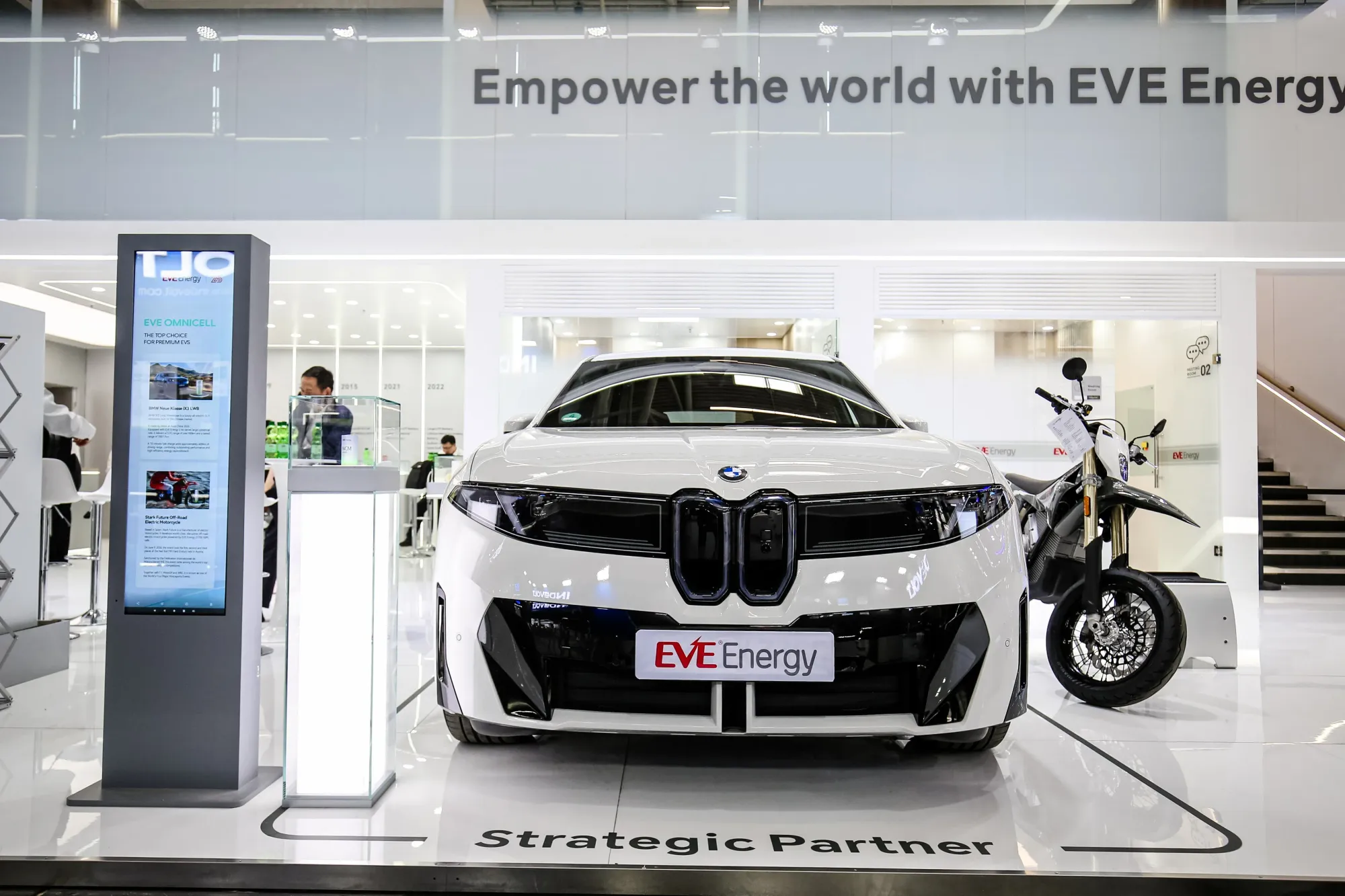
EVE Energy used the Smarter E Europe 2026 exhibition in Munich to announce a suite of moves aimed at deepening its foothold in the European market. The company unveiled its Mr. Big Family 6.9 + MWh storage system, highlighted its lithium‑sodium dual‑technology platform, and detailed progress on regulatory compliance, a new Hungarian battery plant, and a regional service network. For utilities, developers, and grid operators, the steps signal a more locally sourced supply chain and clearer pathways to meet the EU Battery Regulation.
EVE Energy Announces New Compliance Milestones and Product Launches
At the June 23‑25 trade show, EVE Energy presented the Mr. Big Family series and confirmed that it had received the world’s first TÜV SÜD Mark certificate for traction batteries under EU Battery Regulation 2023/1542 in December 2024. In September 2025 the firm launched a battery passport that records each cell’s lifecycle from raw material to recycling, and the Mr. Big Family series passed the regulation’s industrial battery conformity assessments. The company also said it has built carbon‑footprint accounting and supply‑chain traceability systems covering its entire battery portfolio, enabling fully compliant deliveries for both power and energy‑storage products.
Why EU Compliance and Local Production Matter to Energy Stakeholders
European customers at the exhibition emphasized that adherence to evolving EU standards is now a prerequisite for market access. By securing the TÜV SÜD Mark and deploying a battery passport, EVE Energy positions its products as ready for procurement by utilities and developers that must demonstrate regulatory compliance throughout a project’s lifecycle. The company’s Hungarian manufacturing base, a 450,000‑square‑meter facility near the BMW plant in Debrecen, will begin a 30 GWh annual production run in 2027. Localized production is intended to shorten lead times, cut cross‑border logistics emissions, and provide a stable supply of the 46‑series large cylindrical cells that power premium European EVs. The cells, featuring a full‑tab structure, silicon‑carbon anodes, and a steel‑shell rated to 550 MPa, have already been validated on BMW’s Neue Klasse iX3, delivering a 1,007.7‑km range and an extra ~400 km after a 10‑minute fast charge. For grid‑scale storage projects, the 6.9 + MWh Mr. Big Family system offers an “all‑scenario” solution that aligns with both storage and EV market demands.
Investment, Supply‑Chain, and Service Network Expansion
Beyond compliance and manufacturing, EVE Energy opened a European regional headquarters in Munich in June 2024, consolidating sales, warehousing, and after‑sales functions. The company now operates four Vendor Managed Inventory (VMI) warehouses staffed by localized technical teams, providing robust logistics across the continent. In 2024 it also introduced a CLS (Co‑development, License, Service) business model to enable co‑development, technology licensing, and technical services with regional partners. The Hungarian plant represents an investment of roughly €1.307 billion and is projected to create more than 1,000 jobs in Debrecen and surrounding areas, reinforcing the company’s long‑term commitment to European industrial development.
Key Takeaways
- EVE Energy earned the world’s first TÜV SÜD Mark certificate for traction batteries under the EU Battery Regulation in December 2024 and launched a battery passport in September 2025.
- The company’s 450,000 m² Hungarian manufacturing facility, backed by an estimated €1.307 billion investment, will start a 30 GWh annual production line in 2027, targeting the 46‑series cylindrical cells for premium EVs.
- A new European regional headquarters in Munich and four VMI warehouses now support localized sales, warehousing, and after‑sales services across the continent.
EnergyInsyte's Take
EVE Energy’s compliance certifications and localized production address two critical barriers for European energy projects: regulatory certainty and supply‑chain resilience. While the announced capacity and service network improve access, the actual impact will depend on how quickly the Hungarian plant reaches full output and how broadly the CLS model is adopted by regional partners. Executives should monitor the plant’s ramp‑up schedule and the uptake of the battery passport in procurement specifications.
Source: Businesswire