Glenfarne Alaska LNG LLC and ConocoPhillips Alaska have signed a 30-year gas sales precedent agreement to supply North Slope natural gas for Phase One of the Alaska LNG project. This agreement marks a critical commercial milestone, as the project has now secured sufficient natural gas volume commitments from major producers to support a Phase One final investment decision (FID).
The Announcement
The agreement establishes the commercial terms for ConocoPhillips to supply natural gas produced on Alaska’s North Slope. With this signing, Glenfarne has secured precedent agreements with all three major North Slope producers—ConocoPhillips, ExxonMobil, and Hilcorp Alaska—alongside Great Bear Pantheon LLC.
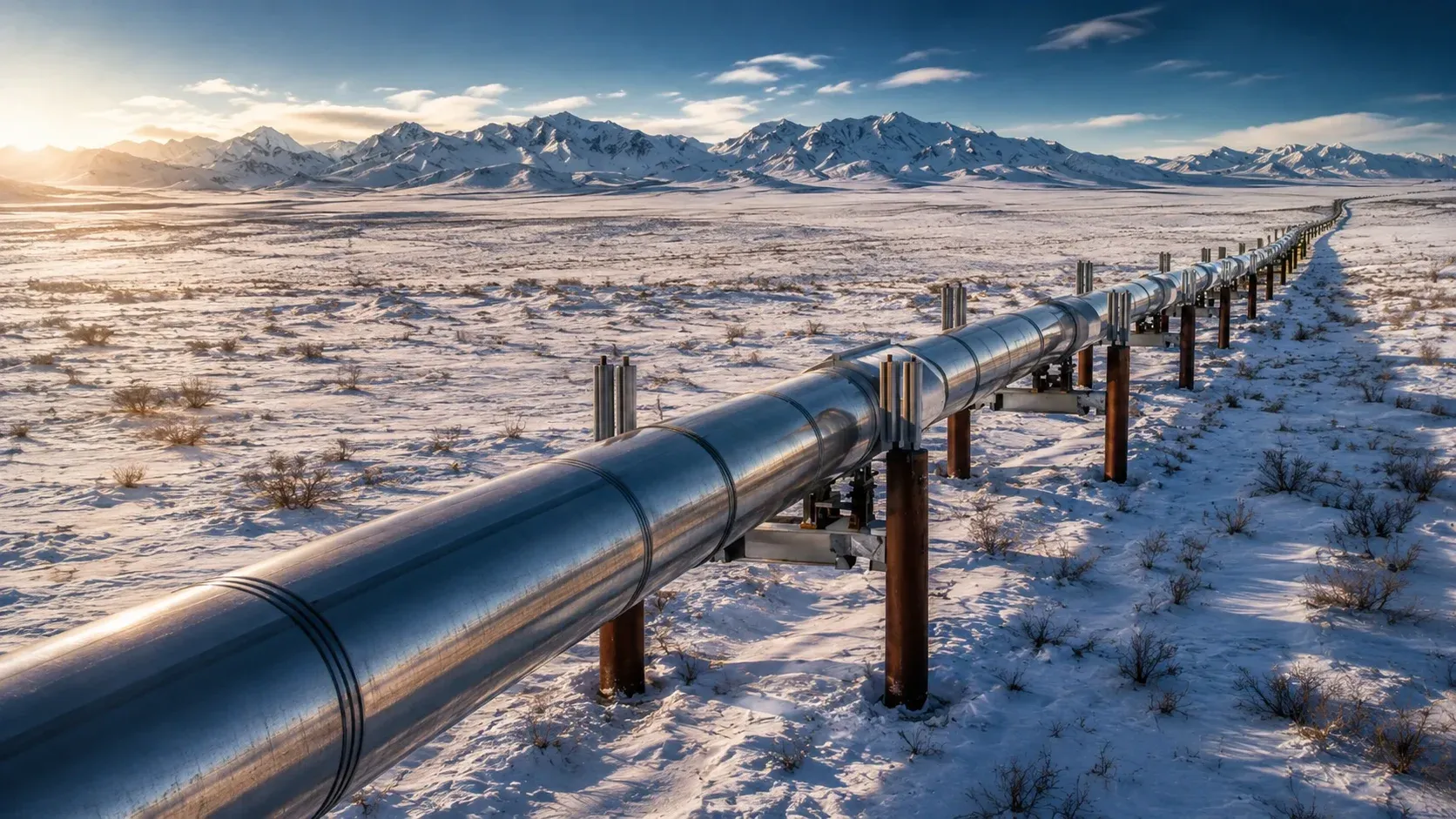
Glenfarne is developing the Alaska LNG project in two financially independent phases. Phase One focuses on the construction of a 739-mile, 42-inch pipeline designed to transport natural gas to Alaskan consumers. Phase Two is planned to add liquefaction facilities in Nikiski to support an export capacity of 20 million tonnes per annum (MTPA).
Why It Matters for the Energy Sector
For energy executives and industrial buyers, this agreement addresses the looming energy supply shortfall in Southcentral Alaska caused by declining production in the Cook Inlet. By securing long-term supply from the North Slope, the project aims to stabilize domestic energy security before transitioning into a global export entity.
The involvement of ConocoPhillips, ExxonMobil, and Hilcorp suggests a unified commercial front among the state’s primary upstream operators. This alignment is often a prerequisite for the massive capital deployment required for large-scale midstream infrastructure in the Arctic.
Grid and Infrastructure Context
The infrastructure consists of an 807-mile total pipeline route (739 miles for Phase One) capable of moving significant volumes to domestic utilities and eventually to the Nikiski export terminal. Glenfarne, which owns 75% of the project alongside the State of Alaska’s 25% stake, is utilizing the phased approach to de-risk the execution.
By separating the domestic pipeline from the export facilities, the developers can focus on immediate utility and industrial demand within the state while the broader 20 MTPA export case matures. This strategy may simplify the initial regulatory and financing hurdles associated with the multi-billion-dollar project.
What Comes Next
The project now moves toward a formal Phase One FID. While the volume commitments are sufficient, the transition from precedent agreements to firm transportation and sales contracts remains a key step. Investors will be watching for updates on the financing structure for the pipeline and the timeline for Phase Two, which holds the primary economic upside for global LNG markets.
Key Takeaways
- Glenfarne secured a 30-year gas sales precedent agreement with ConocoPhillips for Alaska LNG Phase One.
- All major North Slope producers (ConocoPhillips, ExxonMobil, Hilcorp) are now committed to the project.
- Phase One focuses on a 739-mile pipeline for domestic supply; Phase Two adds 20 MTPA export capacity.
EnergyInsyte's Take
This agreement signals that the commercial "upstream" hurdle for Alaska LNG has been cleared, shifting the focus to midstream execution and capital costs. For utilities and industrial operators in Alaska, this provides a clearer path toward long-term supply reliability. However, infrastructure investors should remain cautious; while the gas is now committed, the project’s ultimate success depends on navigating the high construction costs and logistical complexities inherent in Alaskan pipeline development.
Source: Businesswire