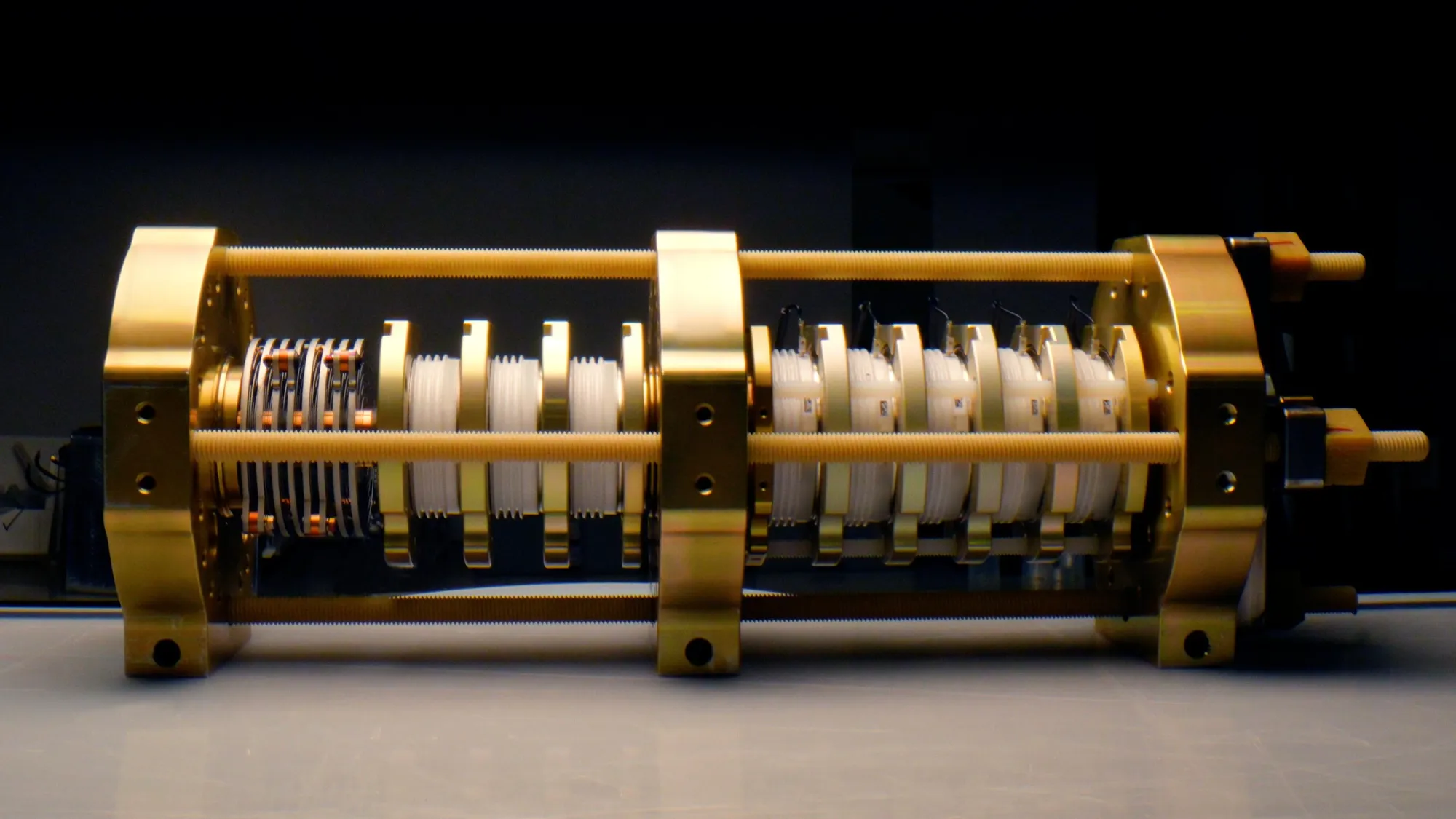
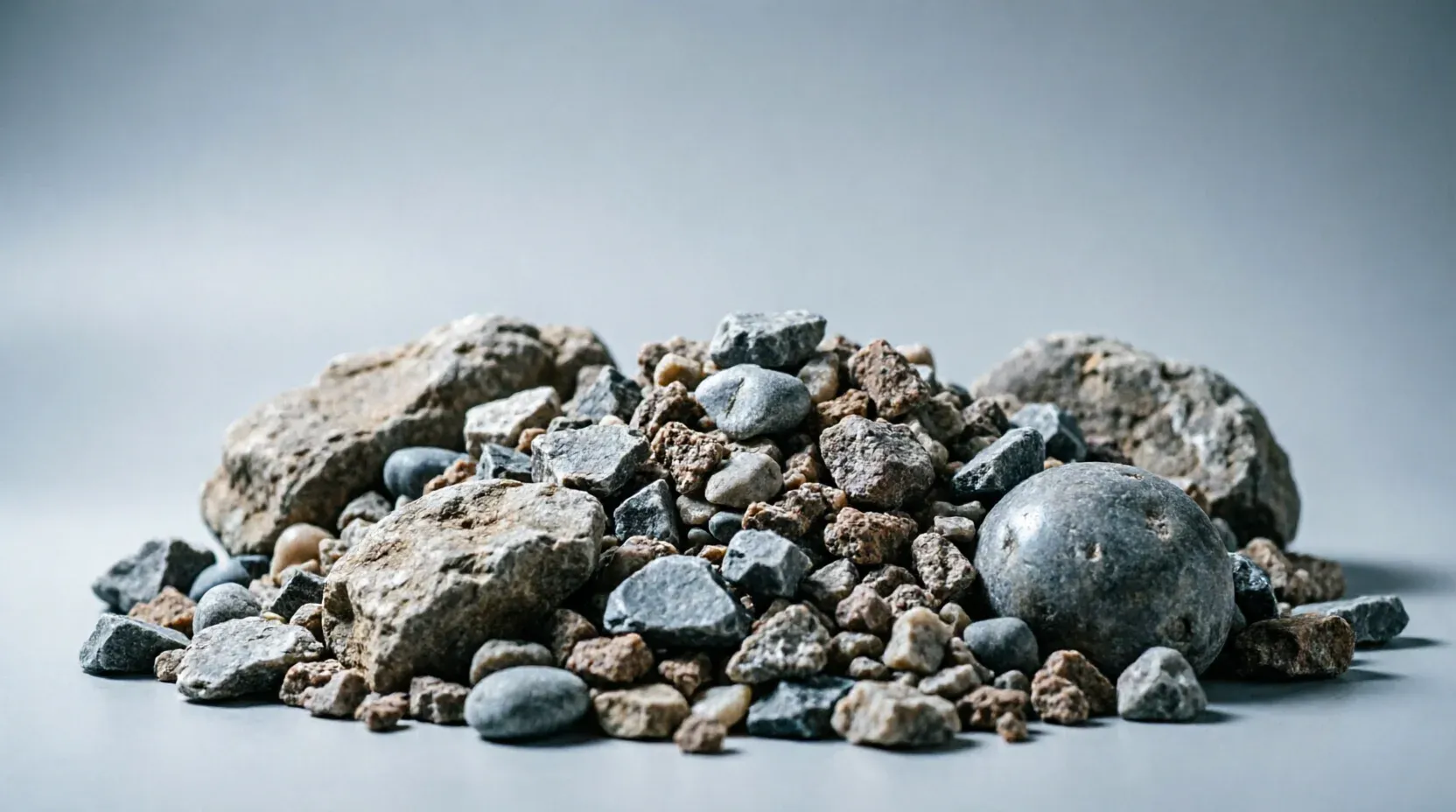
Hoffmann Green Cement Technologies has launched H-CLAY®, a new technology that enables the cold processing of clay for use in 0% clinker cement formulations. This development allows the company to utilize clay as a co-product without the energy-intensive calcination processes typically required in cement production.
H-CLAY Cold-Processing of Clay for Clinker-Free Cement
The H-CLAY® technology utilizes a unique process to process clay without resorting to traditional calcination or flash-calcination, methods that are highly energy-intensive and emit CO₂. By employing cold processing, the company can recover various types of clay to be integrated as a co-product in low-carbon cement formulations, functioning similarly to how slag is used in some of the company's existing 0% clinker cements.
According to the company, this technological development is designed to meet the requirements of structural concrete by combining durability, technical performance, and energy efficiency. The introduction of H-CLAY® provides Hoffmann Green with an industrial tool to access a broader global supply of raw materials while limiting the energy requirements associated with their processing.
Strategic Diversification and the 2030 Product Portfolio
The launch of H-CLAY® is part of a broader R&D strategy to expand the company's portfolio of decarbonized cements. Hoffmann Green aims to reach a total of six innovative 0% clinker cements by 2030. The company positions this technology as a strategic lever for diversification, which may enable the company to access new market segments and expand its areas of application within the construction sector.
The company's current technology portfolio includes four other innovative technologies: H-UKR®, based on alkali-activated slag; H-IONA®, a supersulfated cement; H-EVA®, an alkali-based ettringite technology; and H-P2A®, a geopolymer technology. Co-founders Julien Blanchard and David Hoffmann stated that the cold processing of clay without calcination or flash-setting is intended to reduce the carbon footprint of cement while meeting the technical requirements of the construction market.
Key Takeaways
- H-CLAY® enables the cold processing of clay into a co-product for 0% clinker cements without using energy-intensive calcination or flash-calcination.
- The technology is designed to meet structural concrete requirements and allows the company to utilize a wider global supply of raw materials.
- Hoffmann Green aims to expand its portfolio to include six innovative 0% clinker cements by 2030, adding to its existing H-UKR®, H-IONA®, H-EVA®, and H-P2A® technologies.
EnergyInsyte's Take
The shift toward cold-processing clay signals a move to decouple cement production from the high-heat requirements of traditional kilns. For grid operators and industrial buyers, the primary interest lies in whether this reduction in energy intensity can be scaled to significantly lower the power demand of cement manufacturing. Executives should monitor the commercial adoption of H-CLAY® in structural concrete projects to determine if it can realistically replace traditional clinker-based materials at scale.
Source: Businesswire