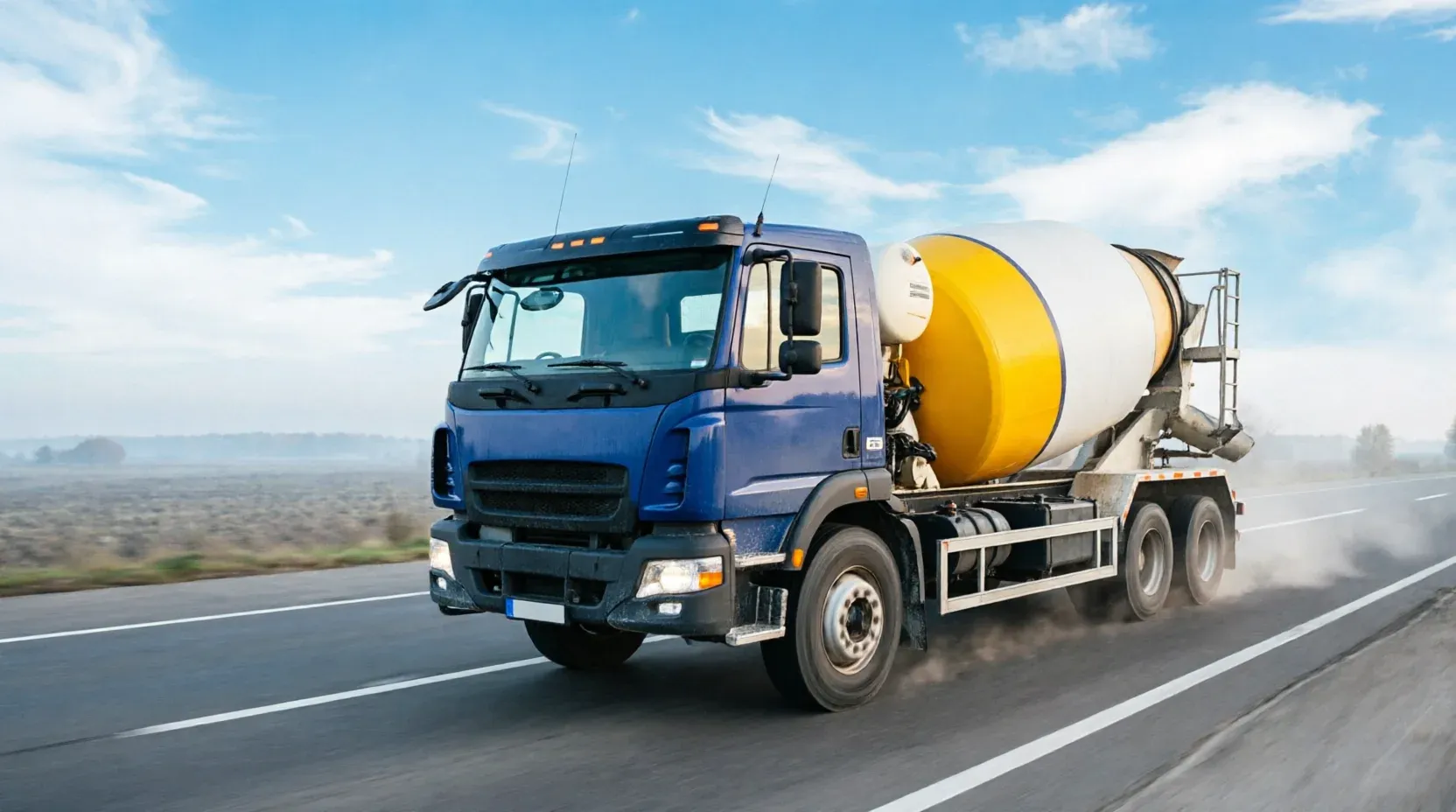
Amrize (NYSE: AMRZ) broke ground on a major upgrade of its cement facility in Saint‑Constant, Quebec, with the explicit goal of creating the most advanced and sustainable plant in Eastern Canada. The initiative represents the largest single investment in the Canadian cement sector in the past ten years and reflects Amrize’s broader strategy to bolster local cement supply for the province’s booming construction market. By adding 300,000 tonnes of annual capacity and targeting a 40 % reduction in net carbon footprint by 2035, the project aligns with the priorities of utilities, developers, and investors who are increasingly focused on reliable, low‑carbon building materials. The modernization also builds on Amrize’s 70‑year legacy of shaping Quebec’s infrastructure, from the Montreal Metro Blue Line to the Samuel Champlain Bridge.
Amrize Starts Modernization of Saint‑Constant Facility
The groundbreaking ceremony marked the commencement of construction on a suite of state‑of‑the‑art, high‑efficiency equipment designed to boost production, energy use, storage, and logistics. With the new assets, the plant’s output will rise to 1.2 million tonnes per year—a 300,000‑tonne increase over current levels. In addition to capacity growth, Amrize plans to expand the workforce at the site by 25 % through local hires, reinforcing its commitment to job creation in the region. President Jaime Hill emphasized that the investment “will modernize our cement plant into the most advanced and sustainable plant in Eastern Canada,” linking the upgrade directly to Quebec’s strong construction demand and the need for domestically sourced, low‑carbon cement.
Sustainability Targets and “Manufactured in Quebec” Initiative
Amrize’s modernization includes concrete measures to cut the plant’s net carbon footprint by more than 40 % by 2035, positioning it as the lowest‑emission cement producer per tonne in Eastern Canada. The company will market the output under the “Manufactured in Quebec” label, guaranteeing that raw material extraction, processing, and final manufacturing all occur within the province. This branding not only supports local job creation but also offers developers a domestically produced, lower‑carbon material option for infrastructure projects, reinforcing Quebec’s broader climate and economic objectives.
Government Funding Supports Low‑Carbon Cement Production
The upgrade is underpinned by federal and provincial financial programs. Canada’s Low‑Carbon Economy Fund (LCEF) and Quebec’s ÉcoPerformance initiative, together with the Support Measure for the Decarbonization of the Industrial Sector (MADI), provide funding aligned with the 2030 Green Economy Plan and the Quebec Carbon Market. Honourable Nathalie Provost, Secretary of State (Nature), noted that the announcement “will support the modernization of the Amrize cement plant, sustain local jobs, and help build a greener future for Saint‑Constant.” The plant’s modernization dovetails with governmental commitments of nearly $10 billion over the next decade for infrastructure, public transportation, healthcare, and housing across Canada and Quebec.
Key Takeaways
- Amrize is investing to add 300,000 tonnes of capacity, bringing total output to 1.2 million tonnes annually at its Saint‑Constant plant.
- The company targets a net carbon‑footprint reduction of over 40 % by 2035, aiming for the lowest emissions per tonne of cement in Eastern Canada.
- Federal and Quebec funding programs—including LCEF, ÉcoPerformance, and MADI—are earmarked to support the plant’s low‑carbon upgrades.
EnergyInsyte's Take
The modernization gives Canadian builders a domestic source of higher‑efficiency cement, potentially easing supply constraints for large‑scale projects. Executives should monitor the rollout timeline and any additional policy incentives that could affect project economics, while recognizing that actual emissions performance will depend on the successful integration of the new technologies.
Source: Businesswire