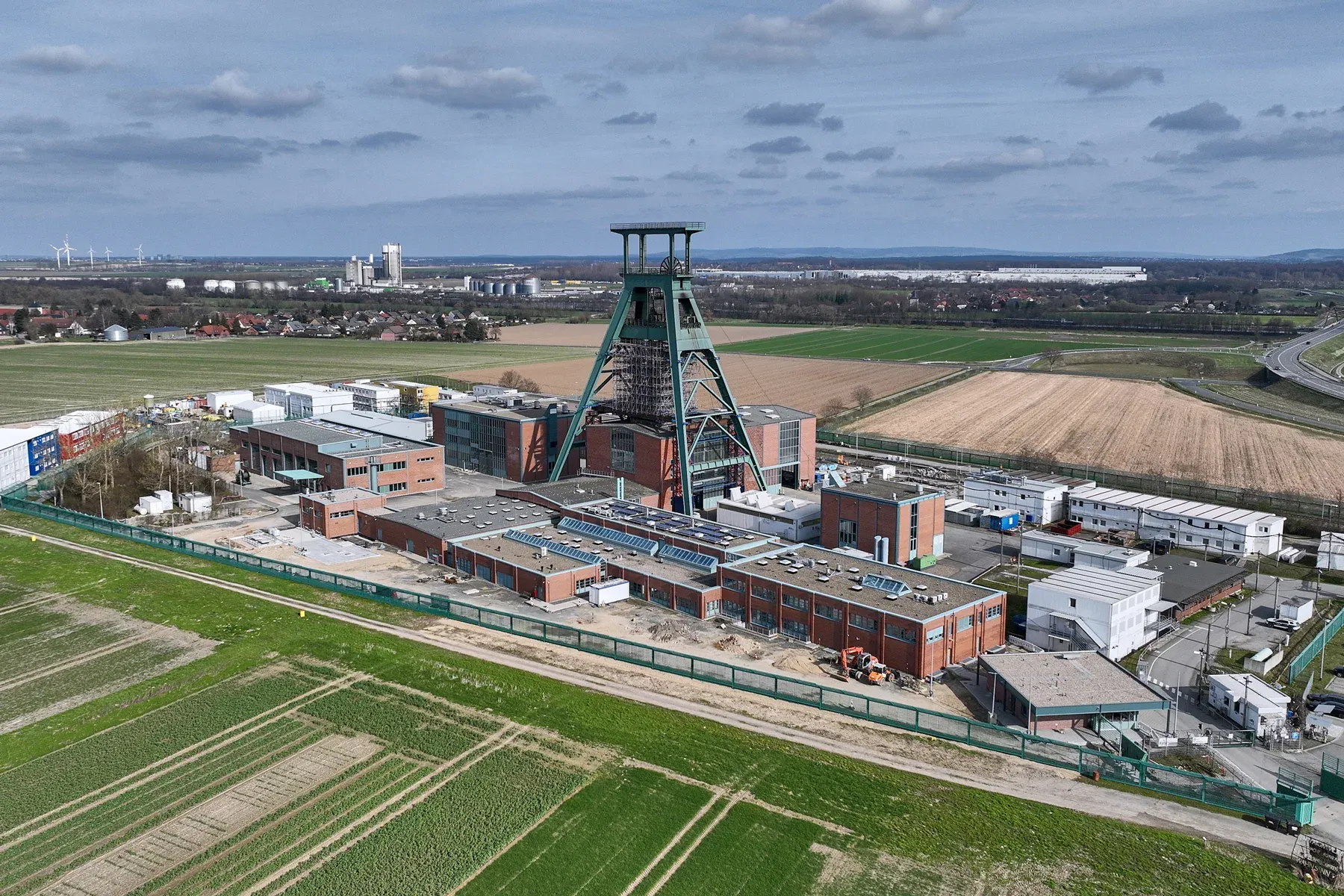
The successful conversion of existing mining infrastructure into a permanent nuclear waste facility is a critical requirement for Germany’s long-term energy and environmental stability. Jacobs (NYSE: J) has secured a contract from Bundesgesellschaft für Endlagerung mbH (BGE) to provide project support services for the Konrad Repository project located in Salzgitter, Germany. This initiative aims to establish the nation's first final repository for low- and intermediate-level radioactive waste. By deploying advisory services, Jacobs intends to bolster schedule accuracy and cost reliability for this high-stakes national infrastructure program.
Advisory Scope for the Konrad Repository Project
BGE has engaged Jacobs to manage the technical complexities inherent in converting an existing mine into a regulated nuclear waste repository. The scope of the contract focuses on optimizing project delivery through several specific advisory functions. Jacobs will assess current construction progress, validate existing planning assumptions, and evaluate established construction processes to identify necessary efficiency improvements. Furthermore, the firm is tasked with reviewing and updating both project schedules and cost plans to ensure they align with on-site realities. This oversight is intended to bridge the gap between theoretical planning and the practical execution of large-scale underground works. The project must navigate rigorous technical requirements, including seismic considerations and strict compliance with both mining and nuclear regulations. By integrating best practices from international infrastructure programs, Jacobs aims to provide the technical rigor required to manage the conversion of the Salzgitter site into a compliant, long-term storage solution for radioactive materials.
Strategic Nuclear Waste Management in Germany
The Konrad Repository represents a significant milestone in Germany's nuclear waste lifecycle management, specifically targeting low- and intermediate-level waste. BGE is positioning this project as a vital piece of national infrastructure that requires specialized expertise in construction and schedule management. The complexity of the work is heightened by the necessity of operating within existing structures while meeting stringent legal mandates under nuclear law. Jacobs is leveraging its broader European footprint to support this mandate, drawing on its long-term involvement with complex sites like Sellafield in the United Kingdom and various radioactive waste treatment projects in Belgium. This engagement highlights a growing demand for specialized advisory services capable of managing the intersection of mining engineering and nuclear safety protocols. As Germany manages its transition, the ability to execute predictable, cost-effective disposal projects remains a primary technical and regulatory hurdle for the federal government and its designated disposal entities.
Key Takeaways
- Jacobs will provide advisory services to BGE for the Konrad Repository project in Salzgitter, Germany.
- The project involves converting an existing mine into Germany’s first final repository for low- and intermediate-level radioactive waste.
- The contract scope includes assessing construction progress, validating planning assumptions, and updating cost and schedule plans.
EnergyInsyte's Take
In our view, this contract underscores the extreme technical difficulty of Germany's nuclear waste disposal mandate. The decision by BGE to outsource schedule and cost validation to Jacobs suggests that the "conversion" of a mine into a nuclear repository is viewed as a high-risk execution challenge rather than a standard construction task. For energy executives and policymakers, this signals that the reliability of Germany's waste management timeline depends heavily on integrating specialized mining expertise with nuclear regulatory compliance. As the Konrad project moves forward, the ability of Jacobs to align theoretical cost models with the physical realities of underground construction will be the primary metric of success for this national infrastructure priority.
Questions & Answers
How will Jacobs influence the Konrad Repository project's financial and temporal outcomes?
Jacobs is tasked with reviewing and updating cost plans and schedules while validating planning assumptions. This is intended to strengthen cost reliability and schedule accuracy by aligning project management with actual on-site construction progress and technical realities.
What specific technical challenges are associated with the Salzgitter site?
The project requires converting an existing mine into a repository, which necessitates managing work within existing structures, addressing seismic considerations, and ensuring total compliance with both mining and nuclear regulations.
What is the strategic significance of the Konrad Repository for Germany?
The project is designed to serve as Germany's first final repository for low- and intermediate-level radioactive waste approved under nuclear law, making it a critical component of the country's national infrastructure for radioactive waste disposal.
What experience does Jacobs bring to this German nuclear waste mandate?
Jacobs is drawing on its experience with complex nuclear sites like Sellafield in the U.K., radioactive waste treatment projects in Belgium, and major German infrastructure programs such as the SuedLink HVDC transmission project.
Source: https://jacobs.com/