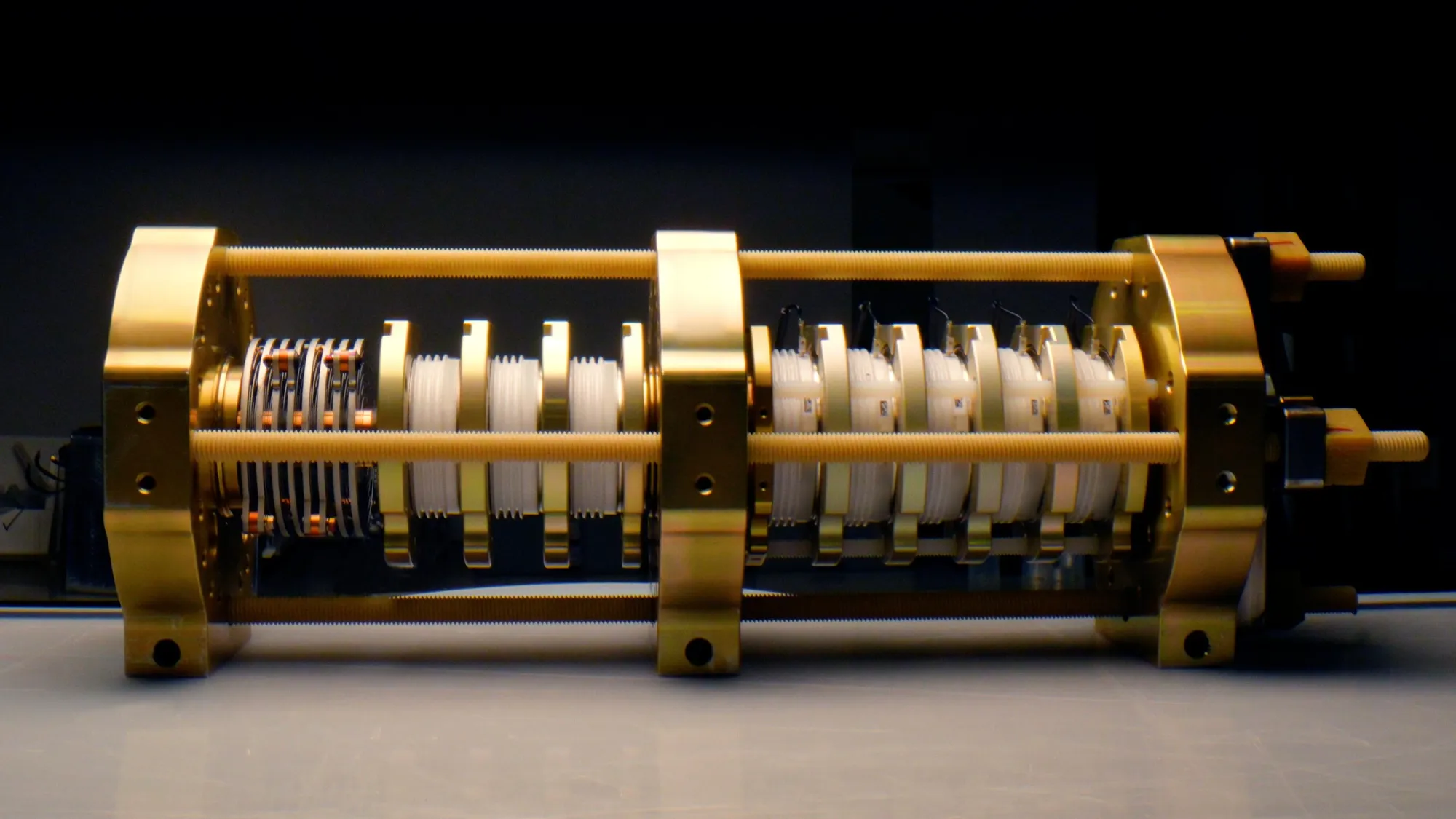

Joulent, a privately held energy company backed by Engine No. 1 and built in partnership with GE Vernova, announced its launch to supply multi‑gigawatt power for American digital infrastructure. The company’s first project, Project Kilby in West Texas, will deliver roughly 2.67 GW under a 20‑year PPA with Microsoft, signaling a new model for co‑located generation and compute workloads.
Joulent Announces Its Formation and First Power Project
Joulent, LLC (“the Company” or “Joulent”) was founded and developed over three years by Engine No. 1 in strategic collaboration with GE Vernova. The firm positions itself as a technology‑driven energy company purpose‑built to deliver reliable, continuous power at the speed and scale demanded by current innovation cycles.
The Company’s inaugural project, Project Kilby, is a natural‑gas power facility being built in West Texas. It will be co‑located with a Microsoft‑operated data center and is expected to provide approximately 2.67 GW of capacity under a 20‑year power purchase agreement between Energy Forge One LLC (a wholly owned Chevron subsidiary) and Microsoft Corporation.
“Leadership in the AI era will be determined by who can deliver energy and compute the fastest, most reliably, and at the lowest cost,” said Chris James, Founder and CEO of Engine No. 1 and Joulent.
Relevance to Energy Executives and AI‑Driven Compute
The Kilby project targets reliable electricity for hyperscale AI workloads while aiming to reduce stress on the regional grid that serves residential consumers. Microsoft President of Cloud Operations + Innovation Noelle Walsh noted that the partnership “allows us to align long‑term power with our growing capacity needs” and supports local community objectives.
Joulent’s “Across‑the‑Meter™” solution builds large‑scale generation at the point of demand and later connects to the broader grid, offering a pathway to quickly scale multi‑gigawatt campuses. Over time, the exportable capacity could support local power markets, providing utilities with additional supply without immediate grid upgrades.
Grid, Supply and Future Expansion Context
Project Kilby’s natural‑gas configuration is designed for continuous, baseload output, which is critical for data‑center reliability. The model also anticipates future integration of renewable sources, beginning with solar, to create “additional pathways to add clean generation capacity over time.”
Joulent’s collaboration with GE Vernova supplies full expertise, equipment, and operational infrastructure, reducing development risk for utilities and developers considering similar co‑located projects.
Key Takeaways
- Joulent was founded by Engine No. 1 and partners with GE Vernova to deliver multi‑gigawatt power solutions.
- Its first project, Project Kilby, will provide about 2.67 GW of natural‑gas power for a Microsoft data center under a 20‑year PPA.
- The “Across‑the‑Meter™” approach co‑locates generation with demand, later feeding excess capacity into the grid and allowing future solar integration.
EnergyInsyte's Take
Joulent’s launch introduces a vertically integrated model that could ease grid constraints for high‑intensity compute loads while keeping electricity costs stable for ratepayers. Execution risk remains tied to permitting, fuel supply, and the timeline for adding renewable capacity. Executives should monitor project milestones, regulatory approvals, and the performance of the Across‑the‑Meter™ framework as a potential template for future co‑located power‑compute sites.
Source: Businesswire