JST Power Equipment has announced the opening of a new manufacturing facility in Wytheville, Virginia, to address the rising demand for electrical infrastructure. The site marks the company’s eleventh global factory and is specifically designed to serve the North American utility, data center, and renewable energy markets.
The Announcement
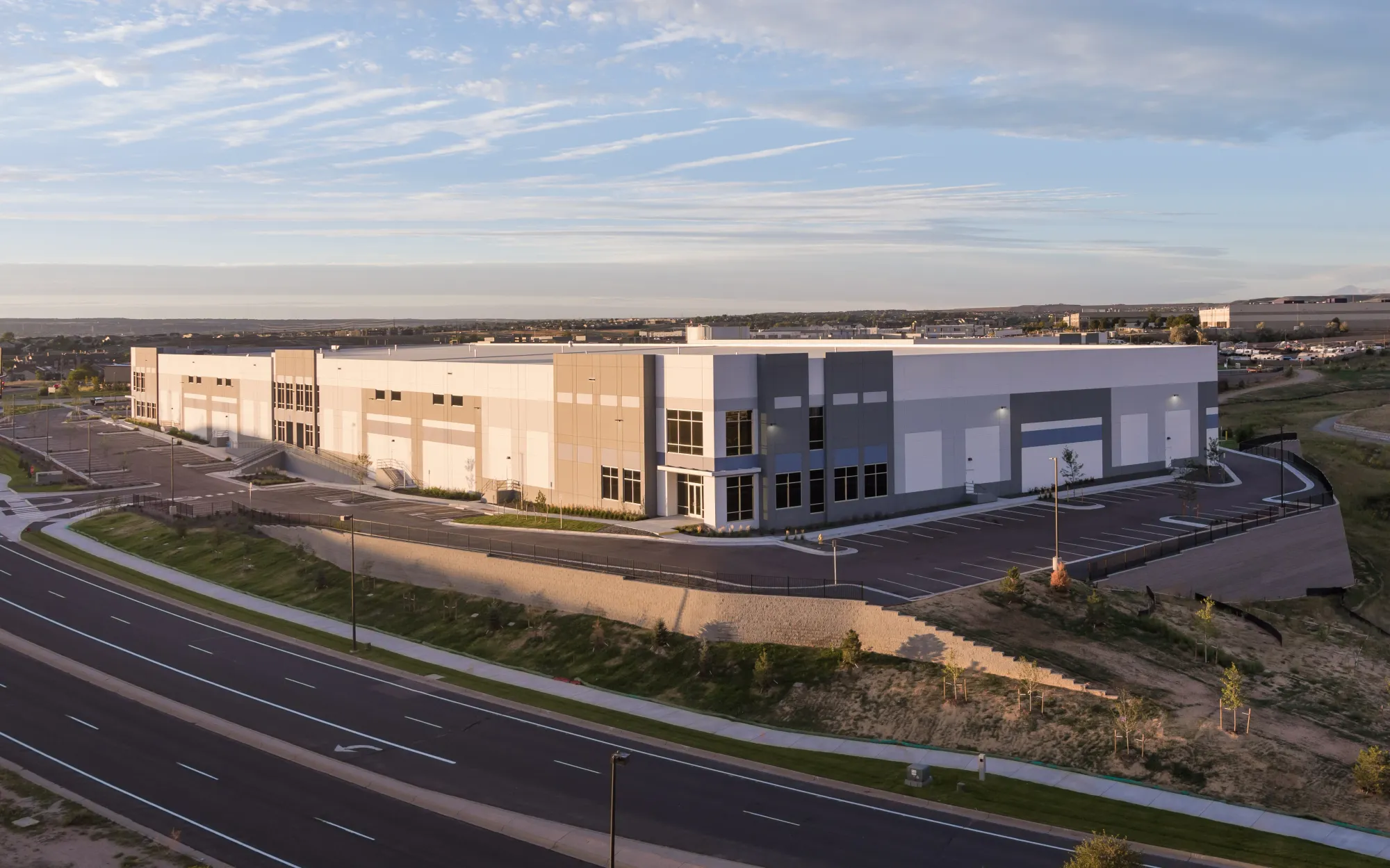
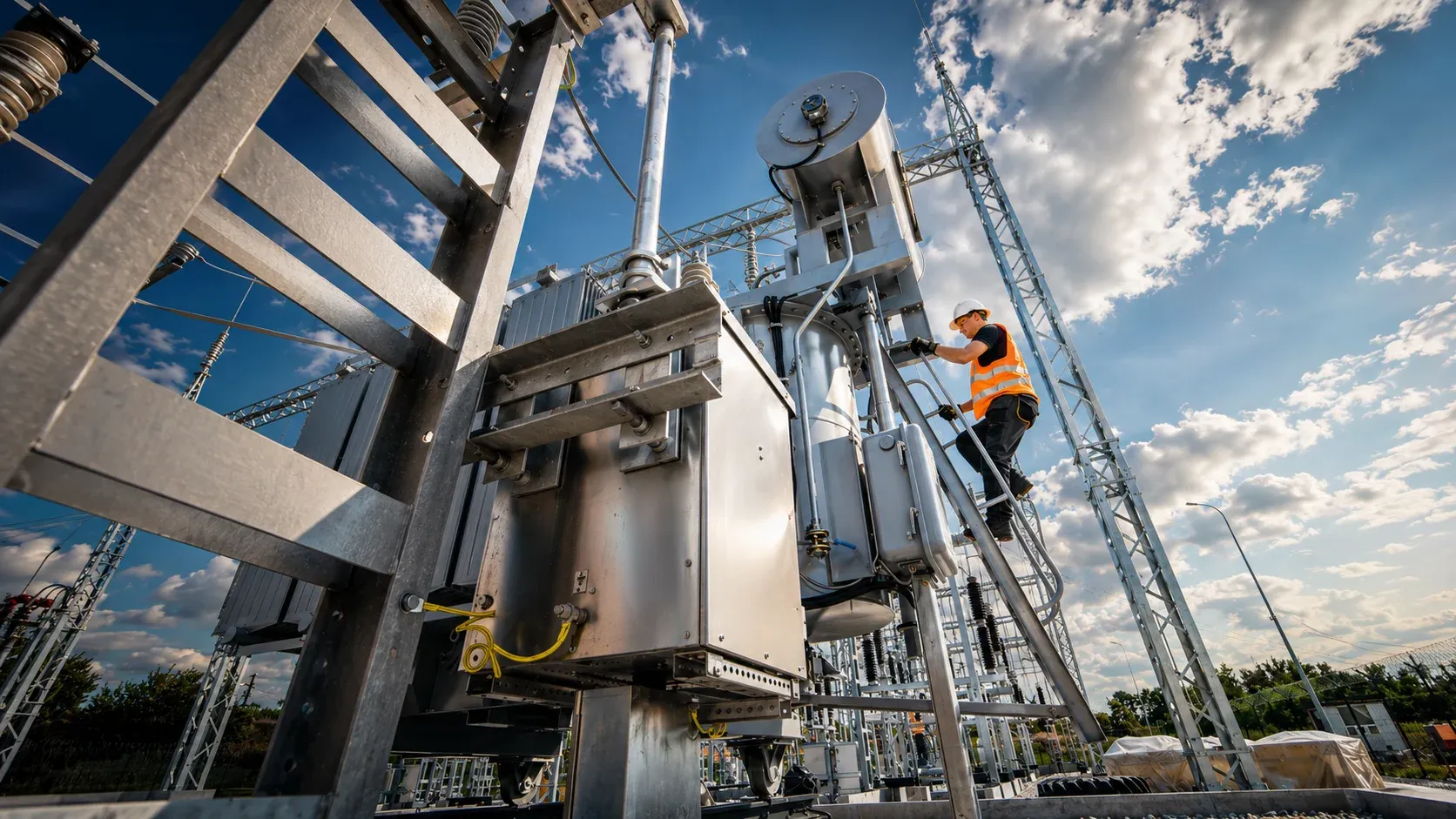
The new Wytheville campus, located within the Fairview Industrial Park, spans approximately 45,000 square feet across two buildings. The facility will focus on the production of liquid-filled, pad-mounted single-phase and three-phase transformers. These units will range from 25 kVA to 6,000 kVA with ratings up to 35 kV.
JST plans a phased production ramp-up for the site. Initial capacity is projected at approximately 150 units in 2026, with plans to scale significantly to 1,000 units annually beginning in 2027. The expansion is expected to create 25–30 manufacturing roles and 10–20 office and engineering positions initially, with further hiring anticipated as output increases.
Why It Matters for the Energy Sector
The expansion directly targets the persistent supply chain constraints affecting the transformer market. By localizing production in Virginia, JST aims to provide faster lead times and facilitate localized factory acceptance testing (FAT). For utility leaders and industrial buyers, this proximity reduces logistical risks and allows for closer collaboration during the project lifecycle.
The facility also helps JST comply with increasingly stringent local and regional sourcing requirements. As federal and state policies place greater emphasis on domestic manufacturing for critical grid components, having a U.S.-based production line for pad-mounted transformers provides a strategic advantage for developers seeking to meet "Made in America" criteria or procurement mandates.
Grid, Supply, and Investment Context
The investment comes at a time when the U.S. electrical grid is under pressure from several converging factors: the rapid expansion of data centers, the integration of utility-scale renewables, and broader electrification efforts. Pad-mounted transformers are essential "last-mile" infrastructure components for connecting these loads and sources to the distribution grid.
JST’s global network—which includes sites in Mexico, China, and Malaysia—already supports a wide portfolio, including switchgear and battery energy storage systems (BESS). The addition of the Wytheville site strengthens the company's ability to deliver high-performance power solutions at scale, specifically targeting the mid-range voltage requirements common in modern industrial and utility applications.
What Comes Next
Following the opening, JST will focus on staffing the engineering and manufacturing teams required to meet the 2026 production targets. Decision-makers should monitor the 2027 scaling phase, as the jump to 1,000 units per year will represent a significant increase in regional supply for liquid-filled transformers. The company did not disclose further details regarding specific contract wins or the total capital expenditure for the facility.
Key Takeaways
- Capacity Growth: Production is set to scale from 150 units in 2026 to 1,000 units annually by 2027.
- Product Focus: The site specializes in liquid-filled, pad-mounted transformers (25 kVA to 6,000 kVA) up to 35 kV.
- Strategic Location: The Virginia facility enables localized factory acceptance testing and supports domestic sourcing requirements for U.S. infrastructure projects.
EnergyInsyte's Take
For energy executives and grid operators, JST’s expansion is a pragmatic response to the chronic shortage of distribution transformers that has delayed projects across North America. While the 2026 start date means immediate relief is not on the horizon, the planned 2027 capacity surge offers a medium-term supply buffer for data center and renewable developers. Investors should note that JST is positioning itself to capture "onshoring" demand, though the success of the facility will depend on the company's ability to navigate the competitive labor market for specialized manufacturing and engineering talent in the region.
Source: Businesswire