
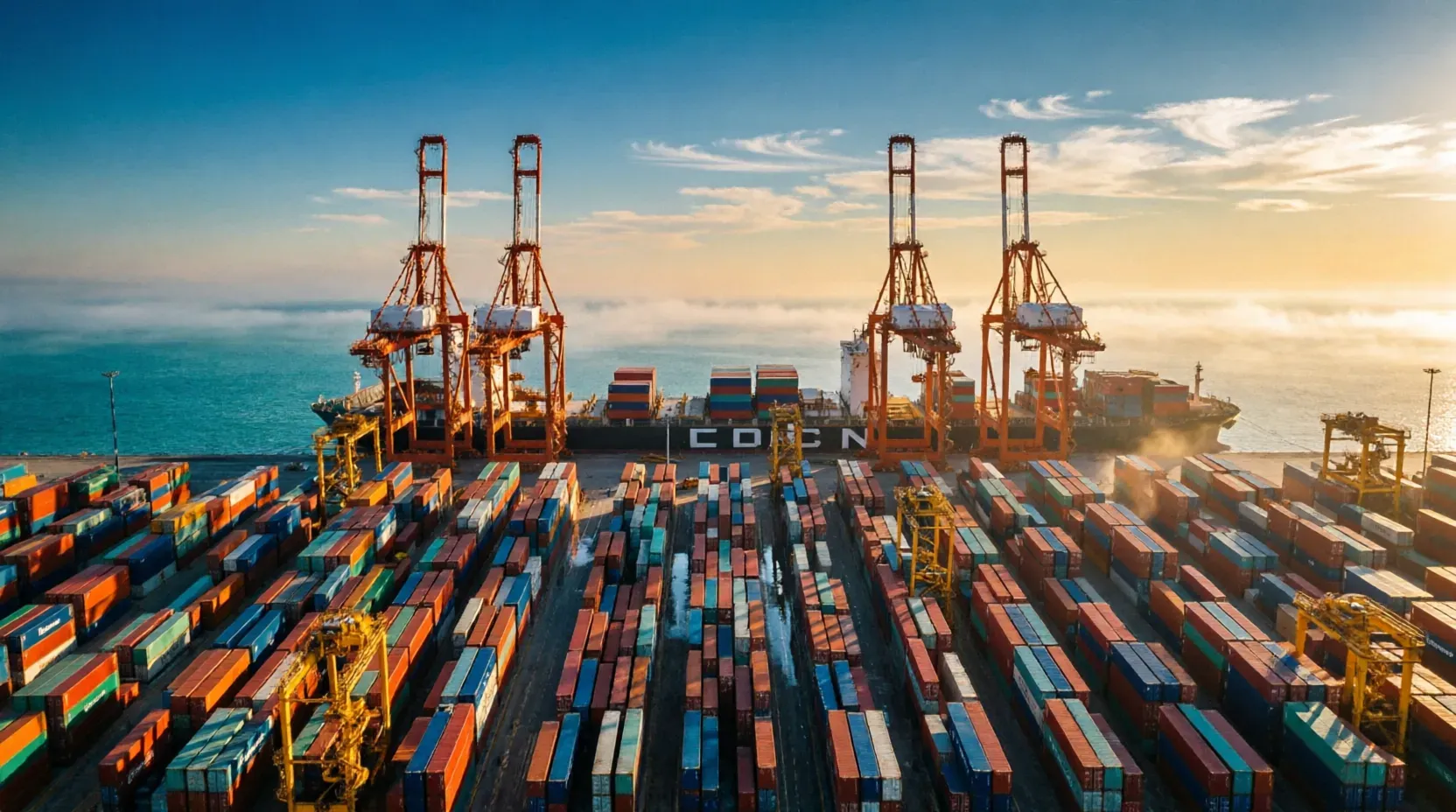
Kitsault Energy (KE) has released an open letter outlining a plan to build a dedicated energy and commodity export corridor linking Port Churchill in northern Manitoba with a new deep‑water terminal at Kitsault Port on British Columbia’s northwest coast. The proposal, aimed at expanding Canada’s export capacity to Asian, European and Russian markets, is presented as a nation‑building opportunity to boost GDP, create jobs and increase tax revenues.
Kitsault Energy Corridor Proposal
The corridor would connect existing infrastructure at Port Churchill with the largest planned port along Alice Arm, called Kitsault Port, situated in Observatory Inlet. KE envisions the corridor handling a wide range of products, including nuclear energy, liquefied natural gas (LNG), natural‑gas liquids (NGL), Canadian crude oil, potash, uranium, critical minerals, as well as canola and pulse crops. The letter states that the project “could help address India’s environmental and energy challenges,” positioning the corridor as a strategic link for both North American and Asian supply chains.
Economic Impact and Job Creation
According to the letter, the corridor is expected to generate “billions of dollars in private‑sector investment” and “thousands of construction and skilled jobs.” KE highlights additional benefits such as higher federal and provincial tax revenues and expanded economic participation for First Nations through long‑term partnerships, new housing, health centers, jobs and job‑training programs. The company argues that expanding export infrastructure would strengthen energy security for allies while delivering long‑term economic benefits domestically.
Export Capacity Targets
KE asserts that Canada could increase crude‑oil exports from the current “approximately 5‑5.5 million barrels per day” to “10 million barrels per day” and “quadruple current LNG and NGL exports.” The letter cites the United States as a benchmark, noting that U.S. crude production has risen to “nearly 14 million barrels per day” and that the U.S. now exports roughly “110 million tonnes per year” of LNG. KE presents these figures to illustrate the scale of growth it believes is achievable with timely infrastructure investment and faster project approvals.
Key Takeaways
- KE proposes a new export corridor from Port Churchill to a planned deep‑water terminal at Kitsault Port, intended to move energy, minerals and agricultural products to Asian, European and Russian markets.
- The company estimates the project will attract billions of dollars in private investment, create thousands of skilled jobs, and generate higher federal and provincial tax revenues, with specific First Nations partnership components.
- KE targets a rise in Canadian crude‑oil exports from about 5‑5.5 million to 10 million barrels per day and a four‑fold increase in LNG and NGL exports.
EnergyInsyte's Take
The corridor concept underscores the scale of infrastructure that would be required to double Canada’s oil export capacity and significantly expand LNG shipments. While the letter outlines ambitious volume targets, the timeline for approvals, financing and construction remains unclear, leaving executives to watch for concrete project milestones and regulatory progress before committing capital.
Source: Businesswire