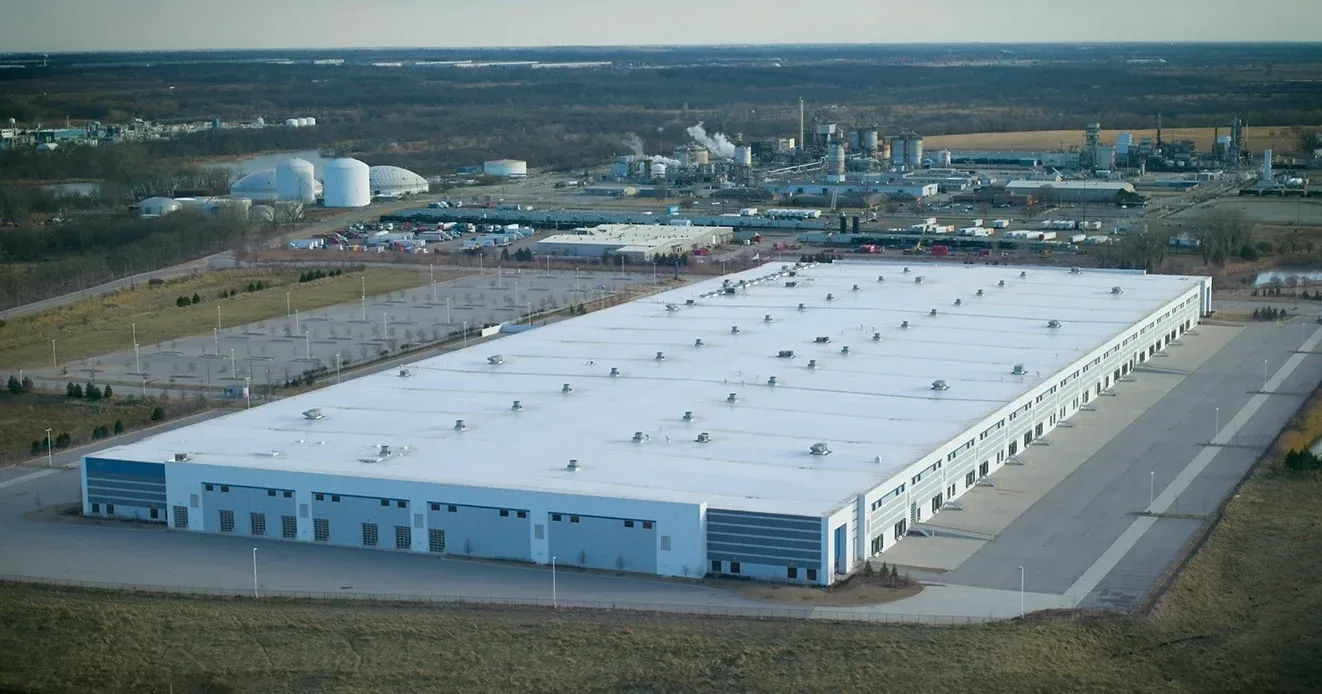
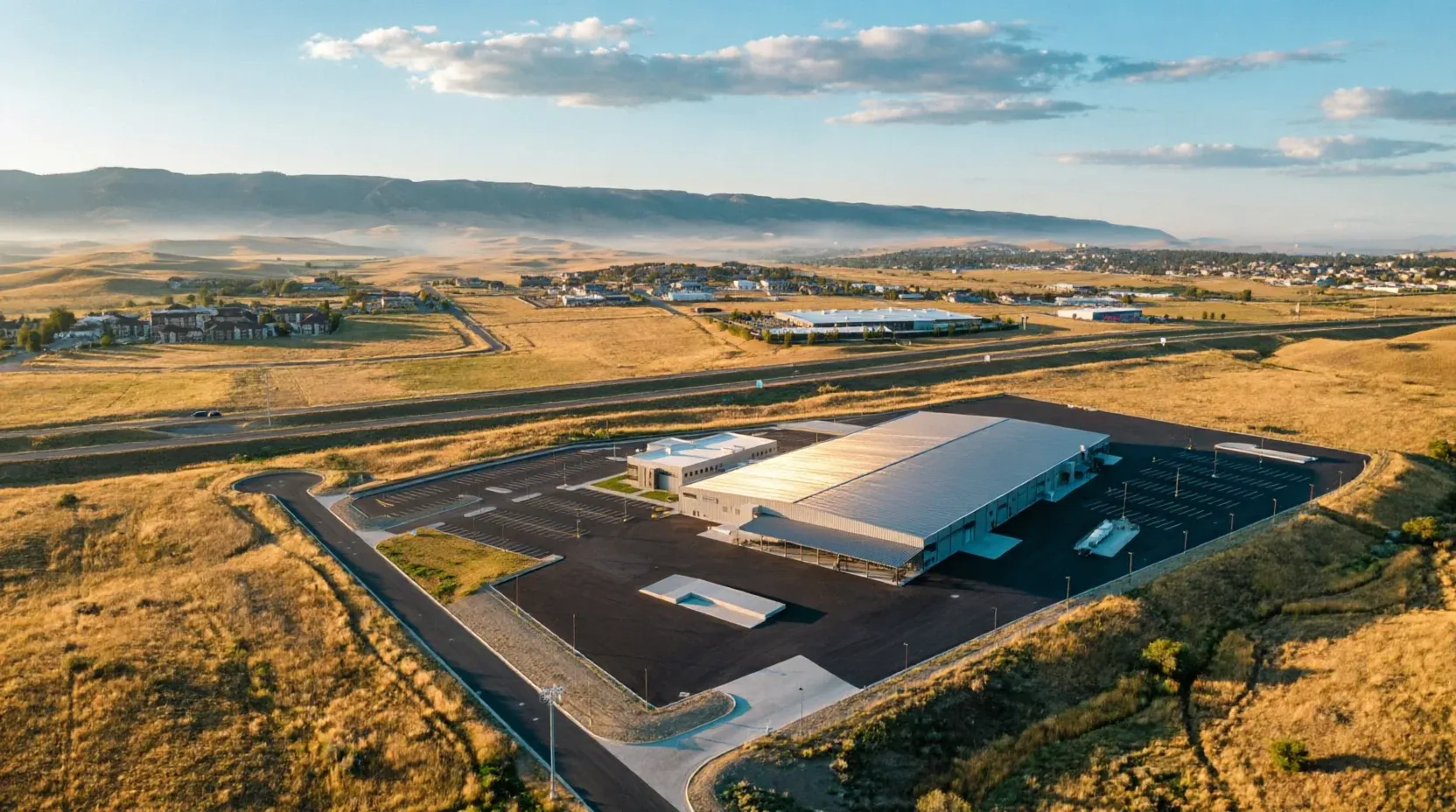
Mesa Power Solutions is scaling its domestic manufacturing footprint to address the rising demand for resilient, distributed power systems across critical infrastructure sectors. The company has announced a $70 million investment to open a new 220,000-square-foot manufacturing and administrative campus in Evansville, Wyoming. This strategic expansion aims to centralize operations and bolster the production of natural gas power generation equipment. By consolidating 300 employees at the new One Mesa Way site, the company intends to streamline its vertically integrated model. The move is positioned to support high-stakes energy requirements for data centers, utilities, and industrial enterprises where power reliability is a non-negotiable operational necessity.
Mesa Power Solutions Evansville Campus Expansion
The new facility in Evansville serves as a centralized hub for Mesa Power Solutions' engineering, manufacturing, and administrative functions. By moving 300 existing employees to this 220,000-square-foot campus, the company is attempting to improve operational efficiency through a consolidated workforce. The site is specifically designed to manufacture natural gas power generation equipment, including sound-attenuated and temperature-controlled generator sets. According to the company, this new location will be capable of generating up to 1 GW of power equipment annually. When integrated with Mesa’s existing San Antonio operations, the company expects to reach a total production capacity of up to 2 GW per year.
This capital deployment is tied to a significant regional economic projection; Mesa anticipates the facility will generate a $200 million economic impact in Wyoming by 2030. CEO Scott Gromer attributed the decision to Wyoming’s industrial climate, noting the state's focus on increasing energy production and domestic manufacturing. The facility is intended to produce on-demand power generation equipment for a diverse client base, including energy companies, technology firms, and utility providers. By bringing design, assembly, and service under one roof, Mesa is attempting to reduce the reliance on the fragmented third-party supplier networks that characterize much of the current power equipment market.
Scaling Distributed Power for Critical Infrastructure
The expansion targets a specific market gap: the need for scalable and reliable onsite power for mission-critical verticals. Mesa is positioning its natural gas and liquid propane-powered systems as essential tools for sectors like data centers, healthcare providers, and large-scale industrial facilities. These industries increasingly require 24/7 dependable power to prevent costly downtime, a challenge Mesa addresses through its vertically integrated business model. Unlike competitors that act as coordinators for outsourced services, Mesa manages the entire lifecycle—from initial engineering and design through to installation, commissioning, and long-term aftermarket support.
This vertical integration is intended to provide customers with a single point of accountability and faster deployment timelines by eliminating the friction of managing multiple vendors. The company’s equipment is engineered to operate in various climates and utilizes telemetry to provide real-time operational data. As the demand for distributed energy resources grows, Mesa is leveraging this domestic manufacturing surge to capture market share in the microgrid and standby power segments. The company suggests that its approach allows customers to potentially reduce capital expenditures and energy costs while managing emissions and carbon footprints through more efficient natural gas-based generation.
Key Takeaways
- Mesa Power Solutions is investing $70 million in a 220,000-square-foot manufacturing campus in Evansville, Wyoming.
- The new facility will consolidate 300 employees and is expected to generate a $200 million economic impact by 2030.
- Combined with its San Antonio operations, the company aims for a total annual production capacity of up to 2 GW.
EnergyInsyte's Take
In our view, Mesa Power Solutions’ move into Wyoming is a calculated bet on the "reliability premium" currently driving the energy transition. As data centers and industrial users face increasing grid volatility, the demand for localized, on-demand natural gas generation is shifting from a luxury to a core infrastructure requirement. By investing $70 million to vertically integrate their manufacturing and service, Mesa is attempting to insulate itself from the supply chain fragmentation that often plagues large-scale power deployments. This isn't just about increasing capacity; it is about controlling the quality and speed of the entire lifecycle to win contracts in high-uptime sectors. If Mesa can successfully scale to a 2 GW annual capacity while maintaining a single point of accountability, they will be well-positioned to compete against traditional providers who rely heavily on third-party service networks.
Questions & Answers
How does Mesa's manufacturing capacity change with the Wyoming investment?
The new Evansville facility will produce up to 1 GW of power generation equipment annually. When combined with the company's existing San Antonio operations, Mesa's total production capacity is expected to reach up to 2 GW per year.
What specific industries is Mesa targeting with this expansion?
Mesa is targeting sectors that require mission-critical, 24/7 power reliability, specifically naming data centers, utilities, healthcare providers, energy companies, and large-scale industrial and commercial enterprises.
What is the strategic advantage of Mesa's vertically integrated business model?
Mesa aims to provide greater quality control, faster deployment timelines, and a single point of accountability by managing engineering, manufacturing, installation, commissioning, and aftermarket support in-house, rather than coordinating multiple third-party suppliers.
What are the projected economic outcomes of the Evansville project?
The company expects the $70 million investment in the 220,000-square-foot campus to generate a $200 million economic impact in the state of Wyoming by the year 2030.
Source: Businesswire