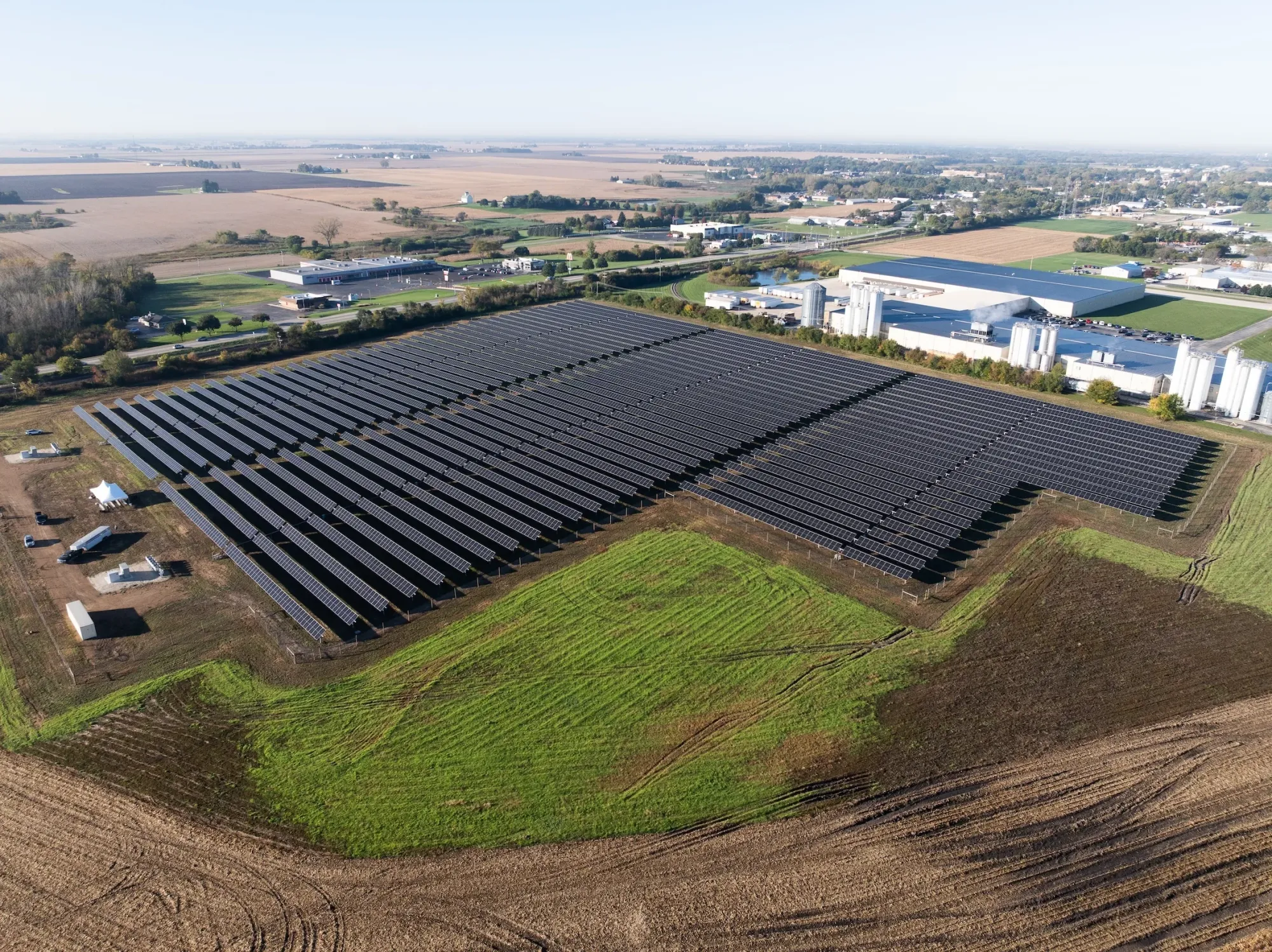
Aggregating smaller distributed energy assets into larger, bankable portfolios is becoming a primary mechanism for bridging the institutional financing gap in the community solar sector. Aligned Climate Capital has closed approximately $387 million in construction-to-permanent financing to support a 126-megawatt community solar portfolio. This capital deployment targets 20 distinct projects located across Illinois and Maryland, aiming to bypass the traditional hurdle where individual mid-market solar assets lack the scale to attract major infrastructure capital. By grouping these assets, Aligned is attempting to unlock institutional liquidity for projects that sit between residential rooftop systems and massive utility-scale developments.
Apterra Leads $387M Financing for Multi-State Portfolio
Apterra Infrastructure Capital, an affiliate of Apollo, led the construction-to-permanent financing facility designed to move these assets from the development phase into active operation. The facility structure is critical; it finances the initial construction phase and then converts into permanent debt once each project reaches operational status. This approach provides a continuous capital lifecycle for the 20-project portfolio, which includes 115 MWdc across eighteen sites in Illinois and 11 MWdc across two sites in Maryland. The total portfolio is expected to generate approximately 225 million kilowatt-hours annually, a capacity sufficient to power roughly 31,500 homes.
The financing is supported by a diverse lender syndicate, including BankUnited, Stifel, Amalgamated Bank, Farmer Mac, Bci, BTG Pactual, and Siemens. BankUnited is acting as the depository agent, while both BankUnited and Stifel are providing interest rate swaps. Bci is serving as the letter of credit provider. This syndicate structure suggests that despite the fragmented nature of community solar, the aggregated portfolio model can successfully attract a wide range of specialized and institutional lenders.
Strategic Integration with State Solar Programs
The portfolio’s revenue stability is linked to specific state-level incentive structures and utility territories. In Illinois, the eighteen projects are situated within Ameren and ComEd utility territories, with a portion of the capacity participating in the Illinois Shines Adjustable Block Program. In Maryland, the two projects operate within Delmarva Power and Potomac Edison territories, utilizing the state’s Community Solar Energy Generating Systems program. This Maryland program specifically mandates that at least 40% of project capacity be reserved for low- and moderate-income subscribers.
Aligned Climate Capital manages these assets through its Aligned Solar Partners strategy, which has been active since 2018. The strategy focuses on acquiring distributed solar and energy storage projects from development partners, financing their construction, and managing them through their operational lifecycles. By leveraging these state programs, Aligned is positioning the portfolio to benefit from contracted revenue streams, which Apterra Co-CEO Ralph Cho noted is a key driver for the portfolio's benefit.
Key Takeaways
- Aligned Climate Capital secured approximately $387 million in construction-to-permanent financing for a 126 MW community solar portfolio.
- The portfolio consists of 20 projects, comprising 115 MWdc in Illinois and 11 MWdc in Maryland, expected to generate 225 million kWh annually.
- Apterra Infrastructure Capital, an Apollo affiliate, led the facility, supported by a syndicate including BankUnited, Stifel, and Siemens.
EnergyInsyte's Take
In our view, this transaction highlights a maturing trend in distributed energy: the "aggregation play" is becoming essential for scaling the mid-market. As the U.S. community solar sector surpasses 10 GW of installed capacity, the industry is hitting a ceiling where individual projects are too small for the heavy-duty infrastructure capital managed by firms like Apollo. By bundling 20 projects into a single $387 million facility, Aligned is effectively creating the scale necessary to satisfy institutional risk profiles. This signals that for developers looking to exit or scale, the ability to package distributed assets into cohesive, multi-state portfolios will be a prerequisite for accessing low-cost, long-term debt.
Questions & Answers
How does the financing structure support the project lifecycle?
The facility uses a construction-to-permanent model. This means the capital first funds the high-risk construction phase and then automatically converts into permanent debt once the projects reach operational status, providing a seamless transition from development to long-term asset management.
What specific regulatory frameworks underpin the portfolio's revenue?
The portfolio relies on state-specific programs: the Illinois Shines Adjustable Block Program in Illinois and the Community Solar Energy Generating Systems program in Maryland. The latter includes a requirement to reserve at least 40% of capacity for low- and moderate-income subscribers.
Why is portfolio aggregation necessary for this asset class?
Individual community solar projects are often too small to meet the minimum threshold for traditional institutional infrastructure investors. Aggregating them into a 126 MW portfolio creates the scale required to attract large-scale lenders and sophisticated financing syndicates.
Which entities are providing the specialized financial services for this deal?
BankUnited is serving as the depository agent, while BankUnited and Stifel are acting as the interest rate swap providers. Bci is providing the letter of credit for the facility.
Source: Aligned Climate Capital