Bloom Energy is targeting the execution bottlenecks currently slowing down large-scale energy projects by shifting electrical integration from construction sites to controlled factory environments. The company introduced Power Connect, a new deployment system designed to reduce onsite power installation time by over 40%. This move aims to provide customers with greater schedule certainty as they race to secure electricity for power-intensive operations.
Standardizing Electrical Integration via Factory Pre-Wiring
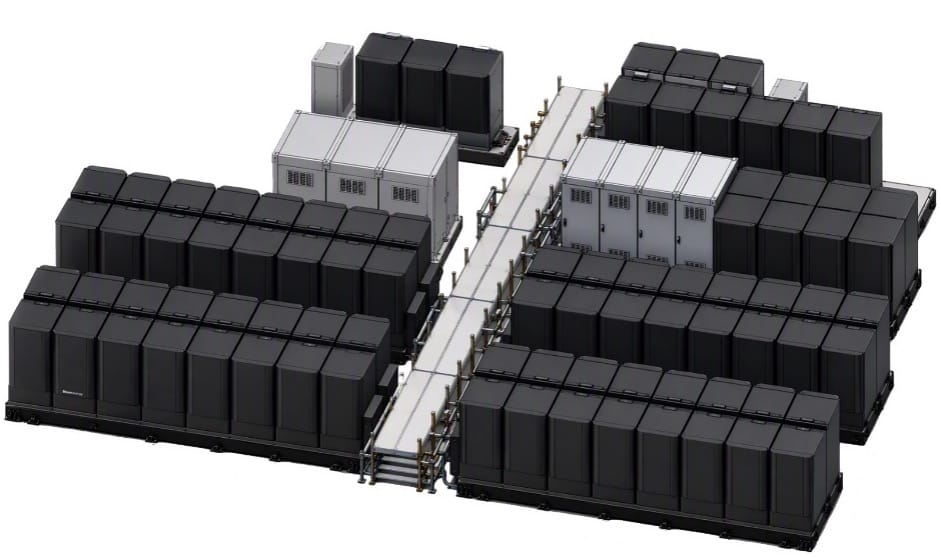
The Power Connect system addresses the logistical complexities often associated with deploying onsite generation for data centers and advanced manufacturing facilities. Traditionally, connecting new capacity requires extensive onsite construction, multiple contractors, and intricate electrical integration, all of which introduce execution risks. Bloom Energy is positioning this new system to mitigate those risks by delivering equipment that is pre-connected, pre-wired, and tested before it reaches the customer site. By moving a significant portion of the technical work into a manufacturing setting, the company intends to reduce onsite complexity and improve deployment consistency. This standardized approach is intended to accelerate the commissioning process, allowing for a more repeatable model for large-scale power installations across various industrial sectors.
Addressing Labor Shortages and Domestic Manufacturing
Beyond technical integration, Bloom Energy is linking the Power Connect rollout to the current shortage of skilled electrical trades. The company suggests that by simplifying the onsite installation process, available electricians can focus their expertise on higher-value tasks, potentially helping projects move forward despite workforce constraints. Furthermore, the system is manufactured and assembled within the United States through Bloom's existing domestic network. This strategy aligns with the company's stated commitment to American innovation and domestic manufacturing. As enterprises face soaring energy demands, the ability to deploy scalable, ultra-resilient fuel cell systems with reduced field labor requirements could become a critical factor in meeting aggressive project timelines for Fortune 500 customers and mission-critical organizations.
Key Takeaways
- Power Connect is designed to reduce onsite power installation time by more than 40%.
- The system moves critical electrical integration from the construction site to a controlled factory environment.
- All Power Connect components are manufactured and assembled in the United States.
EnergyInsyte's Take
In our view, Bloom Energy is pivoting from merely selling fuel cell technology to solving the "last mile" problem of energy infrastructure execution. The real barrier to rapid electrification is no longer just generation capacity, but the labor-intensive and unpredictable nature of onsite electrical integration. By modularizing the connection process, Bloom is attempting to turn a bespoke construction challenge into a predictable product delivery. This strategy directly addresses the two largest headwinds in the energy transition: skilled labor shortages and the urgent need for rapid, certain deployment timelines.
Questions & Answers
How does Power Connect impact project timelines for industrial users?
The system is designed to reduce onsite power installation time by over 40% by arriving pre-connected, pre-wired, and tested, which accelerates the commissioning phase.
What specific market pressures is Bloom Energy addressing with this launch?
The company is targeting the "race to secure electricity" faced by data centers and advanced manufacturing facilities, where complex onsite construction and contractor coordination often create execution risks.
How does this deployment model address the skilled labor shortage?
By shifting complex electrical integration from the field to a factory, the system allows the existing, limited pool of skilled electricians to focus on higher-value tasks rather than standard integration.
Where is the Power Connect hardware produced?
The system is manufactured and assembled in the United States through Bloom Energy's domestic manufacturing network.
Source: Businesswire