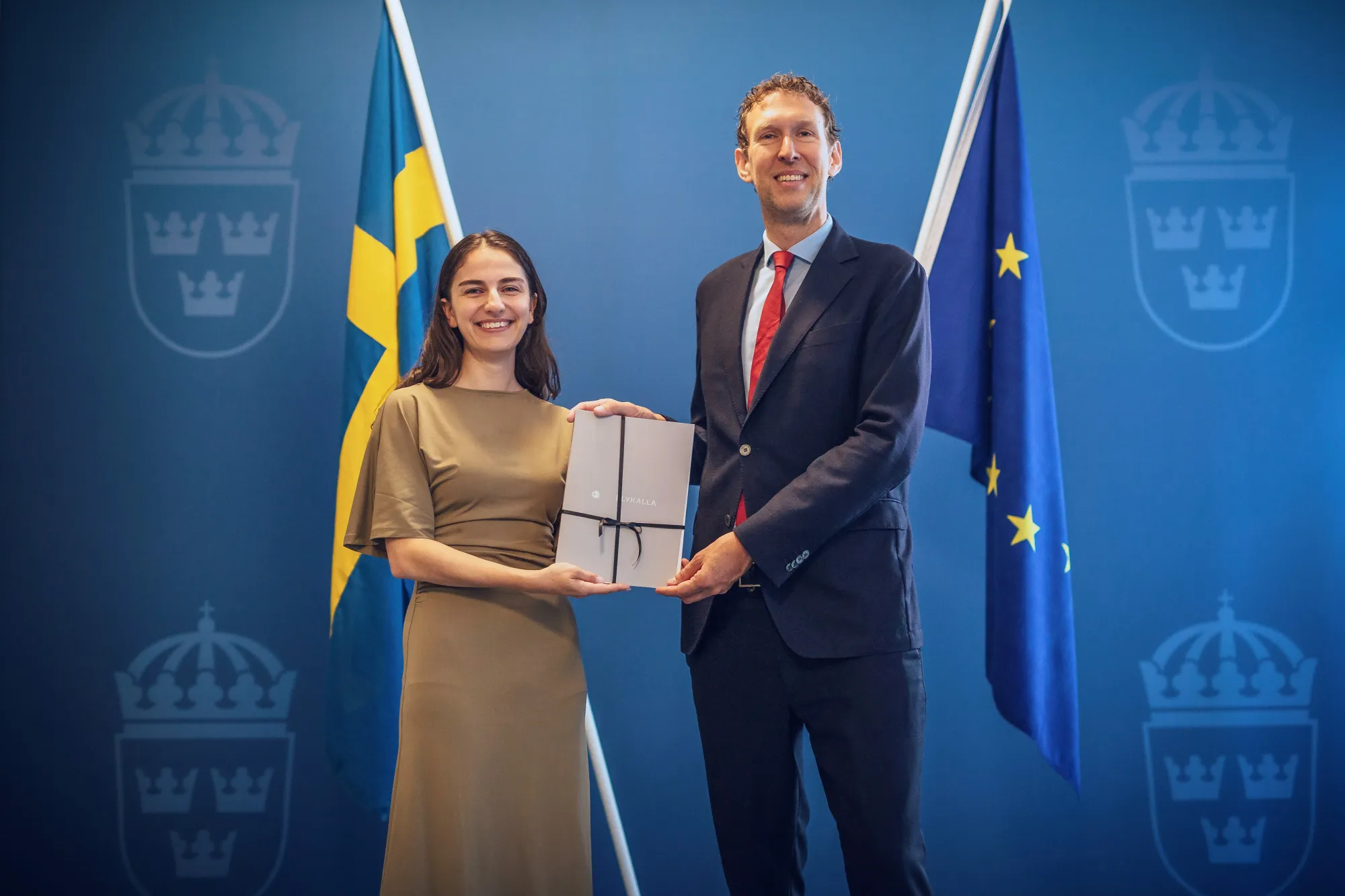
Blykalla is attempting to accelerate Sweden’s energy transition by proposing a second commercial advanced nuclear site to meet rising industrial demand. The company has submitted an application to the Swedish government for a reactor park in Untra, located within the Tierp municipality. This proposed facility aims to deploy up to eight lead-cooled advanced modular reactors (AMRs), targeting a combined electrical capacity of up to 440 megawatts (MW). This move follows a previous application for a Norrsundet facility, signaling a concentrated effort to secure a foothold in Sweden's evolving nuclear landscape.
Tierp Site Selection and Capacity Targets
The proposed Untra facility is designed to leverage specific regional infrastructure to support its 440 MW capacity goal. Blykalla is positioning the site within bidding zone SE3, an area characterized by Sweden's highest electricity consumption. A primary strategic driver for this location is the proximity to existing hydropower at Untra and Söderfors, which the company suggests will allow for a complementary power cluster of dispatchable nuclear and regulated hydropower. Furthermore, the site sits near the new 400 kV transmission infrastructure currently being constructed by Svenska kraftnät through the Uppsalapaketet program. By utilizing these existing and planned grid assets, Blykalla aims to facilitate industrial development and energy-intensive establishments in the region. The company is targeting first operations at the Tierp site during the first half of the 2030s, though this timeline remains contingent on a multi-year regulatory approval process involving the Swedish Radiation Safety Authority and the Land and Environmental Court.
SEALER Technology and Regulatory Pathways
Blykalla’s deployment strategy relies on its Swedish Advanced Lead Reactor (SEALER) technology, a fourth-generation small modular reactor (SMR) design. Each SEALER unit is intended to produce approximately 55 MWe using liquid lead as a coolant. To address historical technical barriers, the company is utilizing patented Swedish aluminum-alloyed steels designed to mitigate corrosion challenges associated with lead-cooled systems. The company claims this technology offers inherent passive safety, where cooling continues during total power loss without external electricity or human intervention. This application arrives under a new Swedish regulatory framework adopted in 2026, which provides the legal mechanism for reviewing and approving new nuclear facilities. If approved, the Tierp project would contribute approximately 18 percent of the Swedish government's 2,500 MW new nuclear capacity target for 2035. This development occurs alongside Blykalla's international efforts, including plans for a nuclear demonstration reactor in the United States to provide technology validation before full commercial deployment.
Key Takeaways
- The proposed Tierp facility aims for a combined electrical capacity of up to 440 MW using eight lead-cooled reactors.
- The project targets first operations in the first half of the 2030s, pending approvals from the government and the Swedish Radiation Safety Authority.
- The site is strategically located in bidding zone SE3 to leverage existing hydropower and new 400 kV transmission infrastructure.
EnergyInsyte's Take
In our view, Blykalla’s dual-application strategy demonstrates a sophisticated understanding of Sweden's grid constraints and regulatory shifts. By targeting bidding zone SE3 and aligning with the Uppsalapaketet transmission upgrades, the company is not just proposing a power plant, but an integrated energy node. The reliance on the SEALER technology's passive safety and factory-serial production model suggests a pivot away from the massive, centralized capital requirements of traditional nuclear toward a more modular, scalable approach. However, the success of this deployment hinges entirely on whether their patented alloys can successfully manage lead corrosion at scale and whether the multi-year Swedish regulatory process can accommodate such rapid technological deployment.
Questions & Answers
How does the Tierp project align with Sweden's national energy targets?
The project is positioned to contribute approximately 18 percent of the 2,500 MW of new nuclear capacity that the Swedish government has targeted for delivery by 2035.
What technical features define the SEALER reactor technology?
The SEALER is a fourth-generation small modular reactor that uses liquid lead as a coolant and utilizes patented aluminum-alloyed steels to address corrosion, aiming to provide passive safety without the need for external power or pumps.
What infrastructure advantages does the Untra location provide?
The site offers access to bidding zone SE3, proximity to existing hydropower at Untra and Söderfors, and access to Svenska kraftnät's new 400 kV transmission infrastructure in the Tierp municipality.
What is the projected timeline and regulatory path for this application?
Blykalla is targeting first operations in the first half of the 2030s, following a multi-year review process involving the Swedish government, the Swedish Radiation Safety Authority (SSM), the Land and Environmental Court, and Tierp municipality.
Source: Businesswire