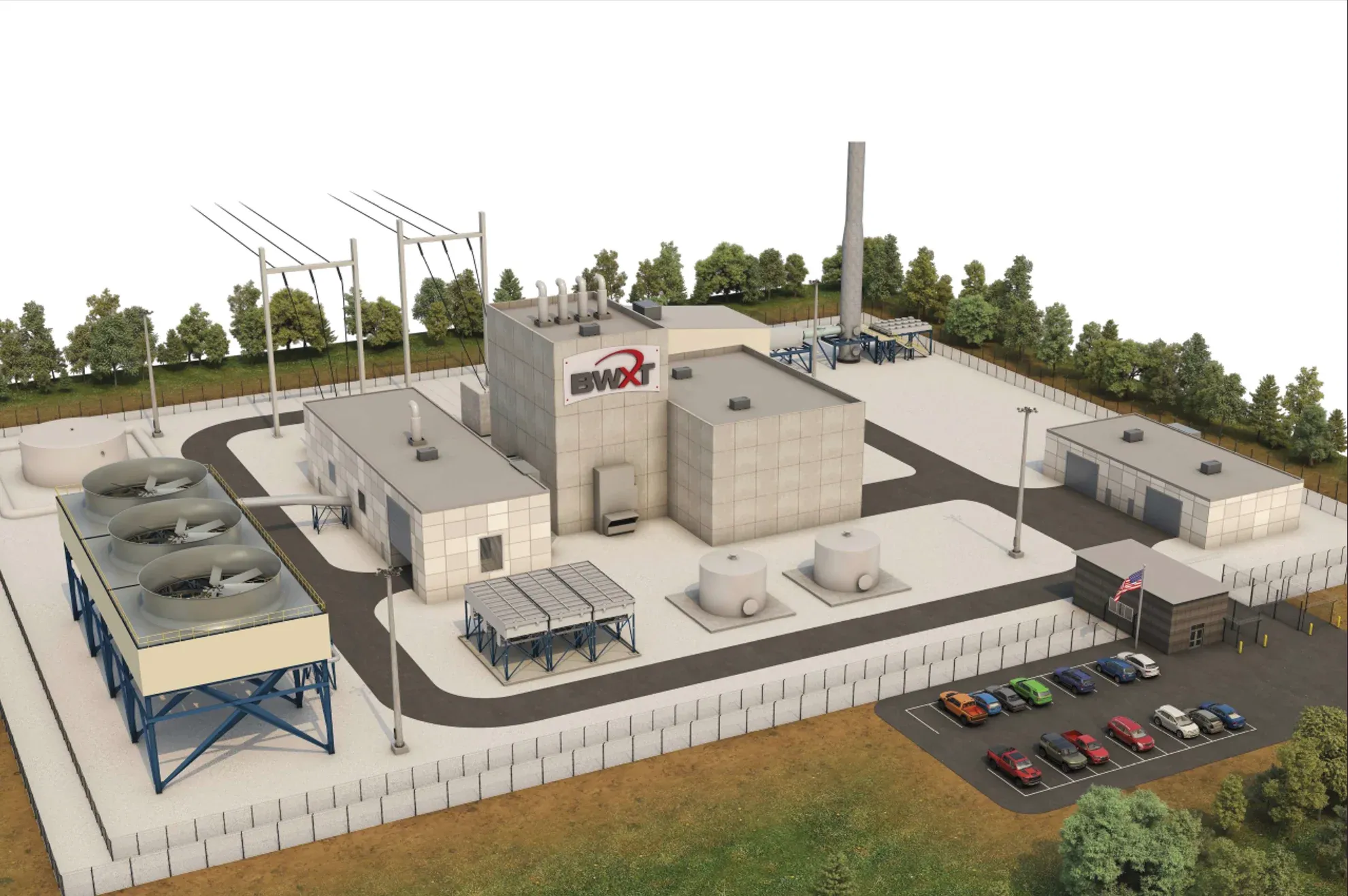
The U.S. Army is accelerating its transition toward decentralized, resilient power by selecting BWX Technologies, Inc. to deploy its Advanced Nuclear Reactor (BANR) technology. This selection supports the Janus program, a next-generation nuclear energy initiative launched in October 2025 in partnership with the Defense Innovation Unit. The deployment aims to provide reliable energy for national defense missions and critical military installations.
BANR Deployment at Fort Campbell
The U.S. Army has designated Fort Campbell, Kentucky, as the site for the first BANR deployment. For this specific mission, BWXT will deploy a 20-megawatt electric version of its high-temperature, gas-cooled reactor. The technology utilizes TRi-structural ISOtropic (TRISO) fuel to support its design. BWXT is moving into a phased contracting approach that involves final site selection at Fort Campbell, initiating nuclear regulatory processes, and starting TRISO fuel fabrication at existing company facilities. Additionally, the company will work to establish an operating company structure, characterize the site, and prepare supply chains for long-lead procurements required for the project.
Strategic Shift to Deployable Nuclear Hardware
The Janus program represents a strategic move by the Department of Defense to transition from experimental designs to reliable commercial hardware. According to Dr. Jeff Waksman, Principal Deputy Assistant Secretary of the Army for Installations, Energy and Environment, the program seeks to secure energy independence through rigorous technical and financial evaluations. The BANR technology is positioned to operate either behind the meter or integrated with the existing grid, offering a flexible energy solution for critical infrastructure. BWXT is targeting groundbreaking for site construction in late 2028, with the goal of commencing reactor operations in the early 2030s. This timeline suggests a long-term commitment to integrating advanced nuclear assets into military energy portfolios.
Key Takeaways
- BWXT will deploy a 20-megawatt electric version of its BANR technology at Fort Campbell, Kentucky.
- The Janus program, launched in October 2025, is a joint initiative between the U.S. Army and the Defense Innovation Unit.
- BWXT targets site construction groundbreaking in late 2028, with reactor operations expected to begin in the early 2030s.
EnergyInsyte's Take
In our view, the selection of BWXT signals a hardening of defense energy strategies, moving away from purely centralized grid reliance toward modular, high-temperature gas-cooled solutions. By prioritizing TRISO fuel and a 20-megawatt scale, the Army is testing whether small-scale advanced reactors can provide the necessary resilience for critical installations. This project serves as a high-stakes pilot for the broader commercial viability of advanced nuclear, testing whether these technologies can successfully bridge the gap between experimental physics and reliable, mission-ready industrial hardware.
Questions & Answers
What is the specific power capacity of the BANR unit for the Janus program?
The version of the BANR technology being deployed for the Janus program is a 20-megawatt electric reactor.
What is the projected timeline for the Fort Campbell deployment?
BWXT is targeting groundbreaking for site construction in late 2028, with the intention of commencing reactor operations in the early 2030s.
How does the BANR technology integrate with existing power structures?
The BANR is designed to be versatile, with the capability to operate behind the meter or integrate directly with the electrical grid.
What role does TRISO fuel play in this deployment?
The BANR is a high-temperature, gas-cooled reactor that utilizes TRi-structural ISOtropic (TRISO) fuel; BWXT will initiate fuel fabrication at its existing facilities as part of the first phase.
Source: Businesswire