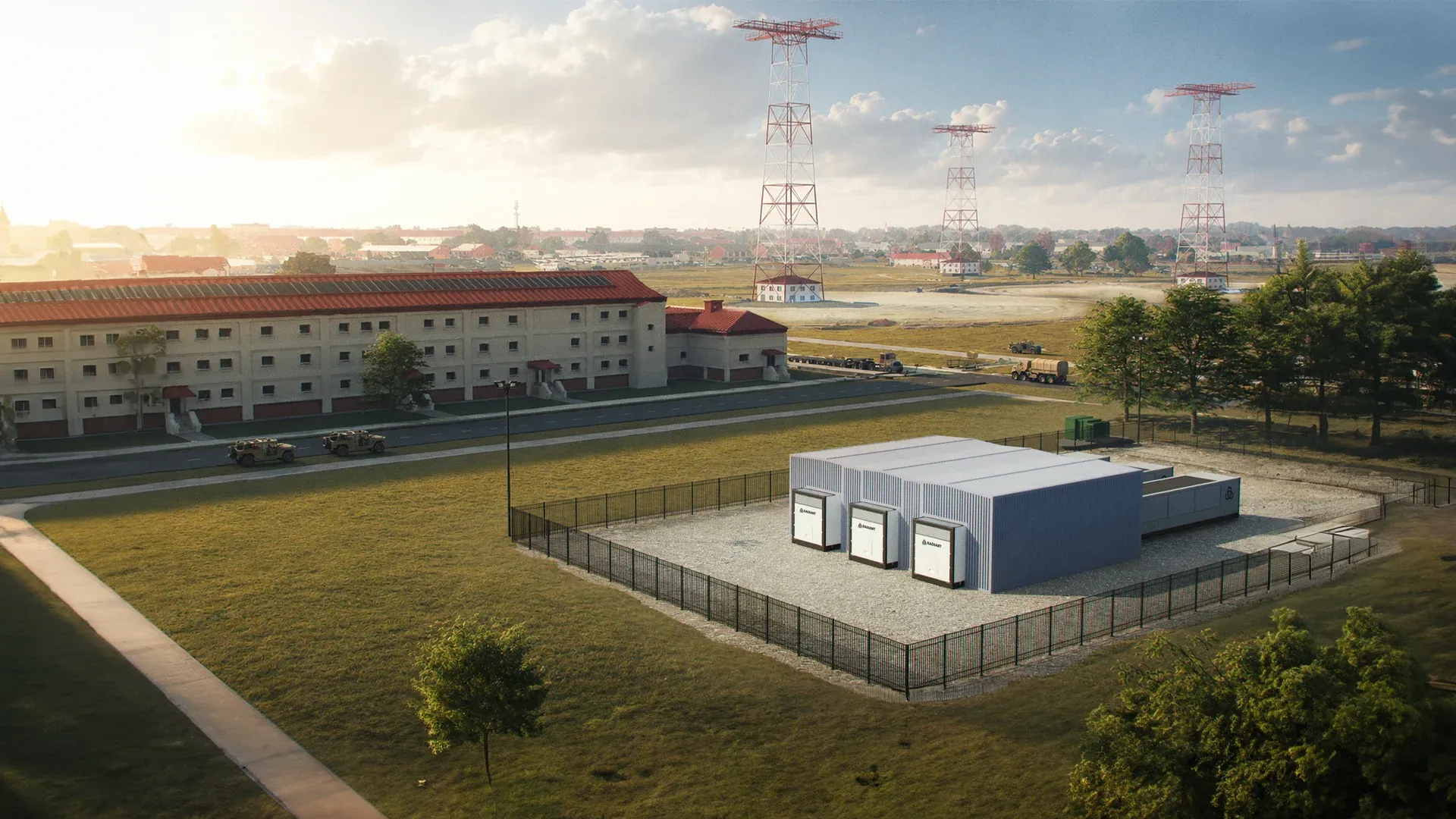
The U.S. Army is leveraging advanced nuclear technology to harden the energy resilience of its military installations and mission-critical infrastructure. Through a binding agreement totaling up to $750 million, Radiant will develop and deploy 15 Kaleidos nuclear microreactors as part of the Army’s Janus Program. This contract, executed in partnership with the Defense Innovation Unit (DIU), represents one of the largest awards in the DIU portfolio and the largest within the Janus Program itself. By integrating these transportable units, the Army aims to secure energy independence and operational continuity across multiple locations. The deployment strategy focuses on transitioning from experimental designs to reliable, factory-built hardware capable of supporting high-stakes national security missions.
Radiant Kaleidos Deployment and Janus Program Scale
The Janus Program serves as a strategic vehicle for the U.S. Army to capitalize on the intersection of government requirements and private-sector technical maturity. Radiant’s role involves manufacturing a fleet of factory-built, fully transportable reactors designed to provide independent power for military use cases. The company plans to deploy all 15 Kaleidos units by 2030. These reactors are intended to be identical in design to the units Radiant provides to its commercial customers, creating a dual-track development model. According to Radiant’s Chief Commercial Officer Mike Starrett, operating these units on military installations first provides the reliability track record necessary to unlock broader commercial markets. This approach suggests a strategy where government-funded deployment drives down costs through increased volume, eventually allowing the government to purchase at scale for less.
The selection process for the Janus Program involved a rigorous evaluation of technical, financial, and organizational capabilities conducted by a panel of experts. Radiant was chosen based on its reactor design, manufacturing readiness, and commercial viability. Beyond the immediate deployment of the 15 units, the program is designed to acquire operational data that could accelerate the deployment of microreactors across a global commercial footprint. This includes supporting critical infrastructure, such as data centers and advanced manufacturing sites, where reliable, decentralized power is a primary requirement.
Kaleidos Technical Specifications and Infrastructure Integration
The Kaleidos microreactor is a 1-megawatt unit engineered for rapid deployment via land, sea, or air. Unlike traditional, permanently installed nuclear facilities that require site-specific construction and extensive cooling water, the Kaleidos is described as a "plug-in ready" system that requires no cooling water. The reactor arrives as a sealed, fueled unit that can be connected to a site immediately. Each unit is designed for a 20-year operating life cycle and provides up to five years of power before requiring refueling. Because the technology is not a "hole-in-the-ground" reactor, it offers a level of mobility and flexibility that traditional nuclear assets lack, allowing units to be added or relocated as energy requirements evolve.
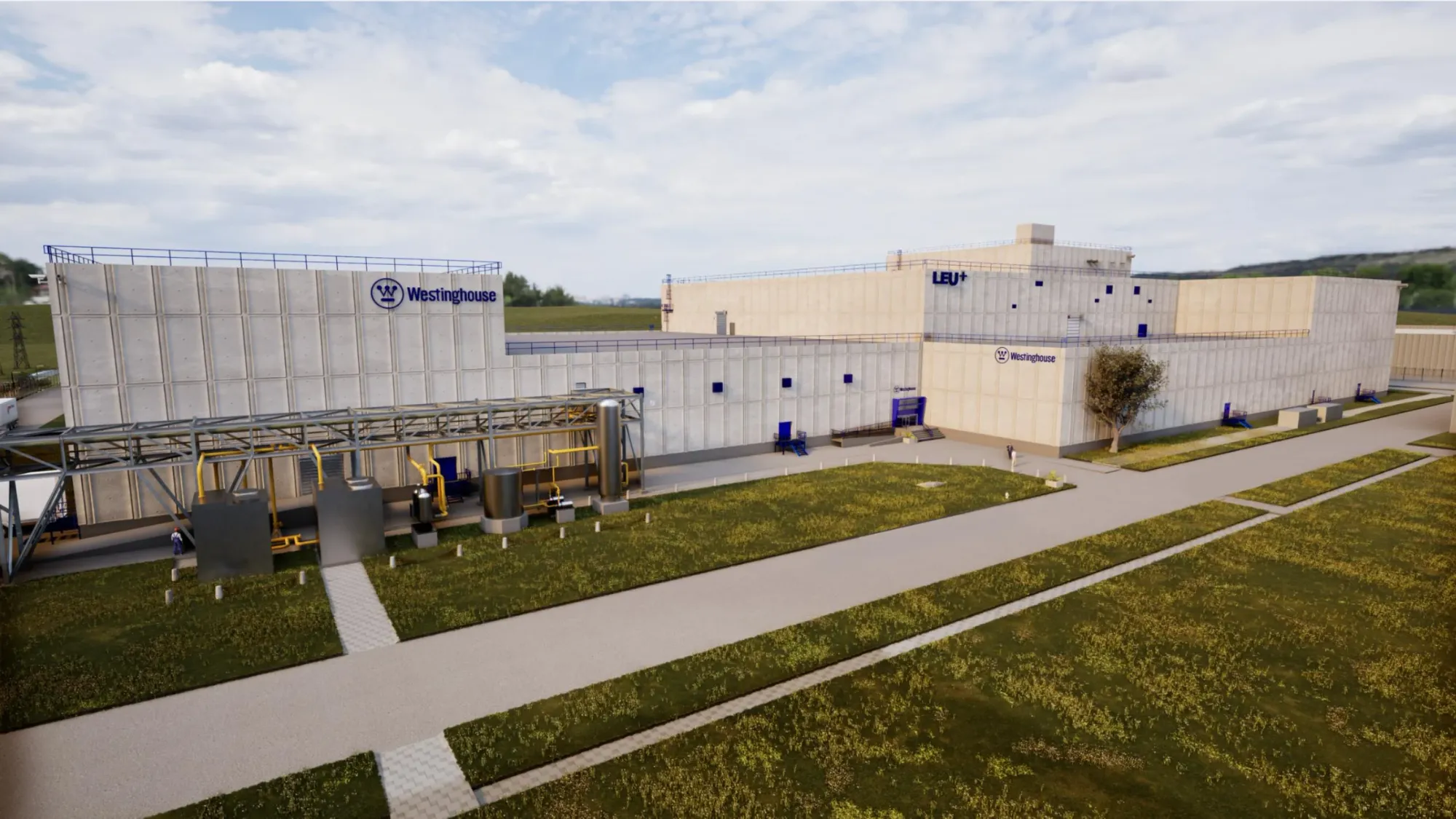
To support this deployment, Radiant is establishing a vertically integrated industrial capability. The company is currently constructing a 300,000-square-foot manufacturing, fueling, and storage campus, known as R-50, in Oak Ridge, Tennessee. This facility is intended to allow Radiant to control the entire supply chain, from production to fueling and service. A critical component of the service model is the management of spent fuel; Radiant intends to manage fueling, refueling, and spent-fuel storage at its own facilities. This ensures that customer sites never host onsite spent fuel storage and can return to greenfield condition within two years or less after a unit is removed. Currently, the Kaleidos design is undergoing testing at the Idaho National Laboratory DOME facility.
Key Takeaways
- Radiant secured a binding agreement with the U.S. Army and DIU for up to $750 million to deploy 15 Kaleidos microreactors by 2030.
- The Kaleidos is a 1-megawatt, transportable nuclear microreactor that provides up to five years of power before refueling and features a 20-year operating life cycle.
- Radiant is constructing a 300,000-square-foot manufacturing and fueling campus in Oak Ridge, Tennessee, to maintain end-to-end ownership of its supply chain.
EnergyInsyte's Take
In our view, this $750 million contract signals a significant shift in how the Department of Defense approaches energy security, moving away from centralized grid reliance toward decentralized, modular nuclear assets. By utilizing the Janus Program to fund the initial scale-up of the Kaleidos technology, the U.S. Army is effectively acting as a first-mover customer to de-risk the commercialization of microreactors. This creates a symbiotic loop: military requirements provide the capital and operational testing needed to mature the technology, while the resulting commercial scale is intended to drive down unit costs for the government. For the broader energy sector, Radiant’s move toward vertical integration—specifically through the R-50 campus—highlights the necessity of controlling the fuel and manufacturing supply chain to ensure the rapid, predictable deployment required for both defense and high-uptime commercial sectors like data centers.
Questions & Answers
How does the Kaleidos microreactor differ from traditional nuclear power plants in terms of deployment?
Unlike traditional nuclear plants that require site-specific construction and significant cooling water infrastructure, the Kaleidos is a 1-megawatt, "plug-in ready" unit that is fully transportable by land, sea, or air. It is designed to be deployed directly at customer sites as a sealed, fueled unit, avoiding the long lead times associated with permanent installations.
What is the strategic objective of the U.S. Army's Janus Program?
The Janus Program is designed to strengthen the energy resilience of military installations and mission-critical infrastructure. It aims to transition nuclear technology from experimental designs to reliable, commercial-grade hardware that secures energy independence for the U.S. military.
How does Radiant manage the long-term operational risks of nuclear fuel?
Radiant utilizes a vertically integrated model where it manages fueling, refueling, and spent-fuel storage at its own facilities. This approach ensures that customer sites do not have to manage onsite spent fuel storage and can return to a greenfield condition within two years or less after a unit is decommissioned.
What role does the R-50 campus play in Radiant's business model?
The 300,000-square-foot R-50 campus in Oak Ridge, Tennessee, serves as a manufacturing, fueling, and storage hub. By owning this facility, Radiant intends to control every step of the production and service lifecycle, providing end-to-end ownership of its supply chain to support both military and commercial deployments.
Source: Businesswire