Pacific Fusion is attempting to bridge the gap between laboratory physics and industrial-scale energy production by breaking ground on a $1 billion Research & Manufacturing Campus in Albuquerque, New Mexico. The company is positioning this facility as a dual-purpose engine for both commercial energy viability and national security research. By targeting a net facility gain by 2030, Pacific Fusion aims to prove that fusion can produce more energy than the total energy initially stored in the machine. This strategic move seeks to establish a domestic manufacturing ecosystem for modular, pulsed-power components while directly addressing the rising electricity demands of the AI era and the technical requirements of U.S. nuclear stockpile stewardship.
Pacific Fusion Targets Net Gain and High-Yield Milestones
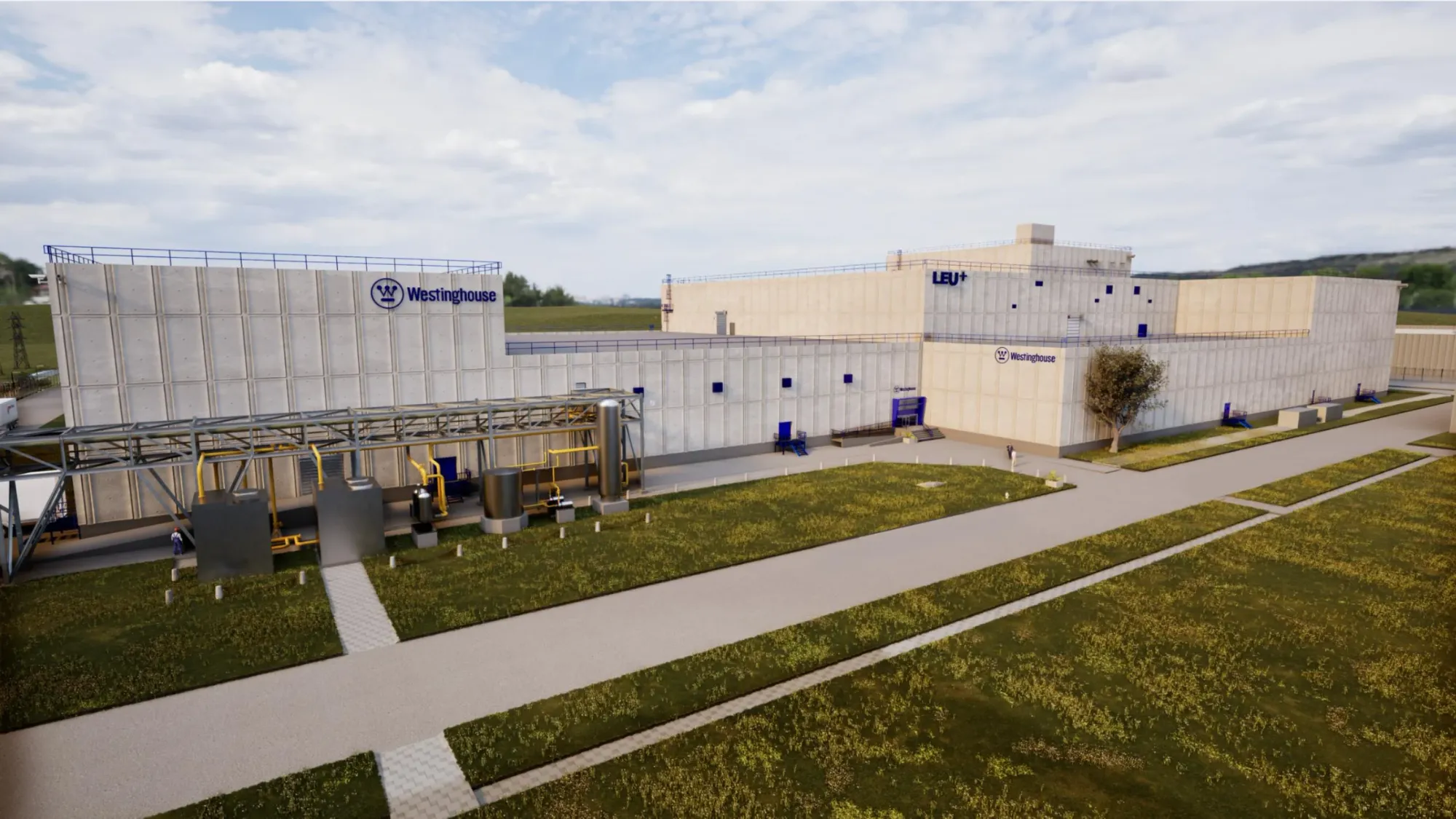
The Albuquerque facility at Mesa del Sol is designed to host the company's Demonstration System, which is engineered to achieve two primary technical objectives. First, the system aims to reach net facility gain by 2030, a milestone the company describes as essential for the transition to commercial fusion power. Second, the facility is being built to produce bursts of high-energy fusion output exceeding 100 megajoules. This capability would make it the only "high-yield" fusion facility currently under construction in the United States.
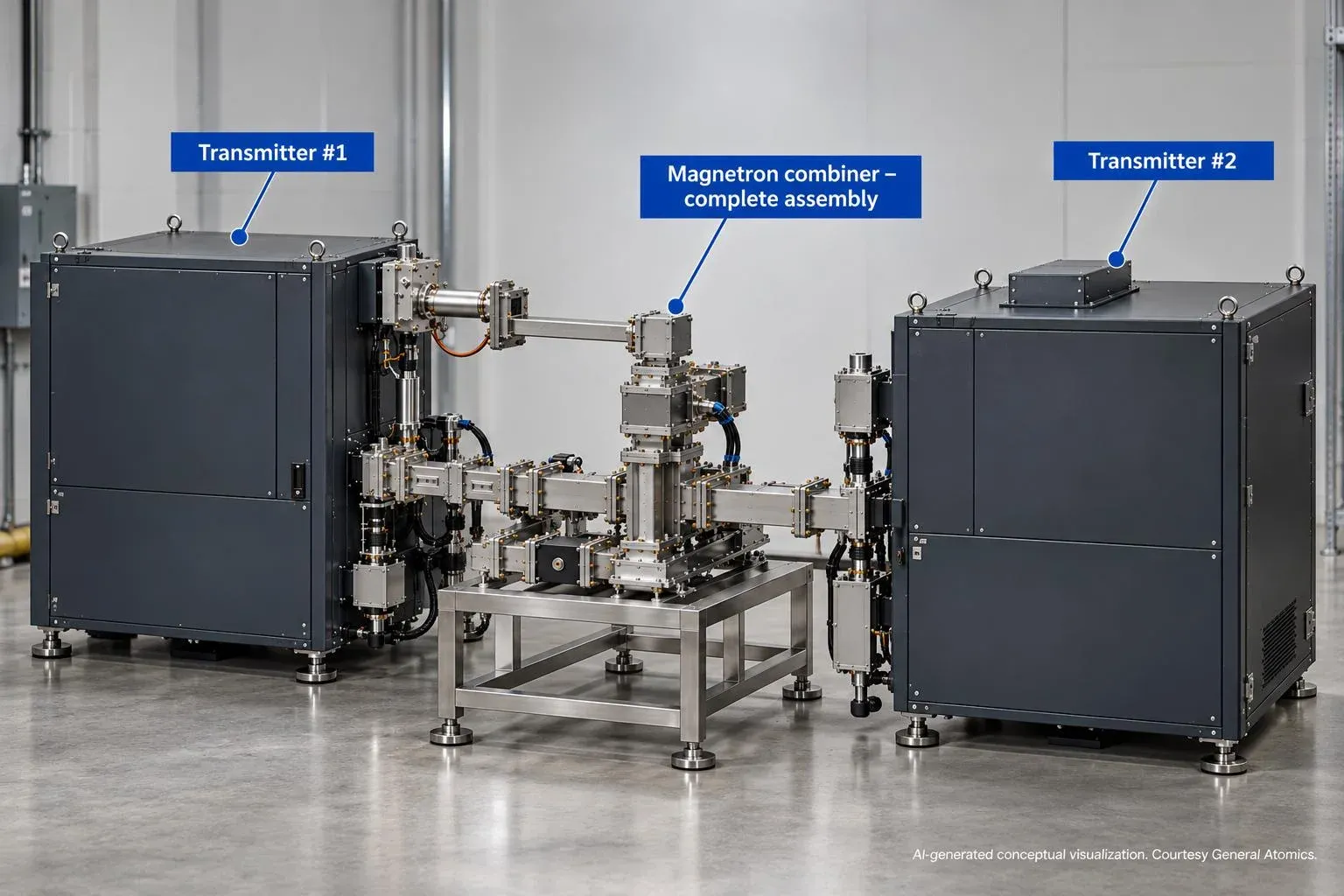
High-yield fusion is a specific technical capability required to create conditions relevant to national security research. This capability provides a platform for the science necessary to maintain the U.S. nuclear stockpile without resorting to explosive nuclear testing. To support these objectives, Pacific Fusion is developing a pulser-driven inertial fusion system. Unlike traditional approaches, this technology utilizes modular, mass-manufacturable components made from readily available materials. The company is already expanding its manufacturing footprint in Los Lunas to produce these modular pulsed-power components, signaling a shift from pure research toward industrial-scale production capabilities.
NNSA Partnership and National Security Implications
The project’s significance extends beyond power generation into the realm of defense infrastructure through a new public-private partnership. The Department of Energy’s National Nuclear Security Administration (NNSA) and Pacific Fusion have signed a Memorandum of Understanding (MOU) regarding collaboration on high-yield fusion, high-energy-density science, and related technical areas. This agreement allows both parties to identify collaboration opportunities in pulsed-power technologies, advanced materials, and modeling and simulation.
The NNSA is positioning this collaboration as a way to ensure the United States remains competitive in the global fusion race, specifically noting the rapid investments being made by China in next-generation fusion for both energy and security. By integrating high-yield research into a private-sector manufacturing model, the partnership seeks to provide the scientific tools required for science-based stewardship of the nuclear stockpile. This development highlights a growing trend where private fusion ventures are being leveraged to solve long-standing federal research needs that the U.S. government identified more than 30 years ago.
Key Takeaways
- Pacific Fusion is investing $1 billion into a Research & Manufacturing Campus in Albuquerque, New Mexico, to develop its Demonstration System.
- The company aims to achieve net facility gain—producing more energy than the total energy initially stored in the machine—by 2030.
- A Memorandum of Understanding with the NNSA establishes a partnership to collaborate on high-yield fusion and high-energy-density science for national security.
EnergyInsyte's Take
In our view, Pacific Fusion’s strategy represents a calculated pivot from theoretical fusion research toward a "manufacturing-first" industrial model. By focusing on modular, mass-manufacturable pulsed-power components, the company is attempting to bypass the bespoke, high-cost engineering hurdles that have historically stalled fusion commercialization. The $1 billion investment in New Mexico is not just about a single facility; it is an attempt to build a localized supply chain that can scale. Furthermore, by securing an MOU with the NNSA, Pacific Fusion is effectively de-risking its mission, aligning its technical milestones with critical U.S. national security requirements. This dual-track approach—targeting both the commercial grid and the defense sector—provides a more robust capital and regulatory pathway than a purely energy-focused venture. If the 2030 net gain target is met, it will signal the transition of fusion from a scientific pursuit to a viable industrial asset class.
Questions & Answers
How does Pacific Fusion intend to achieve commercial scalability compared to traditional fusion methods?
Pacific Fusion is developing a pulser-driven inertial fusion system that relies on modular, mass-manufacturable components made from readily available materials. This approach is designed to move away from highly specialized, custom-built hardware toward a scalable industrial manufacturing model.
What is the strategic importance of the "high-yield" capability for the U.S. government?
High-yield fusion, defined here as the ability to produce bursts exceeding 100 megajoules, provides the necessary conditions for high-energy-density science. This is critical for the science-based stewardship of the U.S. nuclear stockpile, allowing for research that maintains nuclear security without the need for explosive nuclear testing.
What are the specific technical and economic goals for the New Mexico campus?
Technically, the campus aims to demonstrate net facility gain by 2030 and achieve high-yield fusion output. Economically, the $1 billion investment is expected to support approximately 200 permanent jobs in Albuquerque and expand manufacturing operations in Los Lunas.
How does the NNSA partnership influence the project's trajectory?
The Memorandum of Understanding (MOU) with the NNSA formalizes a collaboration on high-yield fusion and pulsed-power technologies. This partnership aligns Pacific Fusion's technological development with national security interests, potentially providing a framework for federal engagement in fusion research and development.
Source: Businesswire