The rapid expansion of artificial intelligence is shifting the primary bottleneck for data center growth from silicon availability to reliable power access. As AI-driven demand intensifies, the industry is facing critical questions regarding grid interconnection delays, renewable energy bottlenecks, and the necessity of behind-the-meter power generation. Data Center World Power 2026, scheduled for September 21-23 at the Gaylord Texan Resort & Convention Center in Dallas, aims to address these infrastructure hurdles. The event is positioning itself as a central forum where data center operators, utilities, and energy providers must negotiate the complex requirements of the emerging AI economy to ensure future capacity deployment.
Addressing the AI-Driven Power Sourcing Crisis
The second annual Data Center World Power event is structured to confront the specific technical and regulatory pressures currently impacting data center scalability. According to the announcement, the conference will focus on the transition from centralized AI training facilities toward distributed infrastructure designed to support AI inference. This shift introduces new complexities in how power is managed and consumed across various geographic locations. The program is organized into four strategic tracks: Power Sourcing & Grid Integration, Alternative Power & Energy Innovation, AI, Power Density & Thermal Management, and Ecosystem, Business Strategy & Workforce Development.
Keynote presentations will feature industry leaders including Tom Garvens, Vice President of Data Center Technology and Systems at Google; Scott Hart, Executive Vice President at NRG Business; and Alise Porto, Senior Vice President of Power and Sustainability at Switch. These sessions are intended to examine the evolving relationship between data centers, energy providers, and the electrical grid. Additionally, the event includes more than 50 expert-led sessions and a technical workshop sponsored by Emerson. To provide practical context, the organizers have arranged an interactive site tour of a CyrusOne facility, allowing attendees to inspect state-of-the-art data center infrastructure firsthand.
Navigating Grid Interconnection and Energy Innovation
As power availability increasingly dictates the speed and cost of data center deployment, the industry is exploring alternative methods to bypass traditional grid constraints. The conference highlights several critical trends, including the deployment of battery storage, the integration of onsite generation, and the management of high-density computing thermal requirements. These technical challenges are compounded by growing regulatory and community pressures surrounding data center development, which may impact future site selection and permitting processes.
The event's expo hall will showcase technologies specifically targeting power generation, energy storage, grid infrastructure, and cooling. This focus reflects a broader industry movement toward diversifying energy sources to mitigate the risks of grid interconnection delays. By bringing together entities such as ExxonMobil, Emerson, and various energy technology providers, the forum seeks to facilitate the partnerships required to bridge the gap between massive AI power requirements and existing utility capabilities. The discussions are expected to cover how emerging technologies can expand both power availability and operational resilience in an era of unprecedented load growth.
Key Takeaways
- Data Center World Power 2026 will take place September 21-23 in Dallas, TX, focusing on the energy requirements of the AI economy.
- The conference program includes four strategic tracks covering grid integration, alternative power, thermal management, and business strategy.
- Keynote speakers include executives from Google, NRG Business, and Switch to discuss the relationship between data centers and the grid.
EnergyInsyte's Take
In our view, the focus of Data Center World Power 2026 signals a fundamental shift in the data center value chain: energy procurement is no longer a secondary operational concern but a primary driver of site selection and capital expenditure. The emphasis on "behind-the-meter" generation and "distributed infrastructure" suggests that the industry is preparing for a reality where traditional utility interconnection timelines are insufficient to meet AI growth projections. This move toward onsite generation and battery storage indicates that large-scale operators are increasingly looking to decouple their growth from grid volatility. For utilities and energy providers, this represents both a challenge and an opportunity to redefine partnership models. The industry is moving past the theoretical discussion of AI's power needs and into a high-stakes execution phase where the ability to secure and manage electrons will determine market leadership.
Questions & Answers
How is the shift from AI training to AI inference impacting energy requirements?
The shift toward distributed infrastructure to support AI inference suggests a change in how power is consumed, moving from centralized, high-capacity training hubs to more distributed models that require localized power management and potentially different grid integration strategies.
What specific energy challenges is the industry attempting to solve through alternative power?
The industry is exploring onsite generation, energy storage, and renewable energy integration to address critical bottlenecks such as grid interconnection delays, renewable energy availability, and the need for increased power resilience.
Which key industry players will be contributing to the discussions on grid relationships?
The event will feature insights from executives at Google, NRG Business, and Switch, specifically addressing the evolving and complex relationship between data center operators, energy providers, and the electrical grid.
How does high-density computing affect data center infrastructure planning?
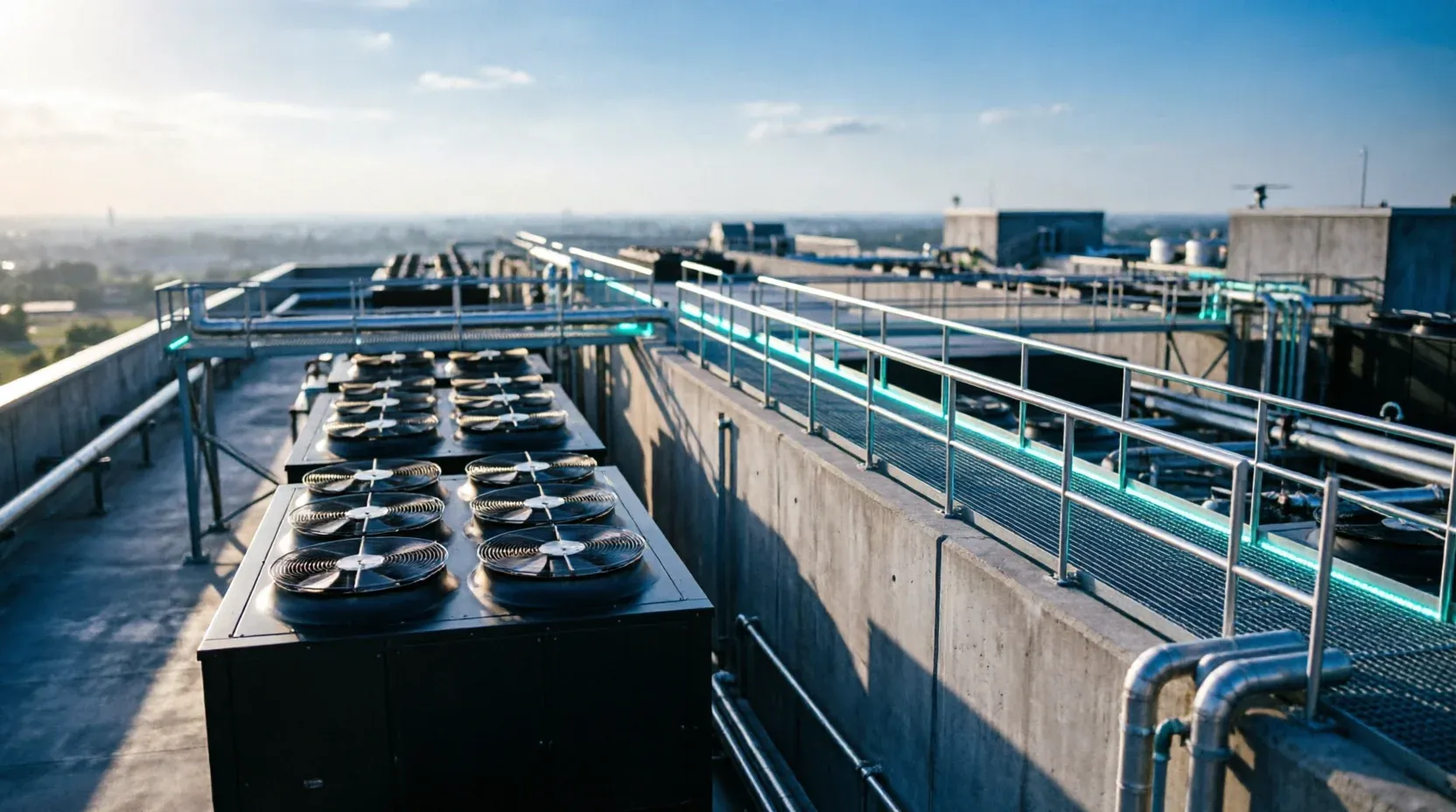
High-density computing, driven by AI, creates rapidly changing power and cooling requirements, necessitating advancements in thermal management and power density technologies to maintain operational stability.
Source: Businesswire