Pacifico Mexinol is positioning its upcoming methanol facility as a model for industrial water circularity by integrating large-scale municipal wastewater reuse into its core operational design. Developed by Transition Industries LLC, the project aims to decouple industrial growth from freshwater consumption by utilizing treated municipal effluent rather than competing with local agricultural or domestic users. This strategic approach seeks to align the facility's massive production requirements with United Nations Sustainable Development Goals, specifically targeting increased wastewater recycling and safe reuse within the Ahome Municipality of Sinaloa, Mexico.
Transition Industries LLC Methanol Project Scale
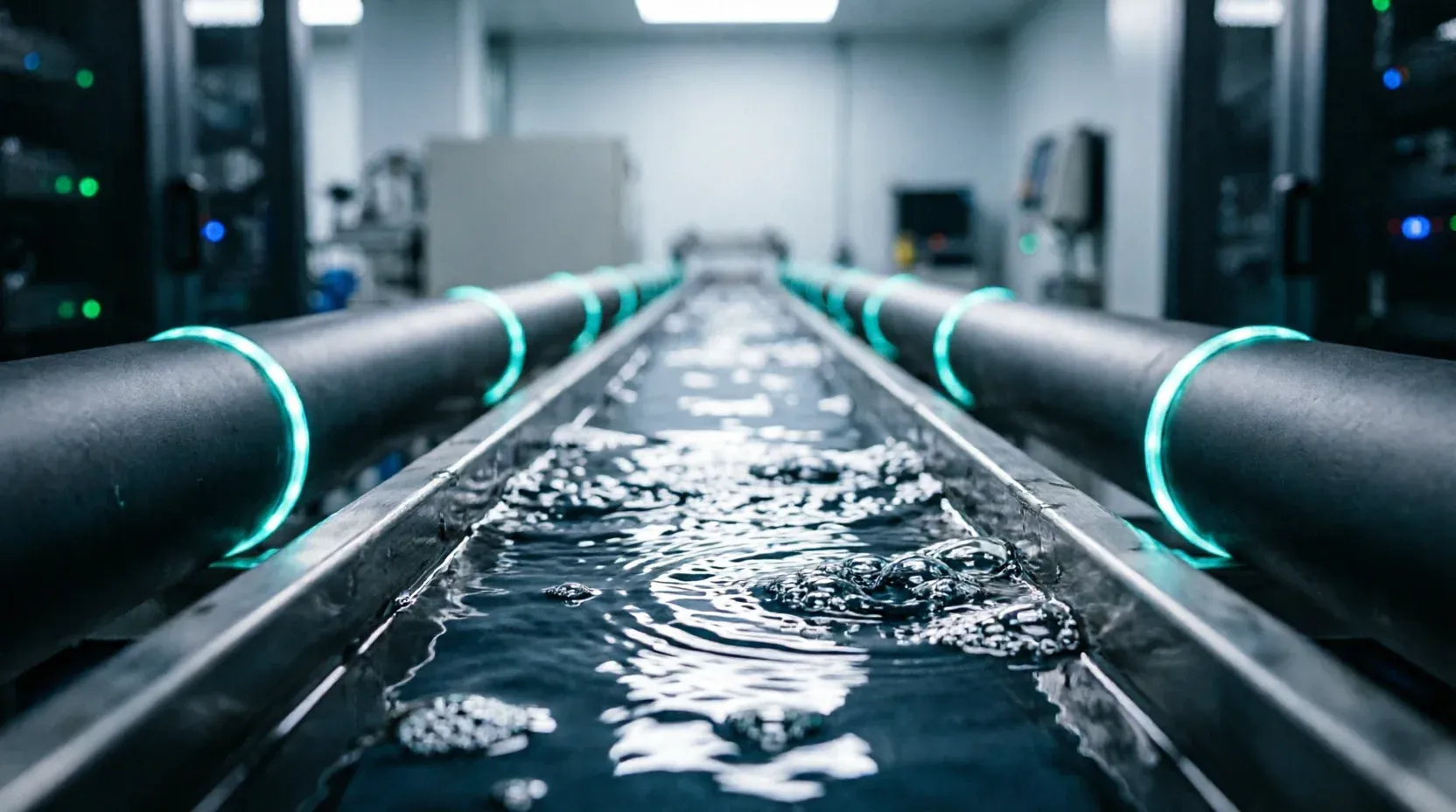
The Pacifico Mexinol project is being engineered to function as a standalone Net Zero chemical production facility, targeting a daily production capacity of 6,130 metric tons (MT) of ultra-low carbon methanol. To support this industrial scale, the company is implementing a circular water economy that avoids drawing from the Bay of Ohuira or discharging into it. Instead, the facility will purchase treated wastewater from the Ahome Municipality Drinking Water and Sewerage Board (JAPAMA) via a fee-based arrangement. This wastewater will be transported through a dedicated pipeline to the Mexinol site, where a new treatment plant will process the effluent for industrial use. Once cleaned, the water is intended to be recycled back to JAPAMA’s oxidation lagoons, creating a closed-loop system that provides a secondary life for municipal resources while generating new revenue streams for local utility operators.
JAPAMA Infrastructure Modernization and Veolia Partnership
A critical component of the project involves the rehabilitation of the aging 9 de Diciembre wastewater pretreatment plant, which currently serves the city of Los Mochis. Pacifico Mexinol plans to modernize this existing JAPAMA infrastructure by installing mechanized screening, grit-removal systems, and improved process automation to restore original treatment capacities. This investment is designed to reduce the discharge of untreated water into the local environment. To ensure technical execution, Pacifico Mexinol signed a Memorandum of Understanding (MOU) in early 2025 with Veolia. The French multinational will manage the design, equipment procurement, commissioning, and operation of the methanol project's treatment plant. By leveraging Veolia’s resource management expertise, the project aims to optimize system performance and maintain the high levels of technological innovation required to manage municipal wastewater at this industrial scale.
Key Takeaways
- Pacifico Mexinol targets a daily production capacity of 6,130 metric tons of ultra-low carbon methanol.
- The project utilizes a circular water model, purchasing treated municipal wastewater from JAPAMA rather than using freshwater.
- Veolia has been engaged via an MOU to design, equip, and operate the facility's specialized treatment plant.
EnergyInsyte's Take
In our view, Pacifico Mexinol’s strategy represents a sophisticated attempt to de-risk large-scale chemical production in water-stressed regions. By integrating municipal infrastructure upgrades—specifically the modernization of the JAPAMA plant—Transition Industries LLC is not just securing its own supply chain but is also building social license through "Good Neighbor" investments. The reliance on Veolia for specialized operations suggests that the technical complexity of scaling municipal wastewater reuse for high-purity chemical production is a significant barrier to entry. If successful, this model could provide a blueprint for how ultra-low-carbon industrial hubs can coexist with local agricultural and municipal water needs.
Questions & Answers
How does the Pacifico Mexinol project impact local freshwater availability?
The project is designed to avoid competing with agricultural, municipal, or domestic users for natural water sources by utilizing treated municipal wastewater instead of drawing from freshwater supplies or the Bay of Ohuira.
What role does Veolia play in the Ahome methanol project?
Under an MOU signed in early 2025, Veolia is responsible for the design, equipment, commissioning, start-up, and operation of the treatment plant required for the methanol project.
What specific infrastructure upgrades are being made to the JAPAMA facility?
Mexinol plans to install mechanized screening and grit-removal systems, restore pumping capacity, and improve process automation at the 9 de Diciembre wastewater pretreatment plant to restore its original capacity.
What is the projected production capacity of the Mexinol facility?
The facility is expected to have a production capacity of 6,130 metric tons (MT) of ultra-low carbon methanol per day when it begins operations in 2030.
Source: Businesswire