Kanadevia Corporation is attempting to redefine the role of waste-to-energy (WtE) facilities by integrating carbon capture directly into the combustion process. The company plans to launch the world's first technology demonstration of its High-CO₂-Concentration Waste Incineration Technology at the Shinagawa Incineration Plant in Tokyo. This strategic move aims to transform standard incineration plants into carbon-neutral circularity hubs by significantly increasing flue gas CO₂ concentrations.
Shinagawa Plant Pilot and Technical Specifications
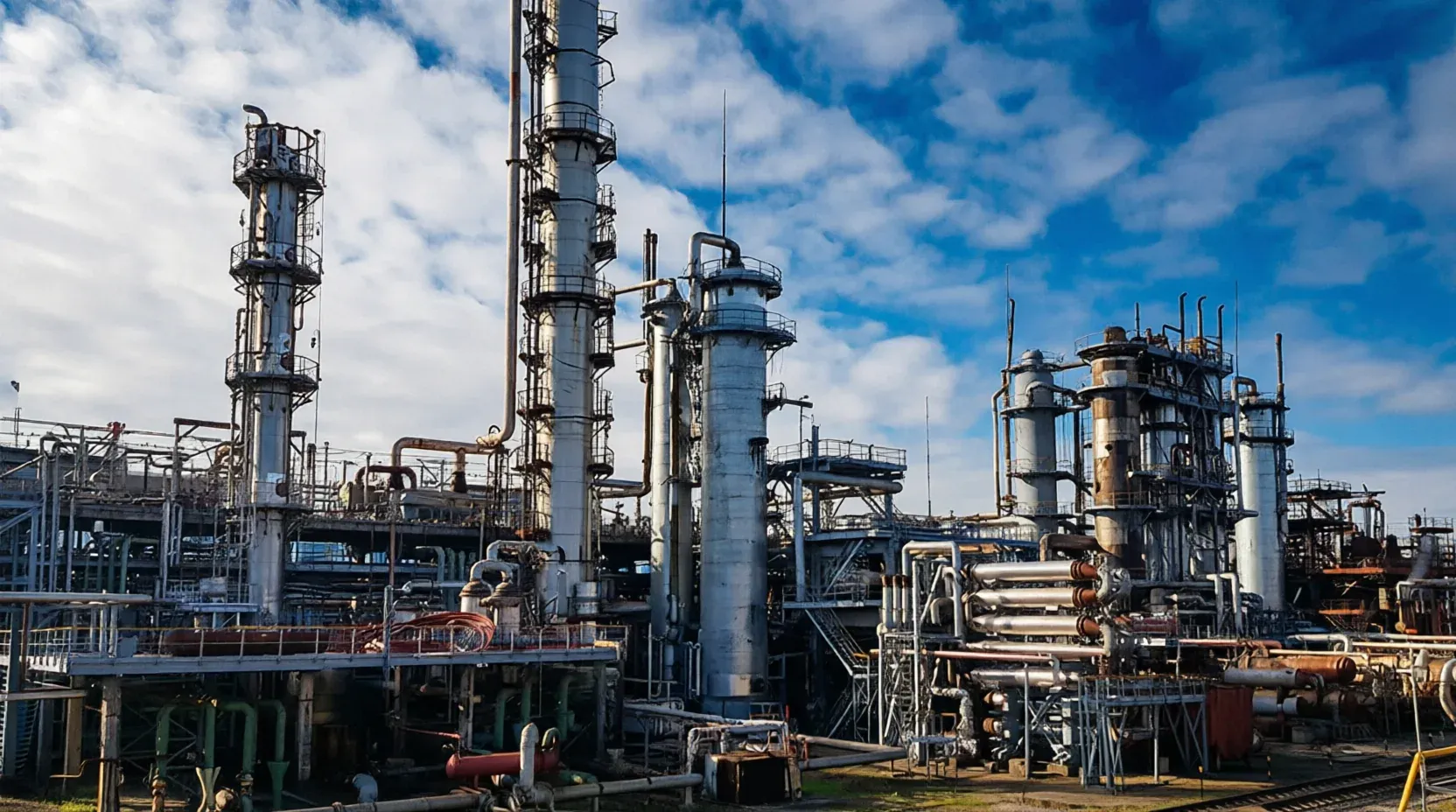
The demonstration project, scheduled to begin in November 2026, utilizes a pilot-scale plant located at the Shinagawa Incineration Plant in Shinagawa City, Tokyo. This facility features an incinerator capable of processing 2 tons of waste per day, paired with a specialized CO₂ separation and capture system. Kanadevia's approach involves replacing standard combustion air with oxygen and recirculated flue gas. This method is designed to increase CO₂ concentrations in the flue gas to several times the levels seen in conventional systems. While current WtE plants typically see CO₂ concentrations between 8% and 15%, Kanadevia aims to raise this range to 30% to 60%. The company intends to run this demonstration through FY2030 to validate the commercial viability of the technology.
Enhancing Carbon Circularity and Capture Efficiency
Kanadevia is positioning this technology to solve the spatial and efficiency constraints currently facing carbon capture integration in the WtE sector. By concentrating CO₂ at the source, the company expects to reduce the volume of flue gas requiring treatment to only a fraction of conventional levels. This reduction could decrease the physical footprint required for capture equipment, a critical factor for existing urban plants. Laboratory testing has already indicated a CO₂ recovery rate exceeding 90% with a purity level above 95%. The ultimate goal is to achieve a stable capture rate of more than 90% from the enriched flue gas. Once commercialized, the captured CO₂ could be liquefied or utilized as feedstock for methanation, allowing WtE plants to function as carbon-neutral circularity plants.
Key Takeaways
- Kanadevia will begin a pilot demonstration at the Shinagawa Incineration Plant in November 2026.
- The technology aims to increase flue gas CO₂ concentration from the standard 8%–15% to between 30% and 60%.
- The project, which runs through FY2030, targets a stable CO₂ capture rate of more than 90%.
EnergyInsyte's Take
In our view, Kanadevia is addressing the primary bottleneck of carbon capture in waste management: the high cost and massive footprint of treating dilute flue gas. By shifting the focus from "end-of-pipe" capture to "in-combustion" enrichment, the company is testing whether WtE assets can be repurposed as industrial feedstock providers rather than just electricity generators. If the Shinagawa pilot signals that high-purity CO₂ can be captured with significantly less equipment, it could trigger a shift in how municipalities value waste infrastructure in a decarbonizing economy.
Questions & Answers
How does the proposed technology differ from standard carbon capture at WtE plants?
Unlike conventional methods that add capture systems to dilute flue gas (8%–15% CO₂), Kanadevia's technology uses oxygen and recirculated flue gas to enrich the concentration to 30%–60% during combustion, potentially reducing the required equipment size and gas volume.
What are the projected performance metrics for this technology?
Based on laboratory-scale testing, the technology has demonstrated a CO₂ recovery rate of more than 90% and a CO₂ purity of more than 95%, with the project aiming to stabilize these capture rates during the demonstration.
What is the strategic end-use for the captured CO₂?
The company suggests that captured CO₂ could be liquefied or utilized as a feedstock for methanation, which would allow WtE plants to operate as carbon-neutral circularity plants.
What is the timeline for the Shinagawa Incineration Plant demonstration?
The demonstration is scheduled to begin in November 2026 and is expected to continue through the end of fiscal year 2030.
Source: Kanadevia