Delectrik Systems has secured a contract to deploy India's first utility-scale Vanadium Redox Flow Battery project, boasting a 100 MWh capacity. Awarded by NTPC Renewable Energy Limited, the project is a collaborative effort with infrastructure provider Bondada Engineering Limited. This deployment represents a significant shift toward non-lithium long-duration energy storage solutions within the Indian power sector's evolving renewable energy landscape.
NTPC Awarded 100 MWh Flow Battery Project
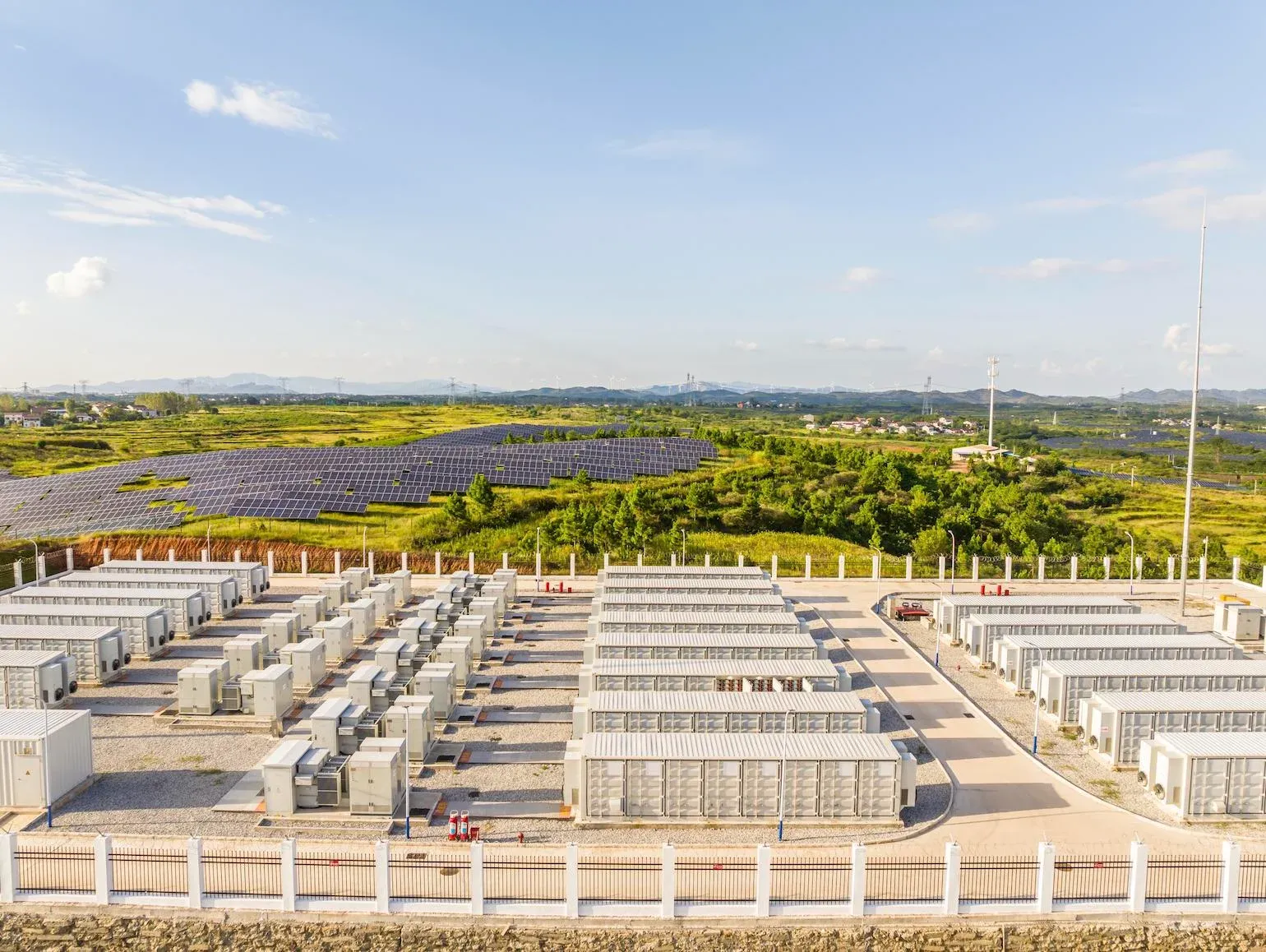
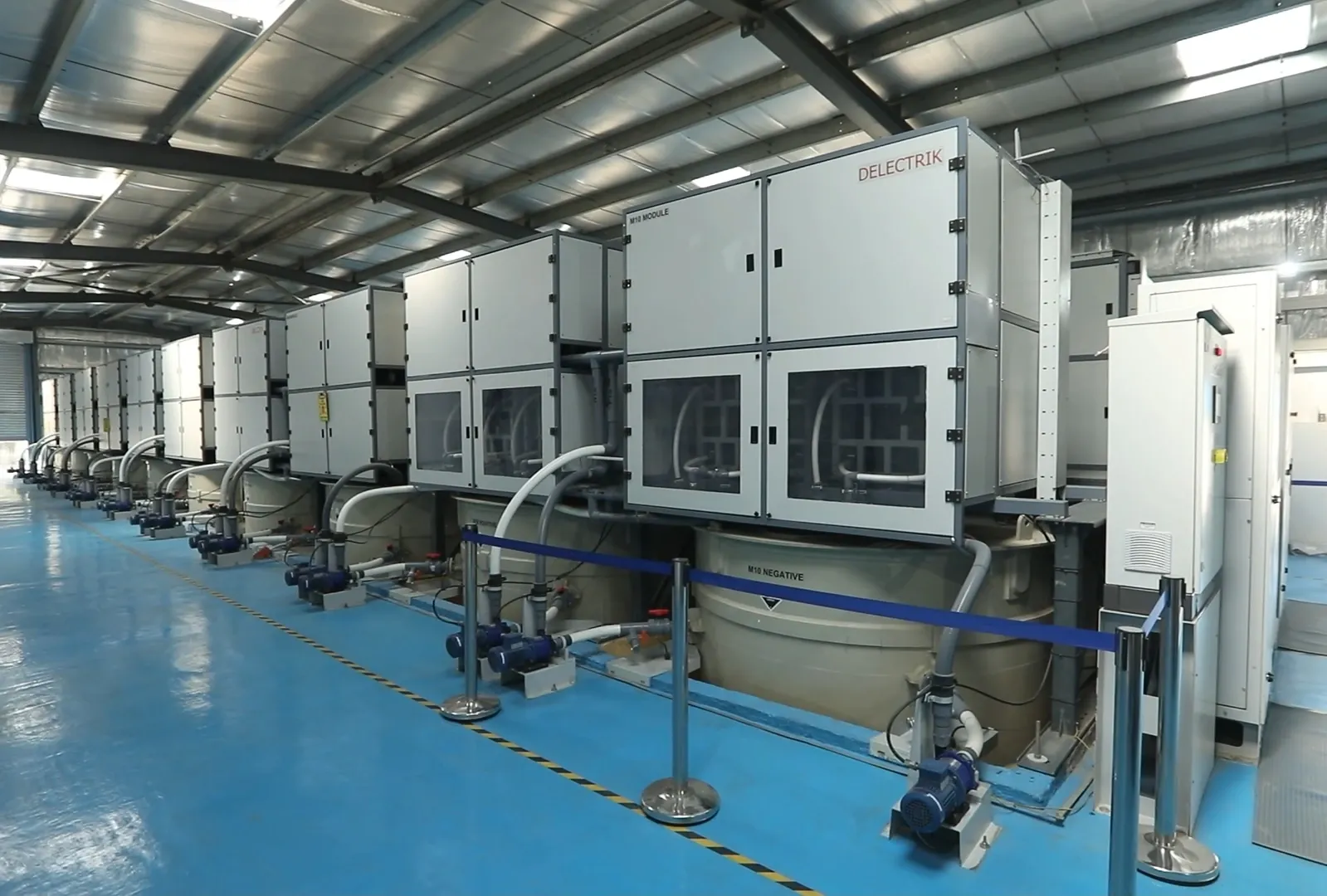
The project, awarded by a subsidiary of NTPC Limited, will utilize Delectrik's non-containerized flow battery architecture, designed specifically for large-scale commercial, industrial, and utility applications. Scheduled for deployment in 2027, the installation will be located at the Khavda Solar Park, which is projected to reach 30 GW of generation capacity by 2029. This follows Delectrik's successful 2025 deployment of a smaller 3 MWh variant at Greater Noida. To support this scale, Delectrik has established two subsidiaries, Delectrik Resources Pvt Ltd (DRPL) and Delectrik Esaas Pvt Ltd (DEPL), to pursue vertical integration. DRPL will focus on upstream Vanadium Oxide production, while DEPL aims to provide energy storage services to industrial customers and data centers.
Scaling Non-Lithium Storage at Khavda Solar Park
This deployment is strategically positioned to support NTPC’s target of reaching 149 GW of total capacity by 2032, including 60 GW of renewable energy. As the first utility-scale non-lithium Battery Energy Storage System (BESS) project in India, it addresses the critical need for safe and sustainable long-duration energy storage. Delectrik CEO Dr. Vishal Mittal noted that the project is 100% designed, engineered, and manufactured in India. Looking ahead, the company is targeting an order book of at least one GWh of flow battery capacity over the next 12 months. This expansion is intended to span multiple geographies, including Australia, ASEAN, and Africa, signaling a move toward globalizing their domestically manufactured vanadium-based technology.
Key Takeaways
- Delectrik will deploy a 100 MWh Vanadium Redox Flow Battery at the Khavda Solar Park in 2027.
- The project is awarded by NTPC Renewable Energy Limited in collaboration with Bondada Engineering Limited.
- Delectrik aims to secure a 1 GWh flow battery order book across India, Australia, ASEAN, and Africa within 12 months.
EnergyInsyte's Take
In our view, this project signals a critical diversification of India's energy storage strategy away from lithium-ion dominance. By deploying a 100 MWh non-containerized vanadium system at a massive site like Khavda, Delectrik is testing the commercial viability of long-duration storage for grid stability. The move toward vertical integration through DRPL and DEPL is particularly strategic; controlling the vanadium supply chain and offering "storage-as-a-service" could provide a significant competitive advantage in the high-growth renewable integration market.
Source: https://www.prnewswire.com/