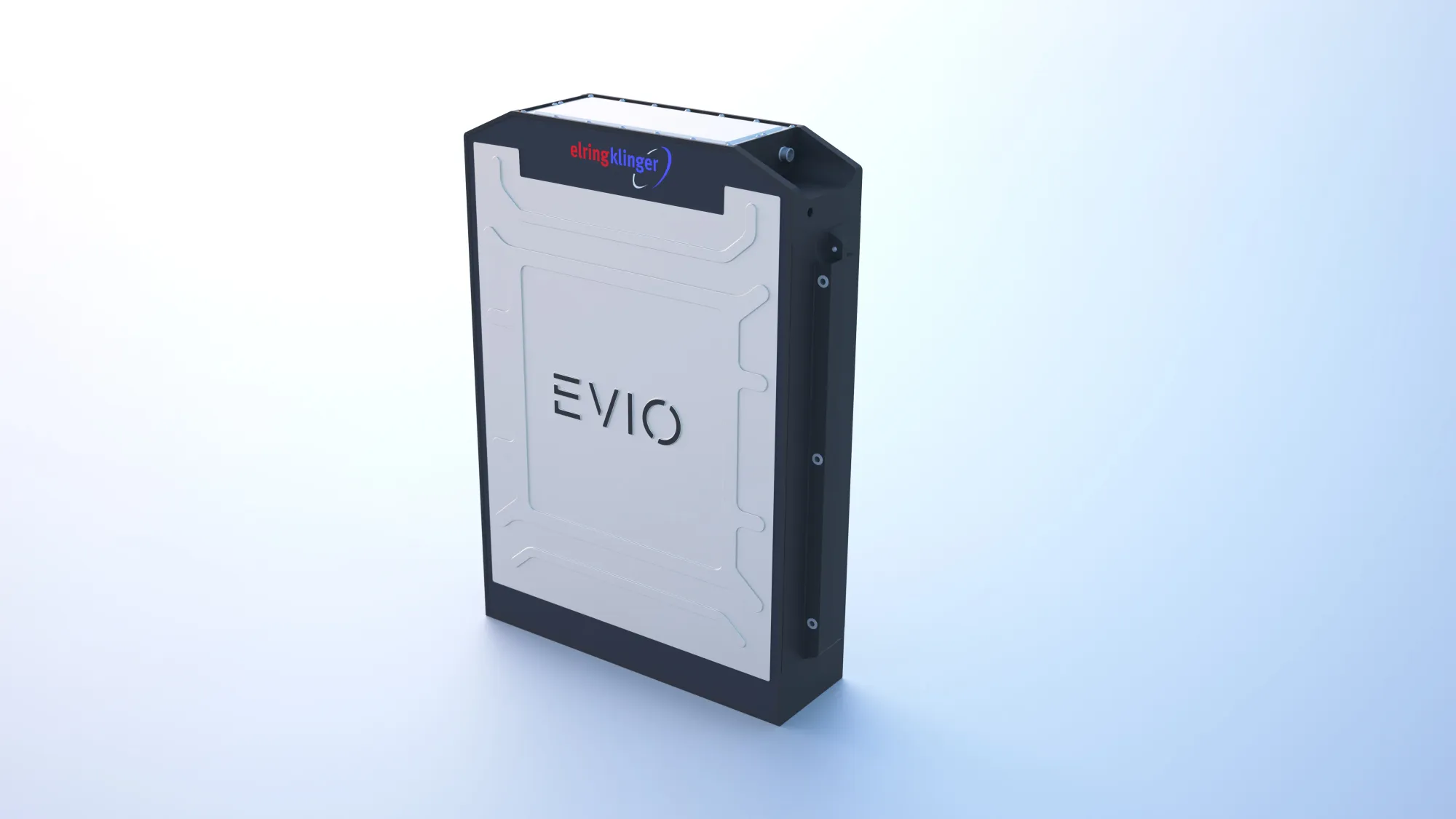
EVIO and ElringKlinger are transitioning from theoretical design to physical validation by launching the prototype build of a full-scale battery pack for the EVIO 810 Energy Storage System (ESS). This development marks a critical milestone in engineering a strong-hybrid propulsion architecture for regional aircraft. The project aims to bridge the gap between automotive-grade battery technology and the rigorous airworthiness requirements of the aerospace sector.
EVIO 810 ESS Prototype Development
The move into full-scale prototype construction follows extensive multi-physics pack engineering and detailed cell characterization. The companies are utilizing Molicel’s latest cell technology to meet the specific energy density and safety requirements of the EVIO 810. This phase includes physical multi-cell thermal runaway testing to establish a design baseline that aligns with Part 25 airworthiness specifications and current battery safety guidance. These prototypes are intended to support initial pack-level testing and validation as the program moves into its next development stage. By integrating these components, EVIO seeks to validate its proprietary strong-hybrid propulsion system, which is designed to enable all-electric operation for short missions and airport maneuvering, while utilizing conventional propulsion for longer flight durations.
Strategic Collaboration and Technical Integration
The partnership leverages ElringKlinger’s two decades of alternative powertrain R&D and decade-long experience in Energy Storage System production alongside EVIO’s expertise in aircraft design and systems integration. This collaboration is positioning ElringKlinger’s battery solutions for application beyond the automotive sector, testing the versatility of their technology in emerging mobility markets. The resulting ESS is a core component of the EVIO 810’s architecture, which the company claims can reduce fuel consumption, emissions, and noise. The 76-seat aircraft is being developed to provide mission flexibility, with the underlying technology potentially supporting defense and other demanding mission profiles. The current focus remains on the successful integration of the ESS into the aircraft's propulsion framework through rigorous testing.
Key Takeaways
- EVIO and ElringKlinger have commenced the full-scale prototype build of the EVIO 810 Energy Storage System battery pack.
- The system utilizes Molicel cell technology and is being designed to meet Part 25 airworthiness specifications.
- The EVIO 810 is a 76-seat hybrid-electric regional aircraft designed for both all-electric and hybrid propulsion modes.
EnergyInsyte's Take
In our view, this milestone highlights a significant trend: the cross-pollination of high-performance battery technology from the automotive sector into specialized aerospace applications. By utilizing ElringKlinger’s established production experience and Molicel cells, EVIO is attempting to de-risk the complex transition from automotive energy density to aviation-grade safety and reliability. If the pack-level testing successfully validates the thermal runaway protections and Part 25 compliance, it could provide a blueprint for how hybrid-electric regional aviation moves from experimental prototypes to commercially viable, certified hardware.
Questions & Answers
How does the EVIO 810 propulsion system manage different mission lengths?
The aircraft utilizes a strong-hybrid architecture that enables all-electric operation for short-range missions and airport vicinity maneuvers, while switching to a combination of electric and conventional propulsion for longer flight durations.
What specific regulatory standards is the ESS prototype targeting?
The design baseline for the EVIO 810 Energy Storage System is intended to align with applicable Part 25 airworthiness specifications and evolving battery safety guidance.
What role does ElringKlinger play in this development program?
ElringKlinger provides over 20 years of alternative powertrain R&D and more than a decade of Energy Storage System production experience to assist in defining, developing, prototyping, and testing the ESS.
Which cell technology is being integrated into the prototype packs?
The full-scale prototype packs are leveraging the latest cell technology from Molicel to achieve required energy density and safety performance.
Source: EVIO