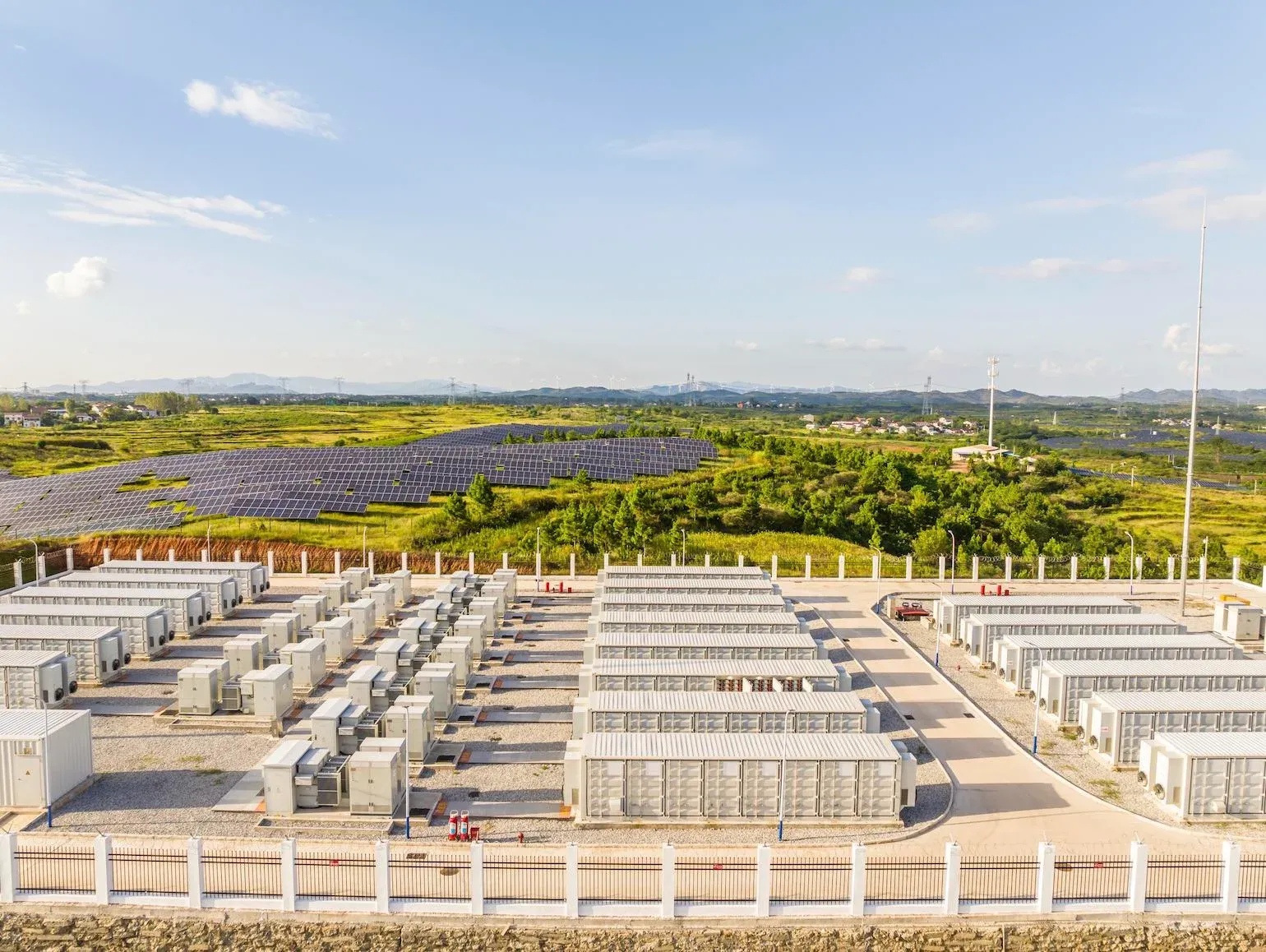
Flatiron Energy is moving to secure a dominant position in the Northeast power market by finalizing the financing required to deploy one of the world's largest urban battery energy storage systems (BESS). The company has closed approximately $850 million in construction and term financing commitments to fund the Energizar Project in Chelsea, Massachusetts. This capital injection, which includes a complex mix of debt facilities, preferred equity, and tax credit transfers, supports a 1,200 MWh asset designed to provide peaking energy resources to the Boston grid. By targeting a commercial operation date in Q4 2027, Flatiron is positioning the Energizar Project to become the largest BESS facility on the East Coast, addressing the critical need for grid stability and capacity as regional energy demands evolve.
$850 Million Financing Structure for Energizar
The $850 million financing package for the Energizar Project utilizes a multi-layered capital stack to manage the complexities of a large-scale urban deployment. The debt component consists of construction and bridge loan facilities, term loan facilities, and letter of credit facilities provided by a consortium of international and domestic lenders. Nord L/B, Santander, and Societe Generale served as the Coordinating Lead Arrangers, while Investec and East West Bank acted as Joint Lead Arrangers. Siemens Financial Services also participated as a lender. This diverse group of creditors is tasked with supporting the project through its construction phase and into long-term operations.
Beyond traditional debt, the financing incorporates sophisticated capital instruments to optimize the project's balance sheet. A global credit asset manager, overseeing more than $350 billion in assets, provided a preferred equity commitment. Furthermore, the project is leveraging the current tax landscape through a commitment from two Fortune 500 corporations to transfer a portion of the project’s Investment Tax Credits (ITCs). This structure, which includes East West Bank acting as Depositary and Santander as Administrative Agent, reflects the increasing complexity of financing utility-scale storage in high-density environments. The project's scale and location necessitate this robust financial framework to mitigate the risks associated with large-scale urban infrastructure development.
Scaling Urban Grid Reliability in Massachusetts
The Energizar Project is being positioned as a vital component of the ISO New England market, specifically designed to bolster the reliability and resilience of the Boston-area power system. As the state of Massachusetts pursues specific clean energy goals, the 1,200 MWh facility is intended to provide the necessary capacity to manage load fluctuations and integrate variable energy resources. The project's location in Chelsea makes it a significant urban BESS installation, a category that presents unique logistical and technical challenges compared to rural deployments.
By providing peaking energy resources, the project aims to serve local communities that rely on the Boston grid for stability. The successful closing of this financing suggests that institutional lenders see significant value in urban storage assets that can respond to immediate grid needs. The involvement of major financial institutions like Santander and Societe Generale highlights the growing institutional appetite for assets that facilitate the integration of energy resources across the United States. As the project moves toward its Q4 2027 commercial operation date, it will serve as a benchmark for how large-scale storage can be integrated into densely populated, high-demand electricity markets to ensure continuous service and grid stability.
Key Takeaways
- Flatiron Energy closed approximately $850 million in financing for the 1,200 MWh Energizar Project in Chelsea, Massachusetts.
- Upon reaching commercial operations in Q4 2027, the facility is expected to be the largest BESS facility on the East Coast.
- The financing includes a preferred equity commitment from a global credit asset manager with over $350 billion in assets under management and ITC transfers from two Fortune 500 corporations.
EnergyInsyte's Take
In our view, the Energizar Project represents a significant shift in how large-scale energy storage is being financed and deployed in high-density corridors. The use of a highly diversified $850 million capital stack—combining traditional bank debt, preferred equity, and corporate tax credit transfers—demonstrates that the financial industry is developing the sophisticated tools necessary to fund complex urban infrastructure. This is not merely a storage project; it is a strategic play for grid dominance in the ISO New England market. By securing such a massive capacity (1,200 MWh) in an urban setting, Flatiron is testing the scalability of BESS in environments where land and interconnection are at a premium. The successful mobilization of both global banks and Fortune 500 tax credit purchasers signals that the market is maturing, moving from experimental pilot projects to heavy-duty, utility-scale capital deployment.
Questions & Answers
How does the Energizar Project's financing structure mitigate development risk?
The project utilizes a multi-layered approach, combining construction and bridge loans to cover the initial build phase with term loans for long-term stability. By incorporating preferred equity from a major global credit asset manager and securing ITC transfers from Fortune 500 companies, Flatiron is diversifying its capital sources and leveraging tax incentives to optimize the overall cost of capital.
What is the strategic significance of the project's location in Chelsea, Massachusetts?
The Chelsea location allows the 1,200 MWh asset to function as a major urban BESS facility, providing peaking energy resources directly to the Boston grid. This proximity to high-demand centers is intended to enhance local grid reliability and support the integration of renewable resources within the ISO New England market.
When is the Energizar Project expected to contribute to the regional power supply?
Flatiron Energy expects the Energizar Project to reach commercial operations in the fourth quarter (Q4) of 2027, at which point it is projected to be the largest BESS facility on the East Coast.
Which financial institutions are leading the debt arrangements for this project?
The debt financing is led by a consortium of banks, with Nord L/B, Santander, and Societe Generale serving as the Coordinating Lead Arrangers. Investec and East West Bank are serving as Joint Lead Arrangers, with Siemens Financial Services also acting as a lender.
Source: Flatiron