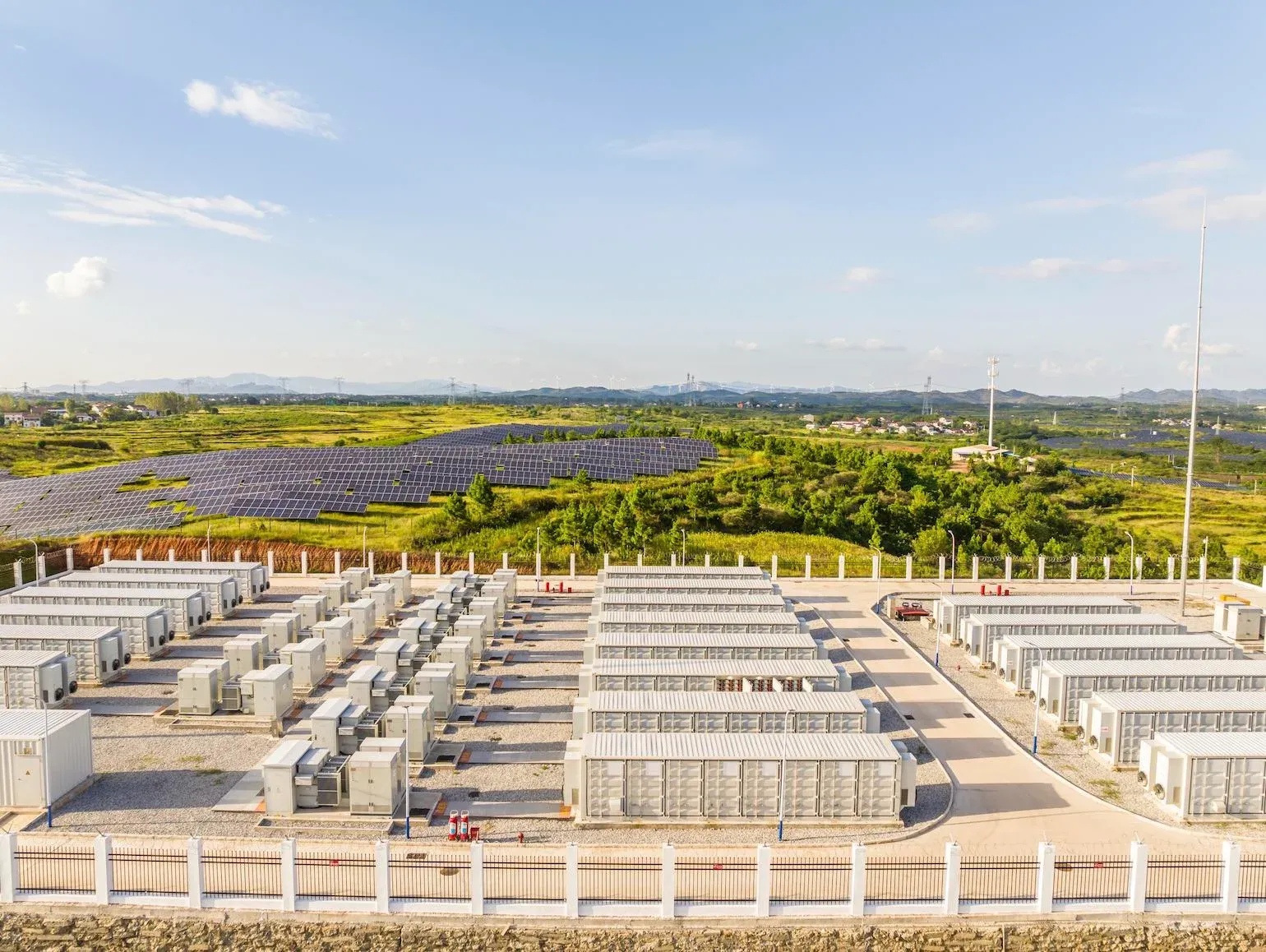
Flatiron Energy is expanding its footprint in the New York energy market by securing contracts for two large-scale lithium-ion battery storage projects. The New York State Energy Research and Development Authority (NYSERDA) selected the Blue Spruce Storage and Palladium Storage projects as part of its inaugural Bulk Energy Storage solicitation. These Bronx-based assets are positioned to bolster New York City’s grid reliability and assist the state in meeting its broader decarbonization and capacity targets. The selection highlights a strategic push to integrate significant storage capacity into high-demand urban environments.
NYSERDA Bulk Energy Storage Selection
The NYSERDA solicitation identified eight lithium-ion bulk energy storage projects, which are expected to contribute approximately 950 MW of new capacity to the New York electric grid upon full operation. Flatiron Energy’s two projects, Blue Spruce Storage and Palladium Storage, are part of this competitive group. According to NYSERDA, this inaugural solicitation is estimated to generate more than $1.6 billion in private investment and create over 500 short- and long-term jobs. Flatiron is positioning these Bronx-sited assets to support grid reliability during peak demand periods, which the company claims can help reduce reliance on fossil-fueled peaking units and potentially lower electricity costs for local residents. The projects are planned to be operational before the end of 2030, contingent upon securing all necessary permits, local approvals, and meeting rigorous safety requirements.
Strengthening New York Grid Resiliency
These developments align with New York State’s long-term objective to deploy 6 GW of energy storage capacity by 2030. By siting these projects in the Bronx, Flatiron aims to provide critical capacity to the New York City electricity network during periods of high load. To address urban safety concerns, NYSERDA stated that all supported storage projects must adhere to rigorous fire safety standards. These requirements include comprehensive emergency response plans, safe siting protocols, and specialized training for first responders. This regulatory framework is designed to manage the risks associated with large-scale lithium-ion deployment in densely populated areas. As the state works toward its 2030 capacity goals, the successful execution of these projects will serve as a benchmark for how bulk energy storage can be integrated into complex, existing urban infrastructure while maintaining strict safety and reliability standards.
Key Takeaways
- Flatiron Energy's Blue Spruce Storage and Palladium Storage projects were selected in NYSERDA's first Bulk Energy Storage solicitation.
- The eight selected projects are expected to add approximately 950 MW of new lithium-ion energy storage capacity to the New York grid.
- NYSERDA estimates the solicitation will drive over $1.6 billion in private investment and create more than 500 jobs.
EnergyInsyte's Take
In our view, Flatiron Energy’s success in this inaugural solicitation underscores the critical importance of urban-sited storage in meeting aggressive state-level capacity mandates. By securing two of only eight selected projects, Flatiron is effectively betting on the necessity of localized, high-density storage to replace traditional fossil-fueled peaking units in New York City. However, the ultimate success of these Bronx assets depends heavily on navigating the complex intersection of local permitting and the state's "rigorous" fire safety mandates. If Flatiron can successfully execute these projects within the 2030 timeframe, it will provide a scalable blueprint for deploying large-scale lithium-ion infrastructure in high-stakes, densely populated metropolitan markets.
Questions & Answers
How much total capacity will the NYSERDA solicitation add to the grid?
The eight selected projects, including Flatiron's two assets, are expected to add approximately 950 MW of new energy storage capacity to the New York electric grid once they are fully operational.
What are the primary safety requirements for these battery projects?
All NYSERDA-supported storage projects must comply with rigorous fire safety standards, which include safe siting, comprehensive emergency response plans, and specialized training for first responders.
What is the strategic timeline for the Blue Spruce and Palladium projects?
Flatiron Energy plans to have both the Blue Spruce Storage and Palladium Storage projects operational before the end of 2030, subject to local approvals, required permits, and safety requirements.
How does this project fit into New York's broader energy goals?
The projects support New York State's larger objective to deploy 6 GW of energy storage capacity by the year 2030 to improve grid resiliency and meet growing power needs.
Source: Flatiron Energy