Energy Vault Holdings, Inc. has entered into a strategic commercial agreement to supply 1.25 gigawatts (GW) of integrated power infrastructure specifically designed for hyperscaler AI data centers. This initial deployment, backed by a hyperscaler customer contract in Texas, utilizes a combination of battery energy storage systems (BESS), grid-forming power conversion systems, and AI infrastructure control software. By partnering with a leading national turnkey power generation EPC contractor, the collaboration aims to bypass traditional utility interconnection delays. This move signals a significant shift toward integrated, modular power platforms that provide "always-on" availability for high-performance computing environments.
1.25 GW Texas Deployment and Revenue Projections
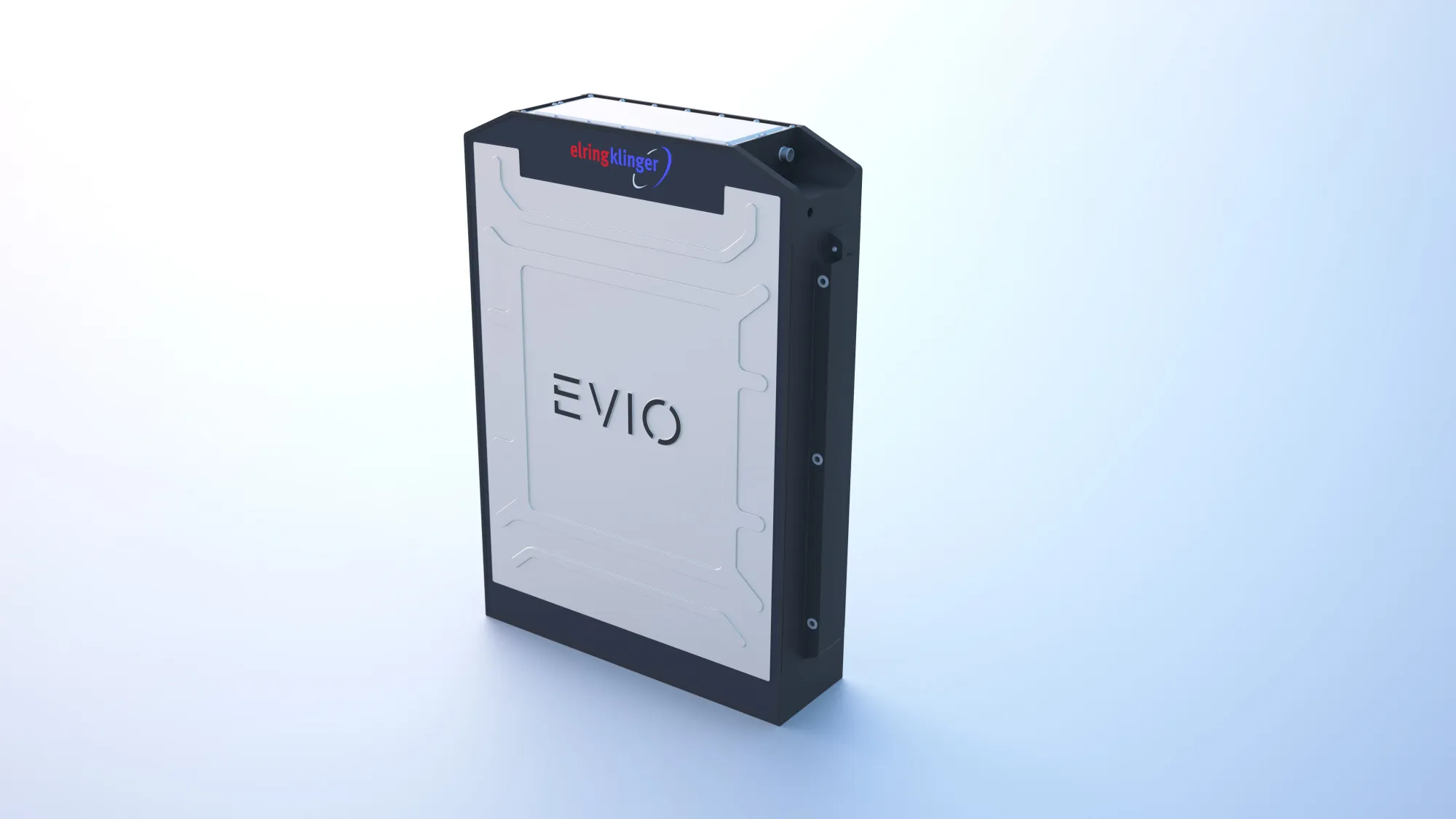
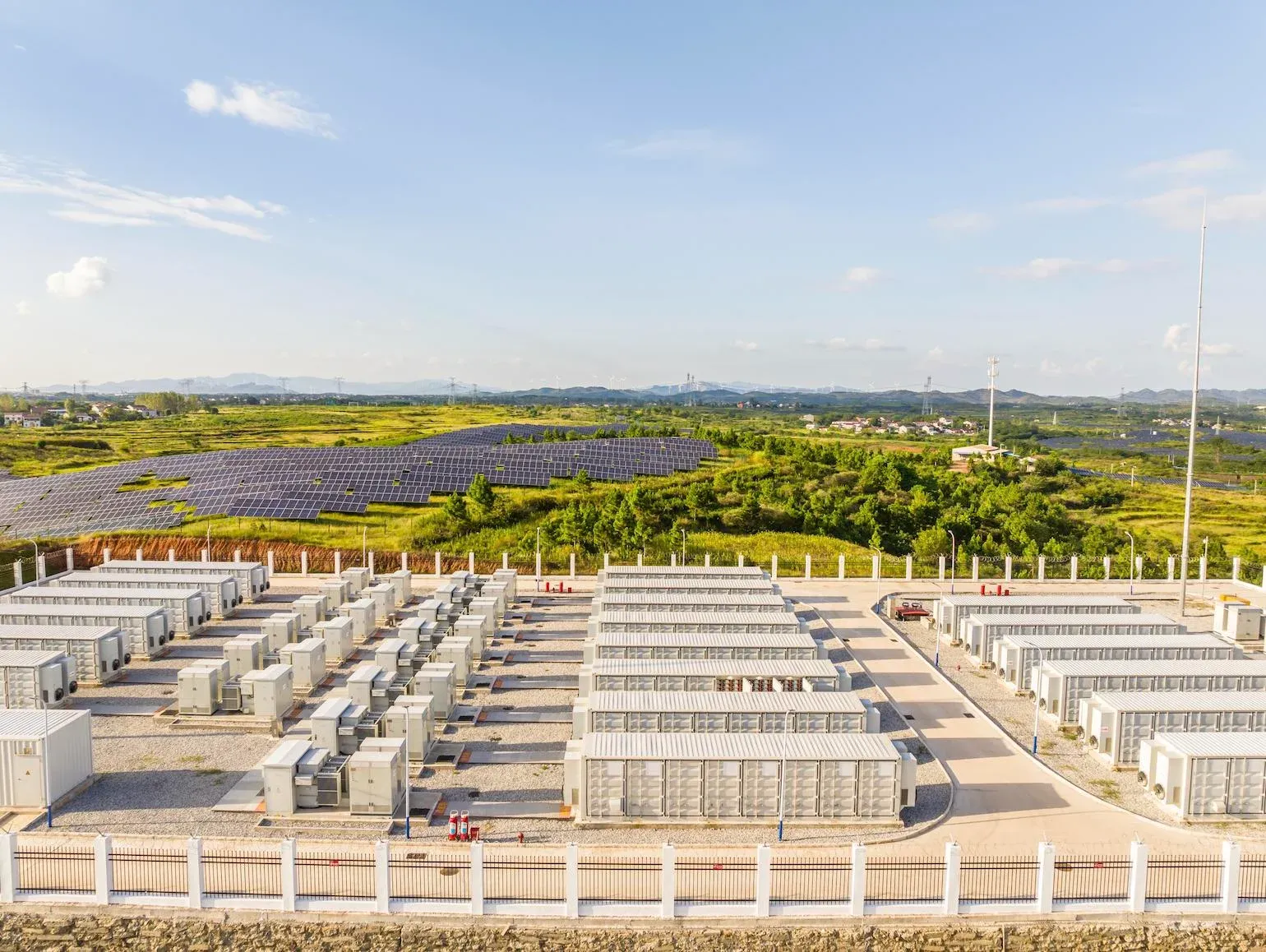
The agreement establishes a repeatable "speed-to-power" deployment platform intended to address the urgent energy needs of hyperscale AI campuses. Energy Vault will provide FEOC-compliant BESS, grid-forming power conversion systems, and advanced AI infrastructure control software. These components will be integrated with the partner's turnkey EPC capabilities and Caterpillar gensets to create a fully integrated, off-grid power system. This architecture is designed to bring AI compute capacity online significantly faster than traditional utility interconnection schedules allow.
The initial 1.25 GW deployment in Texas is expected to begin within the next four to twelve months. This timeline is critical for developers facing constrained grid capacity and extended utility timelines. From a financial perspective, Energy Vault expects this agreement to have a significant impact on its top line. The company anticipates a revenue impact of approximately $500 million to $600 million during the second half of 2026 and throughout 2027. Detailed discussions regarding these financial expectations are scheduled for the upcoming earnings call on August 11, 2026. This contract represents Energy Vault's largest single contract executed to date, marking its evolution from a storage technology provider into a comprehensive integrated energy infrastructure provider capable of managing complex, large-scale power requirements for the global AI expansion.
Integrated Architecture for High-Performance Computing
As AI computing loads expand, the demand for stable, high-quality power increases. GPU clusters create rapid fluctuations in power demand, requiring precise management of voltage, frequency, and power quality. The Energy Vault solution addresses these challenges through a modular architecture that orchestrates generation, battery storage, and electrical infrastructure as a single intelligent power plant. Rather than operating individual assets independently, the platform uses AI infrastructure control software as a mission-critical operating system. This software dynamically balances power flows, maintains stability, and minimizes generator cycling to improve fuel efficiency.
The partnership leverages the EPC contractor's expertise in natural gas reciprocating engines, gas turbines, diesel generation, solar PV, and hydrogen technologies. This allows for a hybrid approach where customers can deploy infrastructure ahead of permanent grid interconnection. The system provides the flexibility to eventually integrate utility power or renewable energy as campus requirements evolve. By providing a reference architecture for digital control and active load optimization, the platform is positioned to serve hyperscalers, neocloud providers, and other AI infrastructure entities in markets where electricity demand is outstripping grid supply. This integrated approach moves away from procuring individual technologies toward a unified, scalable power platform.
Key Takeaways
- Energy Vault will deploy 1.25 GW of integrated power infrastructure for a hyperscaler customer in Texas.
- The company projects a revenue impact of $500 million to $600 million in 2H 2026 and 2027.
- The solution uses a modular, off-grid architecture to bypass traditional utility interconnection timelines.
EnergyInsyte's Take
In our view, this agreement marks a pivotal transition for Energy Vault from a component manufacturer to a full-scale infrastructure orchestrator. By integrating BESS and software with established Caterpillar-powered generation, they are directly attacking the primary bottleneck in the AI revolution: the "speed-to-power" gap. The ability to deploy 1.25 GW of capacity in Texas without waiting for utility interconnection is a massive competitive advantage for hyperscalers facing years of grid delays. This signals that the market is moving away from fragmented energy procurement toward "all-in-one" power plants. For investors and developers, the $500-$600 million revenue projection underscores the massive scale of the behind-the-meter opportunity. This is no longer just about energy storage; it is about providing the immediate, reliable, and intelligent electrical backbone required to sustain the global AI compute surge.
Questions & Answers
How does this deployment address the primary bottleneck for AI data center expansion?
The deployment utilizes a modular, off-grid power architecture that allows AI compute capacity to come online significantly faster than traditional utility interconnection schedules. By using integrated generation and BESS, developers can bypass the extended timelines typically required to connect to the central grid.
What is the financial significance of this agreement for Energy Vault?
This is Energy Vault's largest single contract to date. The company expects the agreement to generate a revenue impact of approximately $500 million to $600 million across the second half of 2026 and 2027, representing a major step in its commercial scaling.
How does the integrated software manage the specific electrical demands of AI workloads?
The AI infrastructure control software acts as a mission-critical operating system that orchestrates generation, storage, and power conversion in real time. It manages the rapid transient loads, voltage, and frequency requirements caused by fluctuating GPU clusters, ensuring stability and optimizing fuel efficiency.
What technologies are included in the integrated power platform?
The platform combines Energy Vault's FEOC-compliant BESS, grid-forming power conversion systems, and AI control software with the partner's turnkey EPC capabilities and Caterpillar gensets, covering various generation types including natural gas, diesel, and solar.
Source: BUSINESSWIRE